
Many landmark moments in rock history have resulted from artists updating the blues in some way. In the 1960s, young English musicians were discovering and collecting recordings of American blues musicians like Robert Johnson, Muddy Waters, Willie Dixon, and others. They formed bands and unwittingly helped bring the blues to mainstream audiences. However, 1967 proved to be an especially pivotal year in the evolution of blues, as you’ll hear in the songs below.
Let’s begin with an American guitarist who first found major success in England.
Videos by American Songwriter
“Purple Haze” by The Jimi Hendrix Experience
Some artists are so transformative that they seem to create their own genre. “Purple Haze” became so ubiquitous that the primary chord in the song is now referred to as the Hendrix chord (E7#9). Meanwhile, the guitar solo features another signature part of his sound, the Roger Mayer-designed Octavia. The effect adds an octave above the performed note, mixed with fuzz. “Purple Haze” remains as standard as any blues riff. And speaking of purple, it’s hard to imagine what Prince would have sounded like without Hendrix.
“Sunshine Of Your Love” by Cream
Following a Jimi Hendrix performance in London, Cream bassist Jack Bruce wrote the riff to “Sunshine Of Your Love”. Hendrix may have inspired the iconic riff, but it helped define Cream during a brief but groundbreaking chapter in Eric Clapton’s career. Though Clapton was a central figure in the 1960s British blues revival, his supergroup instead reimagined the genre. Clapton, Bruce, and drummer Ginger Baker blended rock, jazz, and blues. The new sound was heavy, psychedelic, and used the improvisational approach of jazz, proving to be both experimental and commercially viable.
“Dazed And Confused” by Jake Holmes
When New York singer and songwriter Jake Holmes wrote “Dazed And Confused”, he couldn’t have predicted how his song would change the course of rock history. One month after releasing it as a single, Holmes opened for The Yardbirds at the Village Theater in New York. “Dazed And Confused” impressed Yardbirds drummer Jim McCarty, who purchased the album and introduced the track to the rest of the band. Soon, The Yardbirds, with Jimmy Page on guitar, added a version of Holmes’s tune to their live set.
As the arrangement evolved and The Yardbirds disbanded, it eventually landed on Led Zeppelin’s self-titled debut in 1969. But Page was given the sole writing credit. After decades of seeking credit for his song, Holmes finally reached an out-of-court settlement with Page in 2011. Still, the folk dirge that Holmes released in 1967 helped transform the blues and forever altered the course of rock music.
Photo by Evening Standard/Getty Images
More The List
-

Madonna, who had one of the biggest hit songs of 1985 -
Temptations 050 MichaelOchsArchives.com -
Bruce Springsteen -
Photo by Larry Hulst/Michael Ochs Archives/Getty Images -
DENMARK – MARCH 02: Photo of LED ZEPPELIN; Robert Plant – Led Zeppelin, March 2, 1973 in Copenhagen, Denmark (Photo by Jorgen Angel/Redferns) -
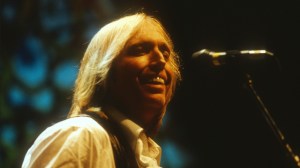
IRVINE, CA – AUGUST 14: Tom Petty and The Heartbreakers in concert at Irvine Meadows Amphitheater on August 14, 1989 in Irvine, California. (Photo by Jeffrey Mayer/WireImage) -
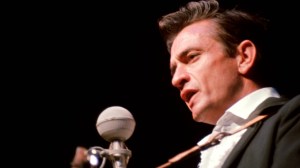
UNITED STATES – JULY 24: Photo of Johnny CASH; Johnny Cash performing on stage, (Photo by Gai Terrell/Redferns)