Your cart is currently empty!


5 Beatles Songs That Owe a Debt to Folk Music
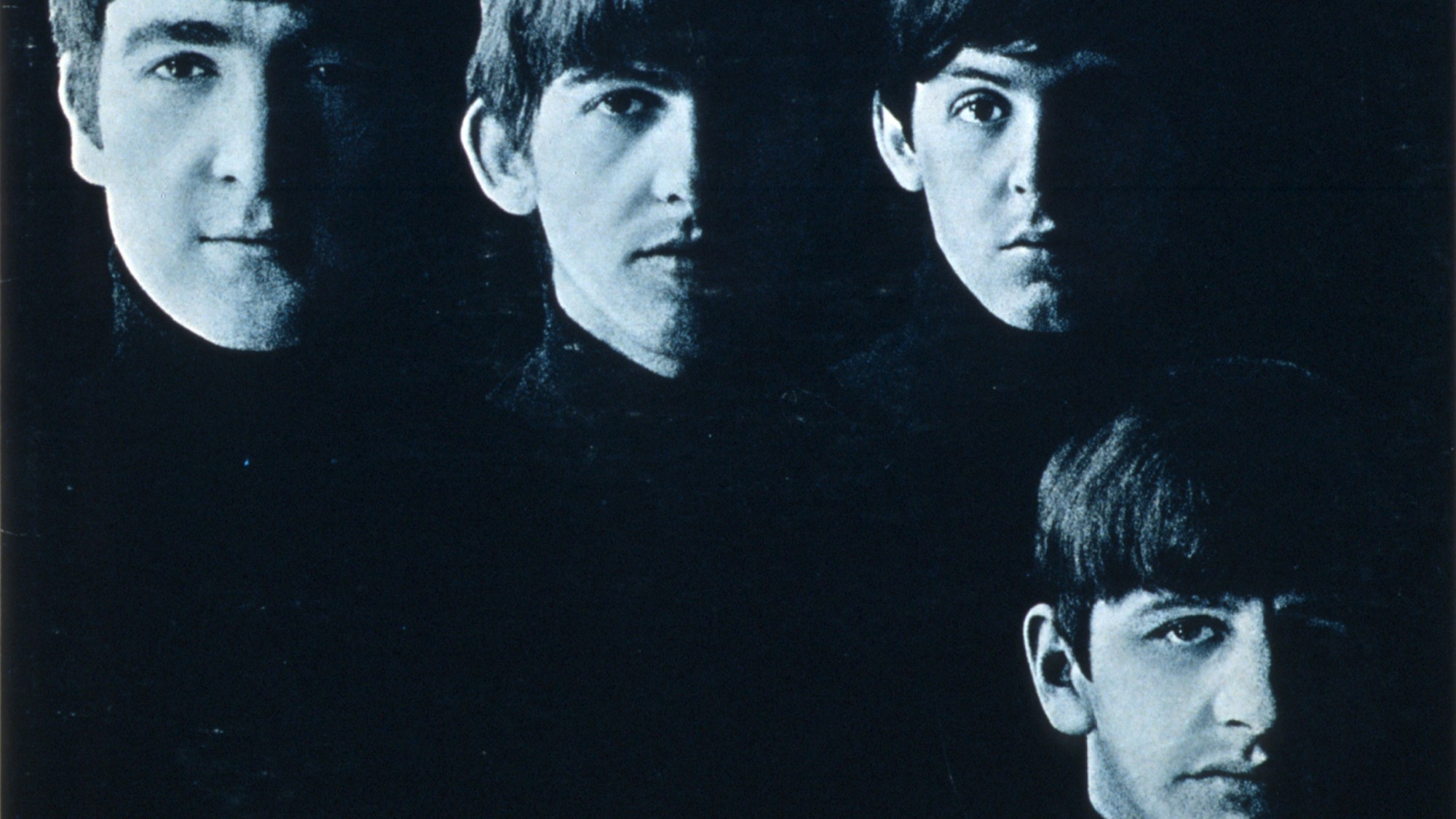
The Beatles proved time and again that they were musical omnivores. By that we mean that they weren’t afraid to borrow from any musical style, confident they could imbibe its essence and come out the other side with something special.
Videos by American Songwriter
It’s not shocking then that The Beatles occasionally incorporated elements of folk music into their own special musical stew. Here are five occasions when they did just that and, as usual, triumphed.
“I’m a Loser” from Beatles for Sale (1964)
Perhaps it’s not all that surprising that the Fab Four’s first overt foray into a folky approach came on Beatles for Sale. It was an album that was hustled out at the end of 1964 to keep new product in the pipeline. As a result, the band trotted out some cover songs (which they hadn’t done on A Hard Day’s Night earlier in ’64). And they got slightly experimental with their original songs, at least compared to what had come before. “I’m a Loser,” John Lennon’s woeful lament, took a confessional approach that was very much in keeping with the folk tradition.
“You’ve Got to Hide Your Love Away” from Help! (1965)
The Beatles knew a lot about many different forms of music, even at a young age. That’s why they could effortlessly incorporate touches of classical music (“Yesterday”) or music hall (“When I’m Sixty-Four”). But with folk music, they didn’t seem to know much about the more antiquated forms. (Or at least it didn’t affect their music if they did.) But they did know Bob Dylan’s music well, and many of their early folk-influenced songs come from the Dylan playbook. That includes “You’ve Got to Hide Your Love Away,” a melancholy paean to romantic self-preservation sung by John Lennon over sauntering acoustic guitar.
“Revolution 1” from The White Album (1968)
One type of folk music The Beatles took a while to try out was the topical, protest-style song. They didn’t like the idea of courting controversy or possibly alienating a portion of their audience that might not have agreed with their take. John Lennon kept persisting to address what was going on around them, however, especially as the ’60s progressed and hot-button issues affecting young people kept appearing. With “Revolution 1,” Lennon delivered a nuanced look at the positives and negatives in going all-in on a cause. Despite the song’s sagacity, The Beatles still vetoed it as a single, even after Lennon sped up the tempo and added gritty guitars.
“Julia” from The White Album (1968)
In some cases, it was the type of music that accompanied a Beatles song more than the subject matter that hinted at folk traditions. “Julia” was John Lennon’s surreal homage to his deceased mother. With its ornate imagery, she came off sounding more like some sort of sea nymph than a living, breathing person. But the beauty of the melody makes those lyrics work. Lennon was taught a finger-picking guitar style by British pop star Donovan that focused on looping arpeggios. He uses that style on “Julia” to mesmerizing effect.
“Blackbird” from The White Album (1968)
Perhaps no Beatles song has ever frequented campfire singalongs as much as “Blackbird,” and that’s a pretty good indicator of its folk music credibility. It clicks off all the boxes. First, there’s Paul McCartney’s gorgeous melody, which actually has hints of classical music lingering at its margins. Then you have the lyrics, which McCartney wrote with the civil rights movement in mind. To his credit, he didn’t spell out the issues. Instead, he utilized the metaphor of a bird wishing to gain its freedom to make the song’s touching point.
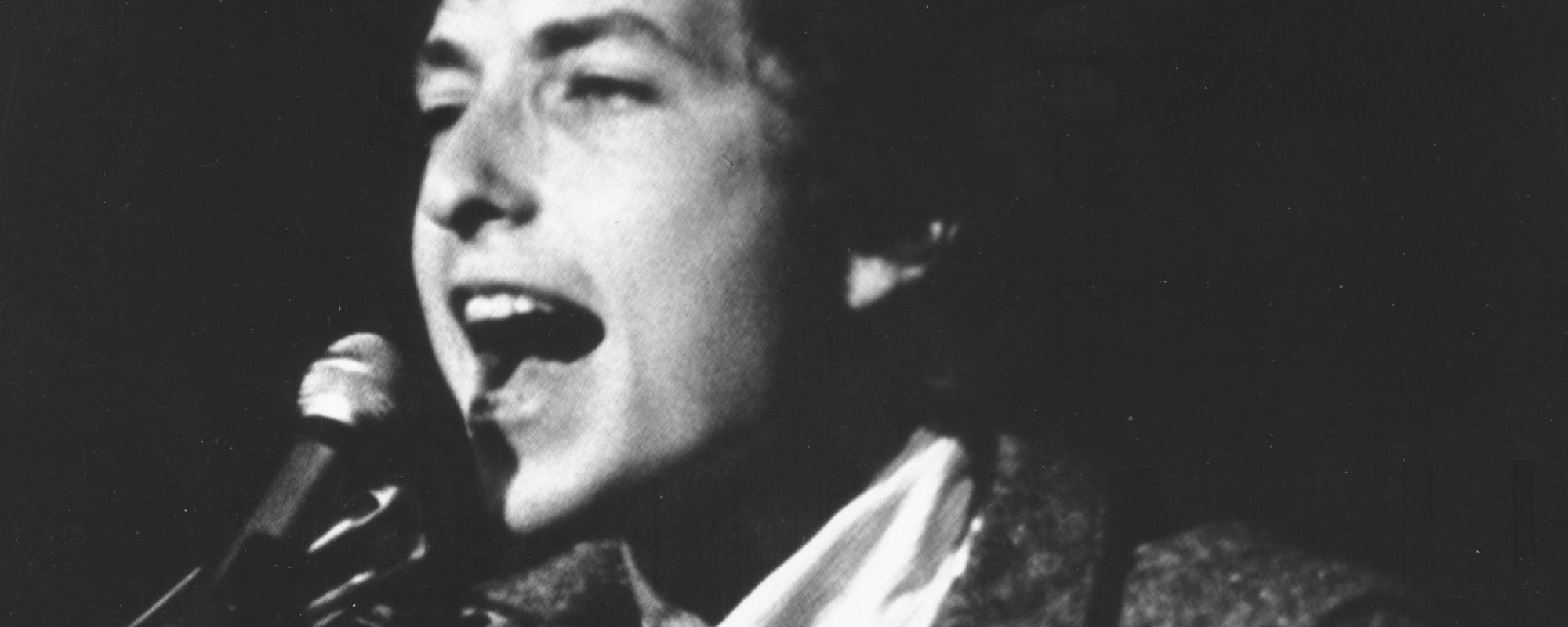
Photo by Michael Ochs Archives/Getty Images



Leave a Reply
Only members can comment. Become a member. Already a member? Log in.