Your cart is currently empty!


5 Things You Might Not Know About the Making of ‘Led Zeppelin IV’
Led Zeppelin didn’t really bother to name their fourth album, leaving only some indecipherable symbols behind to confuse fans. They must have known that they had the goods in terms of the music, so why put a label on it?
Videos by American Songwriter
Released in 1971, the fourth Led Zeppelin album ranks among the most hallowed in rock history. While the songs are well-known, the minutiae that went into their making aren’t quite common knowledge. Allow us to clue you in on how the sausage was made on this masterpiece.
Dreaming of Joni
On this album, Led Zeppelin managed to combine the hard rock thunder of their first two records with some of the acoustic excursions from Led Zeppelin III. Gentle folk music certainly came to the fore on “Going To California”. Early versions of the song referred to the earthquakes that occasionally bedeviled the West Coast. But Robert Plant became enamored with the music of Joni Mitchell around that same time. Hence, the lines about a guitar-playing girl who enthralls the narrator with the “aching in my heart.”
Little Richard’s Influence
Led Zeppelin had a few songs in their pocket when they arrived at Headley Grange, the English estate where they recorded much of the LP. But happy accidents that led to classic songs also characterized the sessions. For example, while the band was sitting around one day, instruments in hand, waiting for inspiration, John Bonham kicked into the drum intro from the Little Richard song “Keep A-Knockin’”. That transformed into a crashing riff all its own. The rest of the band joined in on a jam that would become the soaring “Rock And Roll”.
Puppy Love
Out in the middle of nowhere best describes the location of Headley Grange. That helped keep the members of Led Zep out of too much trouble while they made the record. They simply concentrated on the music, which included a song that sprang from a John Paul Jones bass riff and included Robert Plant singing a cappella between blasts of music. Always wry with their titles, the band named the song after a canine who roamed the estate. This “Black Dog” would always show up for scraps when the band ate dinner.
Plant’s Partner
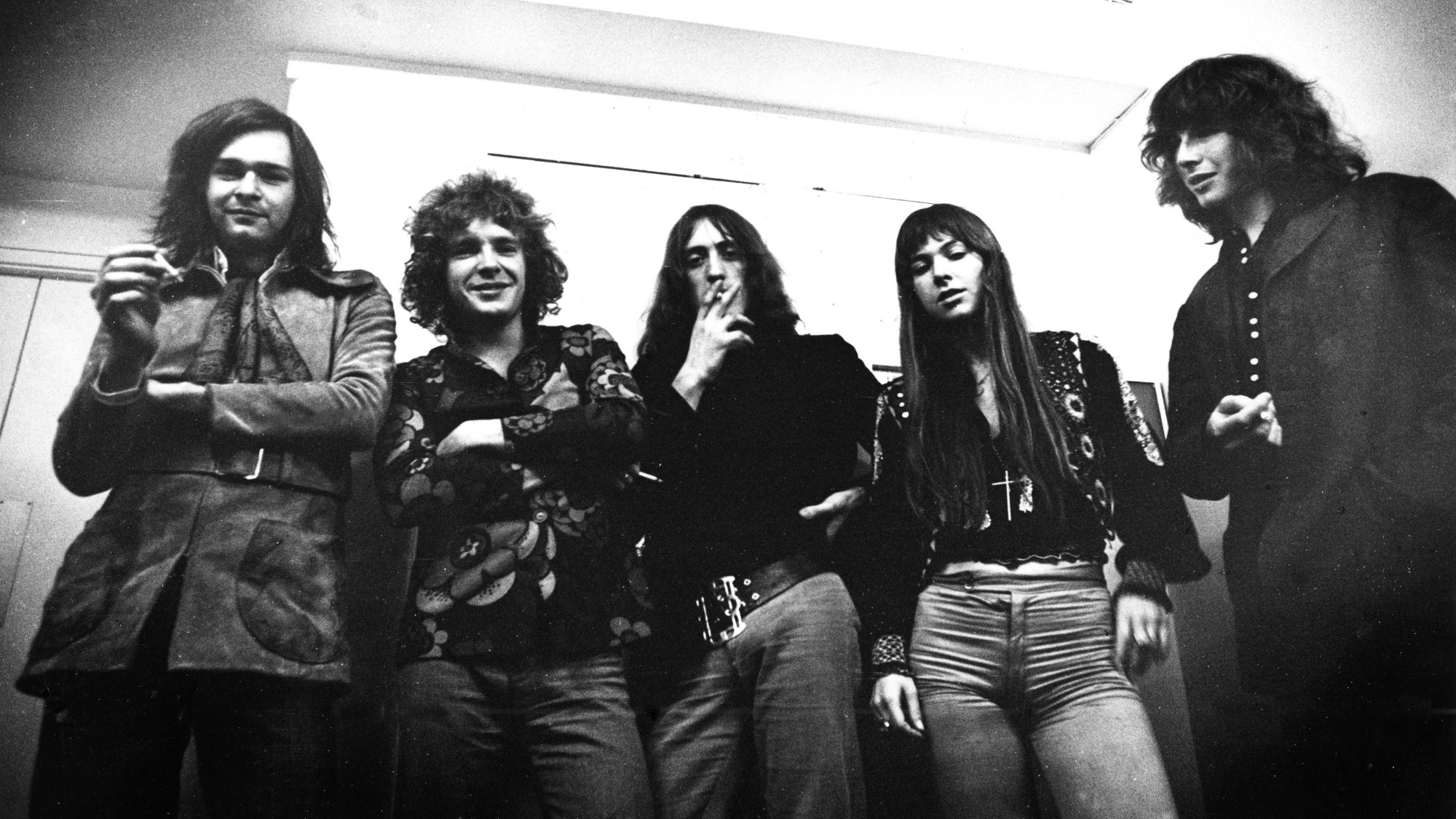
The music for “The Battle For Evermore” emerged from Jimmy Page fiddling about on a mandolin, an instrument that was new to him. Meanwhile, the lyrics emanated from some history books that Robert Plant had been reading. Plant sensed that he needed another vocalist to answer him on the song. But who could possibly be up to the challenge of hanging with Plant’s high-arcing vocals? The answer was Sandy Denny, known for her brilliant work with the British folk rock group Fairport Convention.
Lobby Rock
Considering all the brilliance that had preceded it, a suitably monumental closer was needed to finish off Led Zeppelin IV. “When The Levee Breaks” didn’t look like it was going to get to that point. The band had tried recording their interpretation of the 1920s blues song a couple of times without much success. Things changed dramatically when John Bonham’s drums were placed in the lobby of Headley Grange with microphones dangling overhead. That produced the cavernous sound that set the song in motion.
Photo by Ilpo Musto/Shutterstock


Leave a Reply
Only members can comment. Become a member. Already a member? Log in.