Your cart is currently empty!



Born on This Day in 1928, the Innovative Tennessee Three Guitarist Who Shaped Johnny Cash’s Iconic Sound
On this day (January 8) in 1928, Luther Perkins was born in Como, Mississippi. He was an innovative guitarist who helped shape what would come to be known as rockabilly. Additionally, he was an original member of Johnny Cash’s backing band, the Tennessee Two. Later, they added a drummer and became the Tennessee Three. Perkins’ guitar style became the backbone of Cash’s signature sound.
Videos by American Songwriter
Perkins didn’t start his career as a musician. Instead, he was a mechanic who specialized in automotive electrical systems and radio repairs. However, he and his coworkers, Marshall Grant and Red Kernodle, began bringing their guitars to work and playing together when business at the repair shop was slow, according to Stories of American Roots Music.
Perkins, Kernodle, and Grant met Cash shortly after he finished his time in the military and returned to the United States from Germany. Soon, the four musicians were regularly gathering to pick and sing. After establishing their musical chemistry, they formed a band.
While four guitar players in a room jamming is fun, it wouldn’t lead to a solid band. As a result, Grant picked up a bass guitar, Kernodle switched to steel guitar, and Perkins bought a used Fender Esquire. The previous owner had modified the guitar, bypassing the volume and tone controls. As a result, the guitar played as if the volume and tone knobs were cranked to 10. This forced Perkins to get creative.
Luther Perkins and the Boom-Chicka-Boom Style
The so-called “boom-chicka-boom” guitar style is the cornerstone of Johnny Cash’s sound. The percussive rhythm style eliminated the need for a drummer. Then, when the band added a drummer, the percussive style added depth to their sound.
Luther Perkins didn’t set out to conjure a signature sound, though. Instead, he muted the three lowest strings on the guitar to avoid competing with other instruments for sonic space. This bit of innovation was the beginning of Cash’s signature sound. In his early recordings, Perkins scratched out a rhythm with his palm-muted picking patterns. Later, he refined the sound, adding syncopation and other small flourishes.
Luther Perkins proved that a musician doesn’t have to be flashy or play complicated lines to make a major impact on the world.
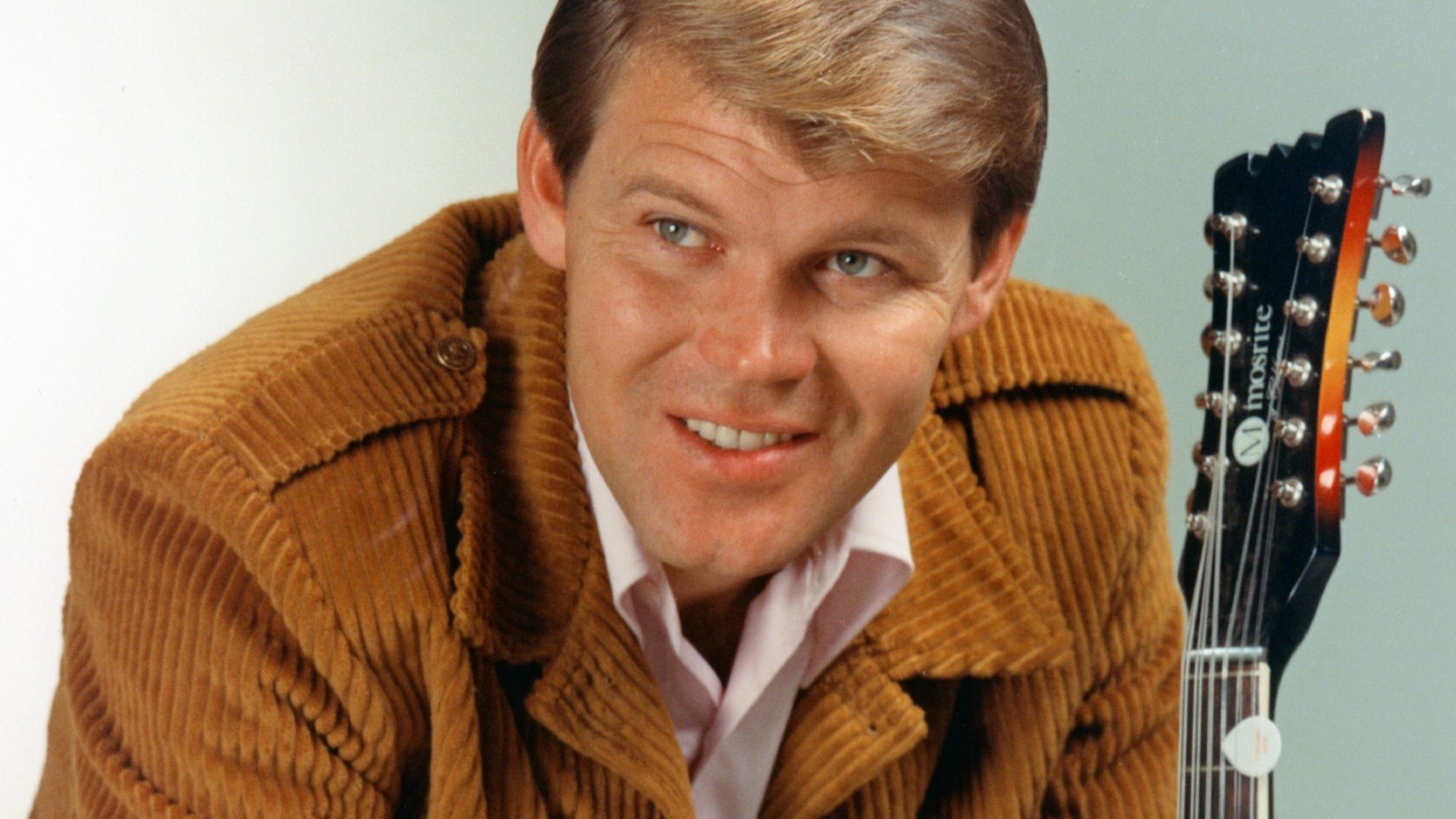
Featured Image by Don Paulsen/Michael Ochs Archives/Getty Images




Leave a Reply
Only members can comment. Become a member. Already a member? Log in.