Your cart is currently empty!


The 1970s Bands That Helped Form Sex Pistols (and Not in a Good Way), According to Former Frontman Johnny Rotten
If one thing is true of rock ‘n’ roll, it’s that each iteration, subcategory, and stylistic camp believes they’ve tapped into the true essence of the genre more than any of their counterparts. Punk is certainly no exception. Neither is one of its pioneering figures, John Lydon, formerly known as Johnny Rotten, frontman of The Sex Pistols.
Videos by American Songwriter
In a 1992 interview with Q Magazine, Lydon reflected on the impact his short-lived 1970s band made on rock music. Despite the magnitude with which The Sex Pistols are revered today, Lydon said he and his leather-clad bandmates didn’t set out to make something extraordinary. “What we were doing wasn’t important,” Lydon told Q.
“We didn’t know what we were doing,” he continued. “We did not begin this with a political agenda. Whatever Malcolm [McLaren, band manager] or anyone else might say. But there was some point to it all, which was that all of us were very bored and frustrated.”
How These 1970s Bands Led to the Formation of The Sex Pistols
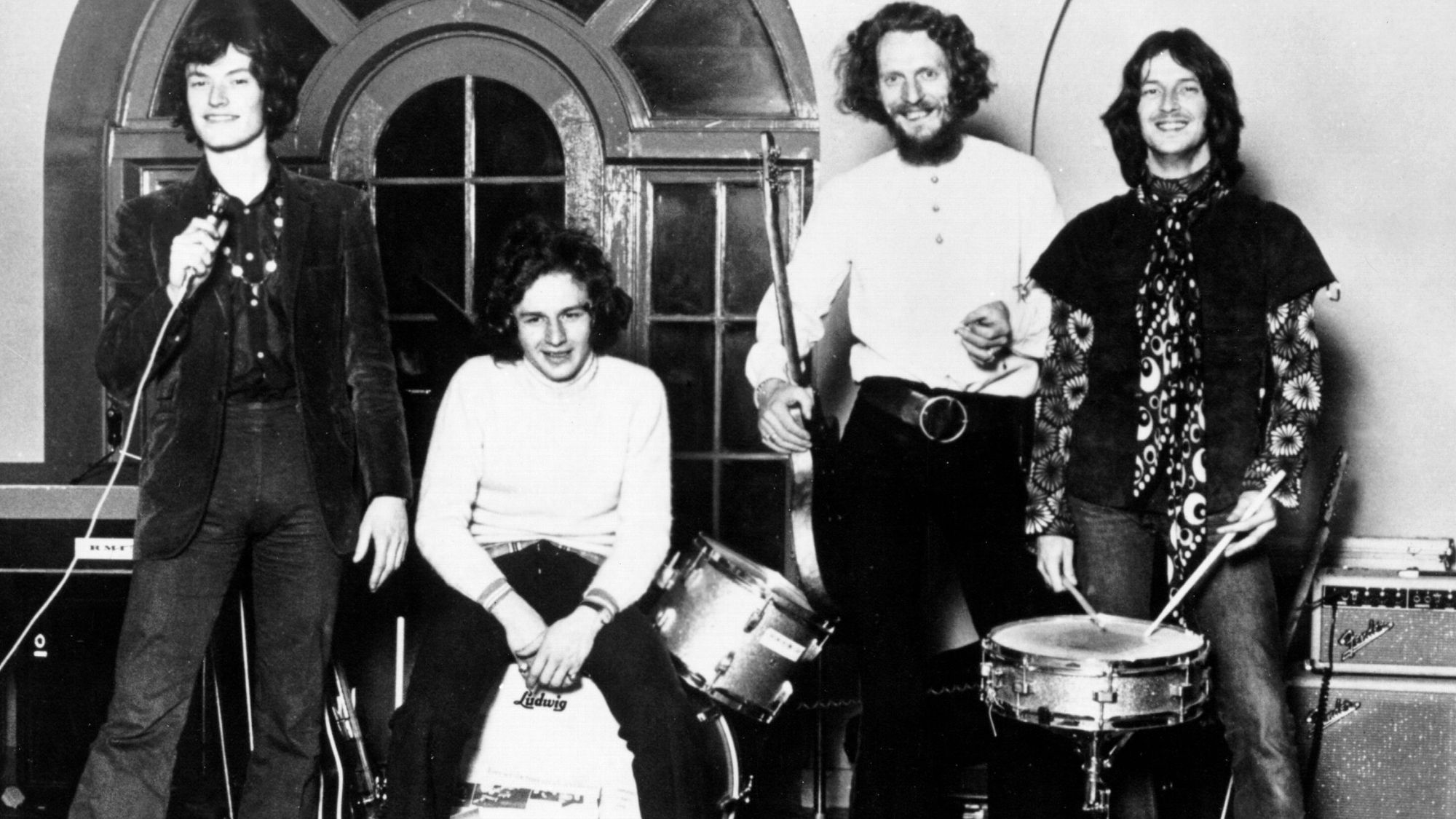
“Boredom” and “frustration” are the cornerstones of any young generation’s experience. Indeed, the only thing that changes is the emotion-causing variables. For John Lydon and his bandmates, most of their grievances had to do with “everything in music at that time.” Speaking to Q, the musician said, “All you had was Yes and bloody Emerson, Lake, and bloody Palmer. It really did look at that time like the end of rock ‘n’ roll, if you want to call it that. Rock ‘n’ roll did become flappy, flared trouser stuff and posturing and ridiculousness. There was no honesty to it anymore.”
The Sex Pistols one studio album, Never Mind the Bollocks, Here’s the Sex Pistols, was the English punk rockers’ attempt to push back against progressive rock. The Pistols were an abrasive, eyebrow-raising bunch that seemed to hate each other as much as they hated the music that was dominating the mainstream at the time.
“The Pistols was a crash course in what can go brilliantly right and horribly wrong with a band,” Lydon said in a 1999 interview with The Times. “It was an incredibly volatile two years. You can come out of that a shattered human being or damn wise to the ways of the world.”
“We didn’t set out to be seen as some great, culturally significant force,” he continued. “If we had an aim, it was to force our own, working-class opinions into the mainstream, which was unheard of in pop music at the time.” For whatever it’s worth, Lydon’s disillusion seemed to continue even after The Pistols disbanded. “I don’t recognize half of what punk apparently became,” he told The Times. Much like what people said about his music in the late 70s.
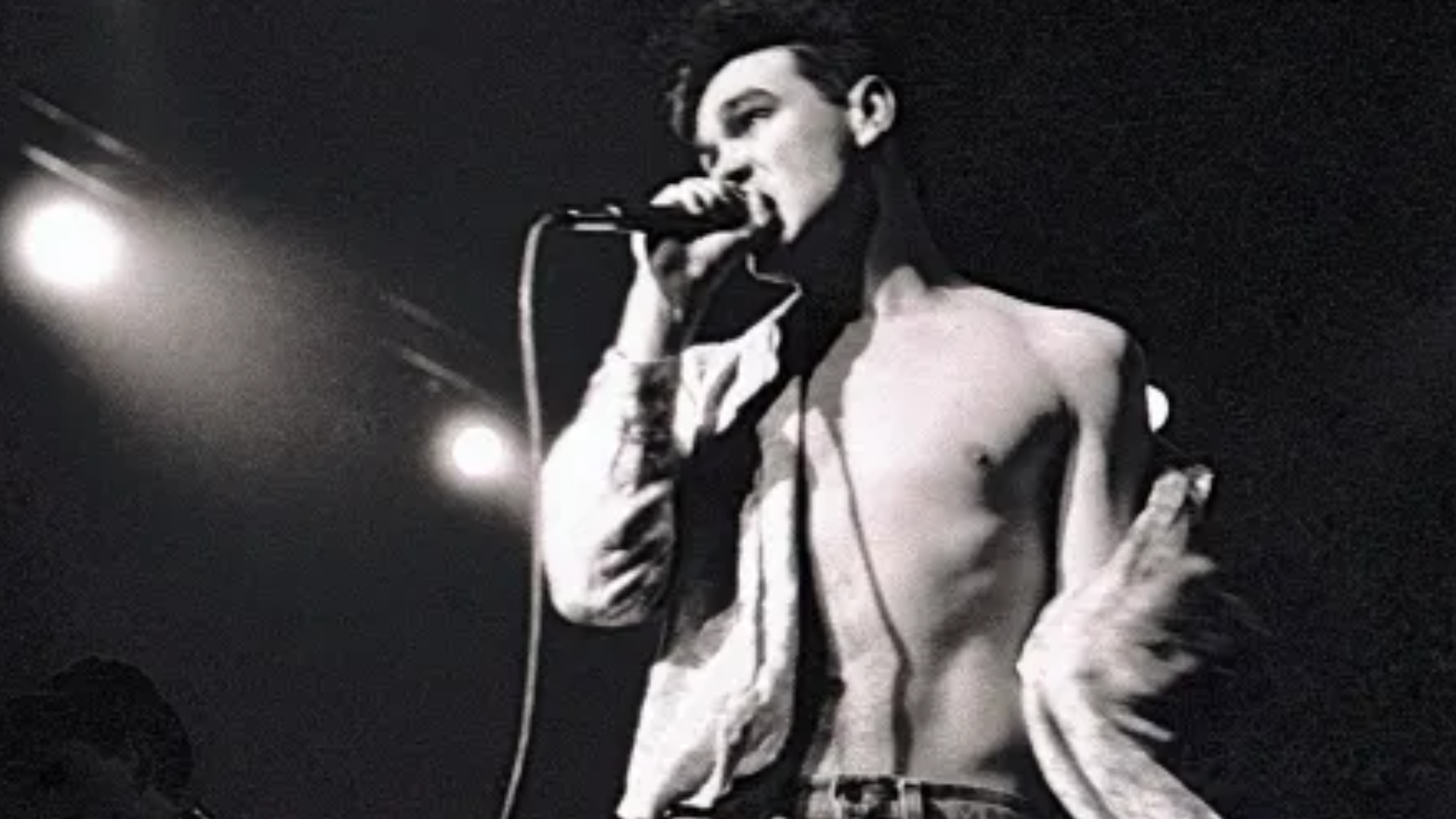
Photo by Michael Ochs Archives/Getty Images
Leave a Reply
Only members can comment. Become a member. Already a member? Log in.