Your cart is currently empty!


5 Little-Known Tidbits About the Making of The Band’s Self-Titled Masterpiece
Almost instantly, folks who heard The Band’s self-titled second album in 1969 realized that it was something special. Time has only increased the so-called Brown Album’s reputation as one of the finest LPs about the history and people of America.
Videos by American Songwriter
Most rock fans know the music of this masterpiece very well. But do you know the trivia behind the making of the album, including these five fascinating tidbits?
Don’t Wake the Baby
Many people know that “The Night They Drove Old Dixie Down” was Robbie Robertson’s attempt to shed new light on the emotional stress brought on Southern citizens after the end of the Civil War. But Robertson’s technique for writing the song doesn’t get discussed as much. He started writing the song not long after his wife gave birth to his first daughter. As a result, he was playing the piano quietly, creeping from chord to chord. After all, he didn’t want to wake the baby. You can hear that delicacy in the finished product.
LA Bound
The Band and Bob Dylan’s exploits in upstate New York have become legendary. Back in 1967, the musicians got together in a pink house to record a set of demos that became rock music’s most famous bootleg. But by late 1968, The Band had started to weary of the winter weather. They hightailed it to Los Angeles, where they rented out a bungalow once owned by Sammy Davis Jr. That’s where they recorded most of the Brown Album. On “Jawbone”, they achieved the echo on Richard Manuel’s vocals by having him sing in the bathroom of the residence’s pool house/studio.
Woodstock’s Wonder
As mentioned above, The Band didn’t stick around the Woodstock era to record the album. But the location still played a role in the music on the LP. When Robbie Robertson first started writing the material that would be used in the record, he was still in Woodstock, and it was harvest time in the area. Noticing the changes in the surrounding land started him on the way to writing “King Harvest (Has Surely Come)”. That song, which turned into an insightful look at the farming profession, took pride of place as the closing song on The Band.
You Play This, I’ll Play That
The Band conjured their musical magic thanks to many years of playing together before they ever found fame. During that time, each of the members showed an ability to play multiple instruments. That helped immensely when it came to “Rag Mama Rag”. They were just about to chuck the song because they didn’t think the recording was going anywhere. That’s when they switched it up. Richard Manuel played drums, Levon Helm moved to mandolin, and Rick Danko took over on fiddle. One of the album’s most memorable tracks emerged as a result.
For Richard
On The Band’s first album, Music From Big Pink, the songwriting chores were divided more evenly. That changed on the second album, as Robbie Robertson dominated the credits. Richard Manuel’s lack of songwriting output contributed to the shift. But that doesn’t mean his feelings weren’t expressed. He wrote the plaintive music to “Whispering Pines”. Unable to come up with the words, he allowed Robertson to take over. Robertson responded with a stunning set of lyrics that were attuned to Manuel’s innate loneliness.
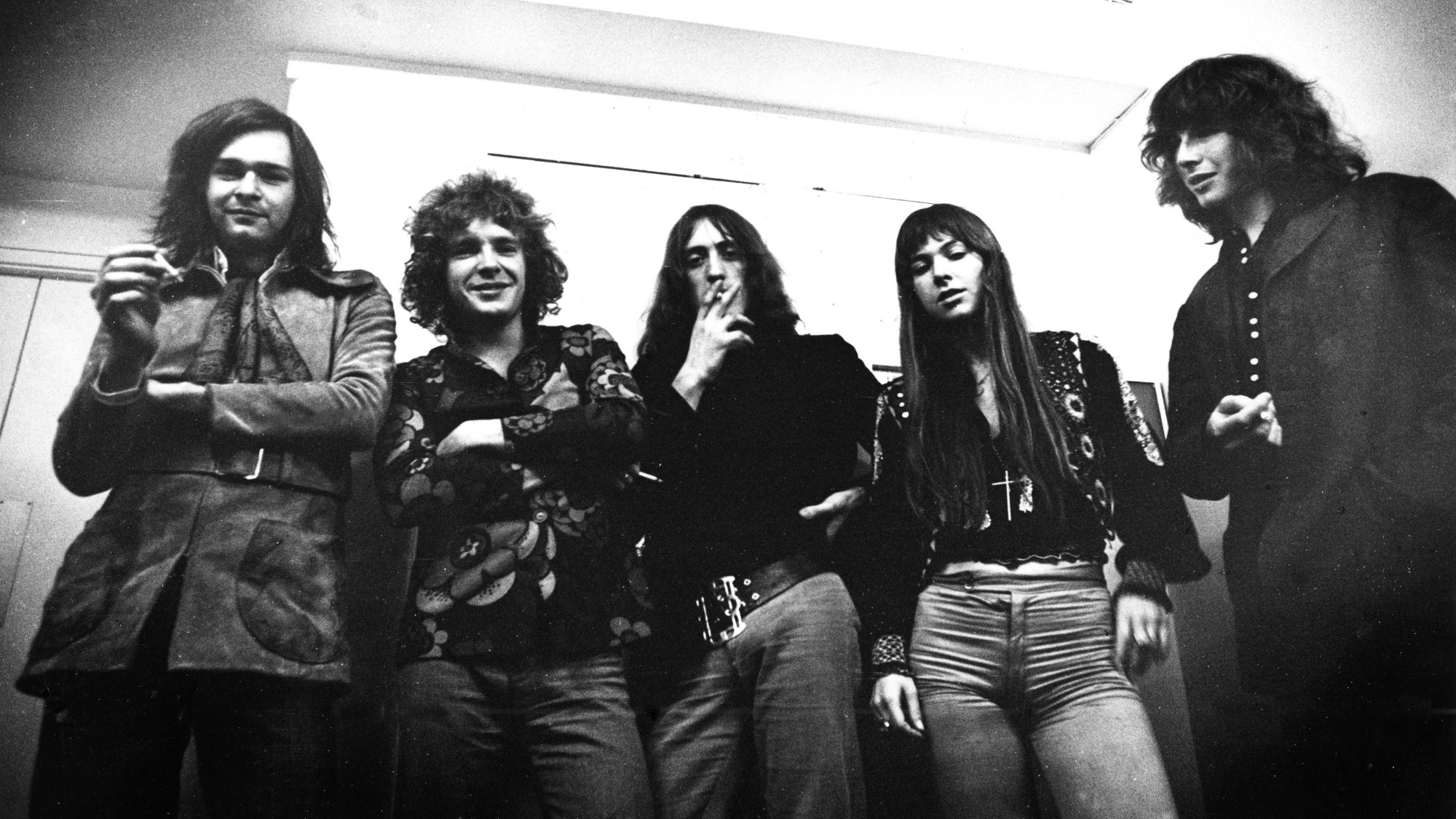
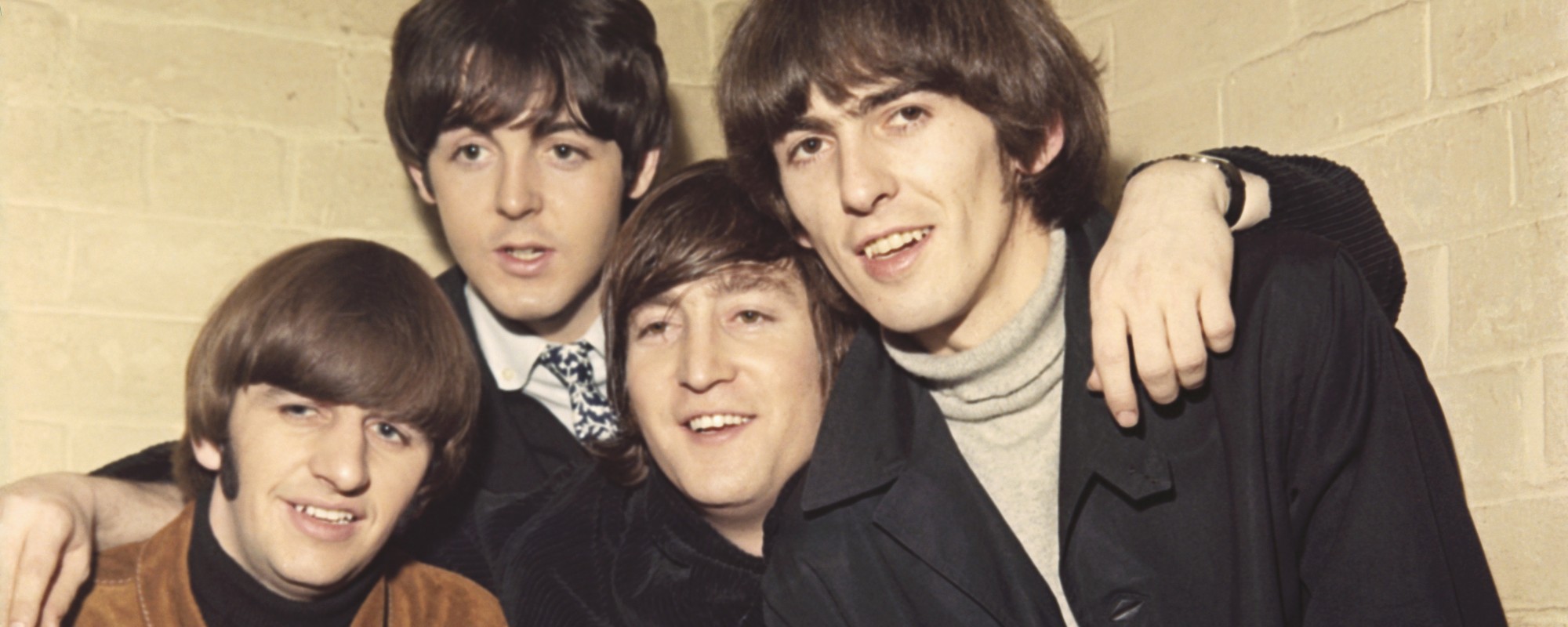
Photo by Michael Ochs Archives/Getty Images

Leave a Reply
Only members can comment. Become a member. Already a member? Log in.