Your cart is currently empty!



Born on This Day in 1945, the Man Who Wrote One of the Most Played Songs in Country Radio History
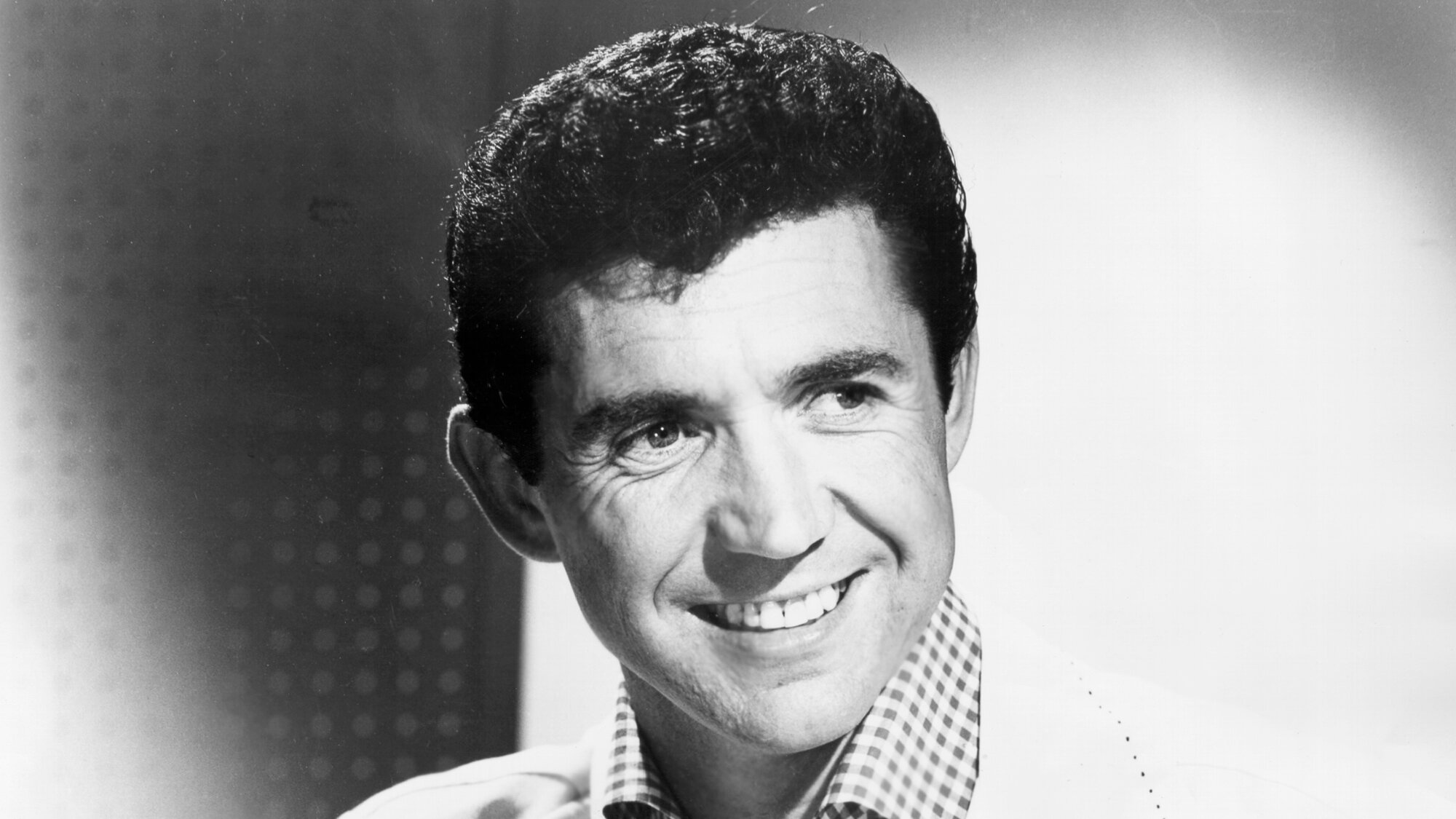
Michael Martin Murphey doesn’t just sing about the cowboy way—he lives it. In addition to releasing hit singles like “Wildfire” and “Carolina in the Pines”, Murphey has long championed western conservation efforts and the rights of indigenous people. As he celebrates his 81st birthday today (March 14), we are taking a look at the life and career highlights of Michael Martin Murphey.
Videos by American Songwriter
Born March 14, 1945, in the Oak Cliff neighborhood of Dallas, Texas, Murphey spent his childhood riding horses on his grandfather and uncle’s ranches. This no doubt sparked his love for cowboy songs and stories, along with his love for the literary works of Mark Twain and William Faulkner, and the music of Hank Williams, Bob Wills, and Woody Guthrie.
Before he had even earned his high school diploma, Murphey was making the rounds in the Dallas clubs, playing his unique mix of country, folk, and rock music. After graduation, he briefly studied Greek at North Texas State University (now the University of North Texas) before moving to California. In addition to majoring in medieval history and literature at UCLA, Murphey signed a contract with Sparrow Records and went to work leaving his mark on the Los Angeles folk scene.
Michael Martin Murphey Wrote Songs for the Monkees, Kenny Rogers, and More
After finding success writing for the Monkees, Bobbie Gentry, Flatt and Scruggs, and Kenny Rogers and the First Edition, Murphey grew tired of the California scene and returned to his home state. There, he helped pioneer the progressive country genre, bridging the gap between “hippies and rednecks.” (He’d later do the same with his activism.)
[RELATED: 5 Country Songs by The Monkees]
However, as disco began to overtake the scene, Murphey needed a hit to keep his career afloat. He suggested a song called “Wildfire”, which he’d written years earlier. Over producer Bob Johnston’s hesitance, Murphey recorded the song and released it as the lead single from his seminal album Blue Sky – Night Thunder.
Quickly, “Wildfire” became one of the most-played songs in the history of radio, peaking at No. 3 on the all-genre Hot 100. “I can’t tell you that I understand what the song means, but I think it’s about getting above the hard times,” Murphey said. “I’ve had people tell me they wish they could ride that mystical horse and get away from their hard times, whatever they are.”
Featured image by Gary Miller/Getty Images for Shock Ink



Leave a Reply
Only members can comment. Become a member. Already a member? Log in.