Your cart is currently empty!



61 Years Ago, Roger Miller Was at No. 1 Thanks to a Timeless Tune With an Uncertain Origin Story (Later Covered by George Jones)
On this day (April 20) in 1965, Roger Miller was at the top of the country chart with “King of the Road.” The tale of a hobo who is happy to sacrifice a life of luxury for freedom was an international crossover hit. It also brought Miller five Grammy Awards. However, the song’s origins are steeped in mystery. Over the years, multiple stories about how the song came about have surfaced. A few of them were told by Miller.
Videos by American Songwriter
“King of the Road” was Miller’s second single to reach the top of the country chart, where it stayed for five consecutive weeks. It also reached No. 4 on the Hot 100 and topped the Adult Contemporary chart. The song also topped charts in the United Kingdom and Norway.
This was more than just a massive chart hit. It also won five Grammy Awards. “King of the Road” was named Best Contemporary Vocal Performance, Best Rock and Roll Single, Best Country & Western Recording, Best Country Vocal Performance, and Best Country Song.
Household singers such as George Jones and Randy Travis are among a laundry list of country music mainstays to cover “King of the Road” over the years.
What Inspired Roger Miller to Write King of the Road?
The broad strokes of Roger Miller’s inspiration to write “King of the Road” are certain. There was a sign that read “Trailers for sale or rent” and a statue of a hobo. The details, though, are murky.
According to Songfacts, one story goes that Miller saw the sign near Chicago, Illinois, while on a TV tour of the Midwest. Weeks later, he found a statue of a hobo in the gift shop of the airport in Boise, Idaho. He reportedly stared at the statuette until he finished writing the song. This version of the origin puts the total writing time at six weeks.
Another story states that Miller was in Indiana when he saw the sign. In this retelling, he found the hobo statue in a cigar shop in Canada, near where he was staying while playing in Kitchener, Ontario. He took the hobo statuette back to his hotel room and finished writing the song.
Miller told both of those stories at different times. A widespread theory further obscures the truth surrounding the song’s origins. Some believe that Miller saw the sign in Nashville, Tennessee. More specifically, the theory states that he saw the sign at Dunn’s Trailer Court. Miller lived there when he first moved to Nashville. Interestingly, Willie Nelson, Hank Cochran, and many other aspiring country singers and songwriters lived in the storied trailer park.
No matter where Roger Miller was when inspiration struck, the result was a song that never gets old.
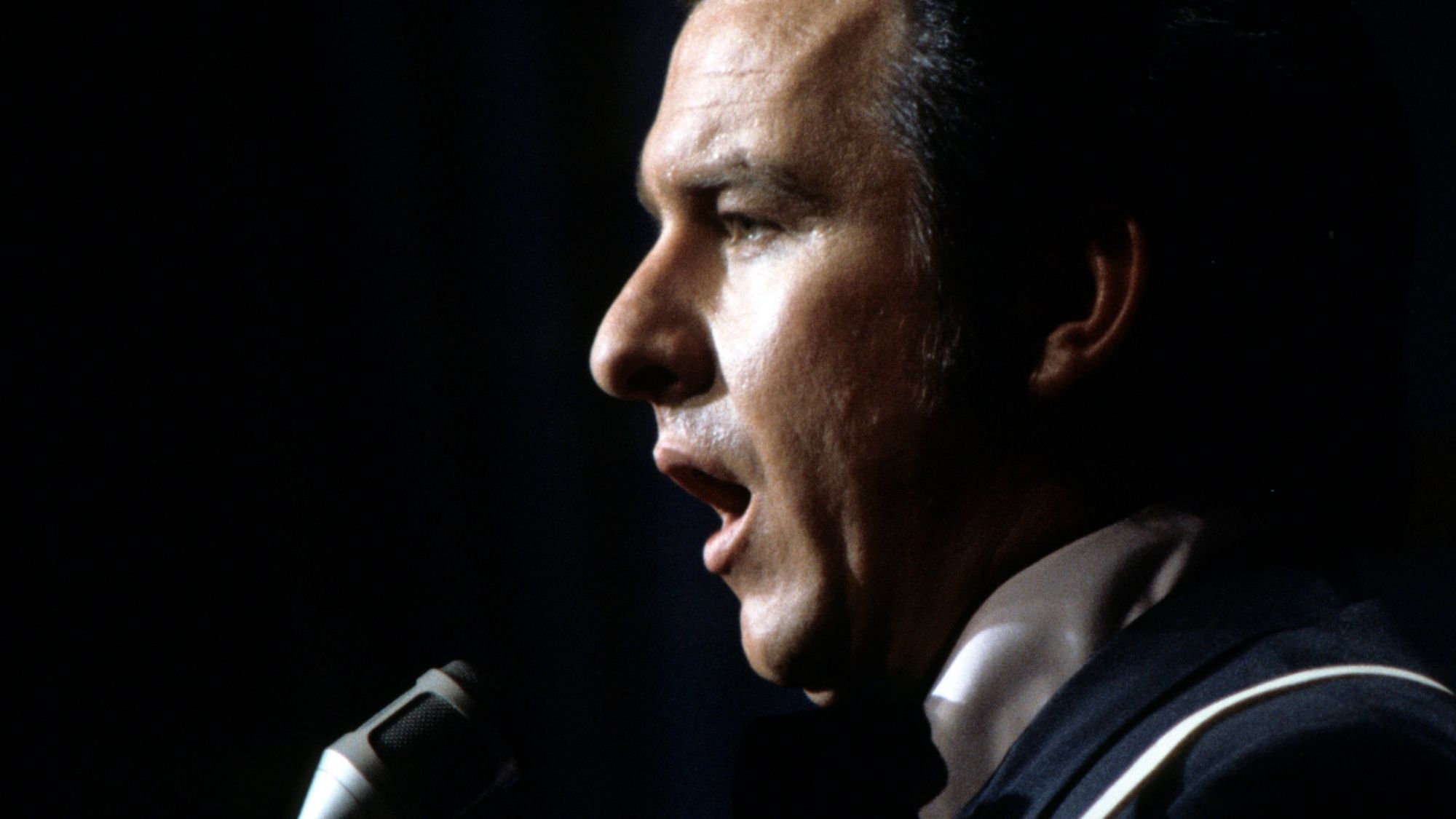
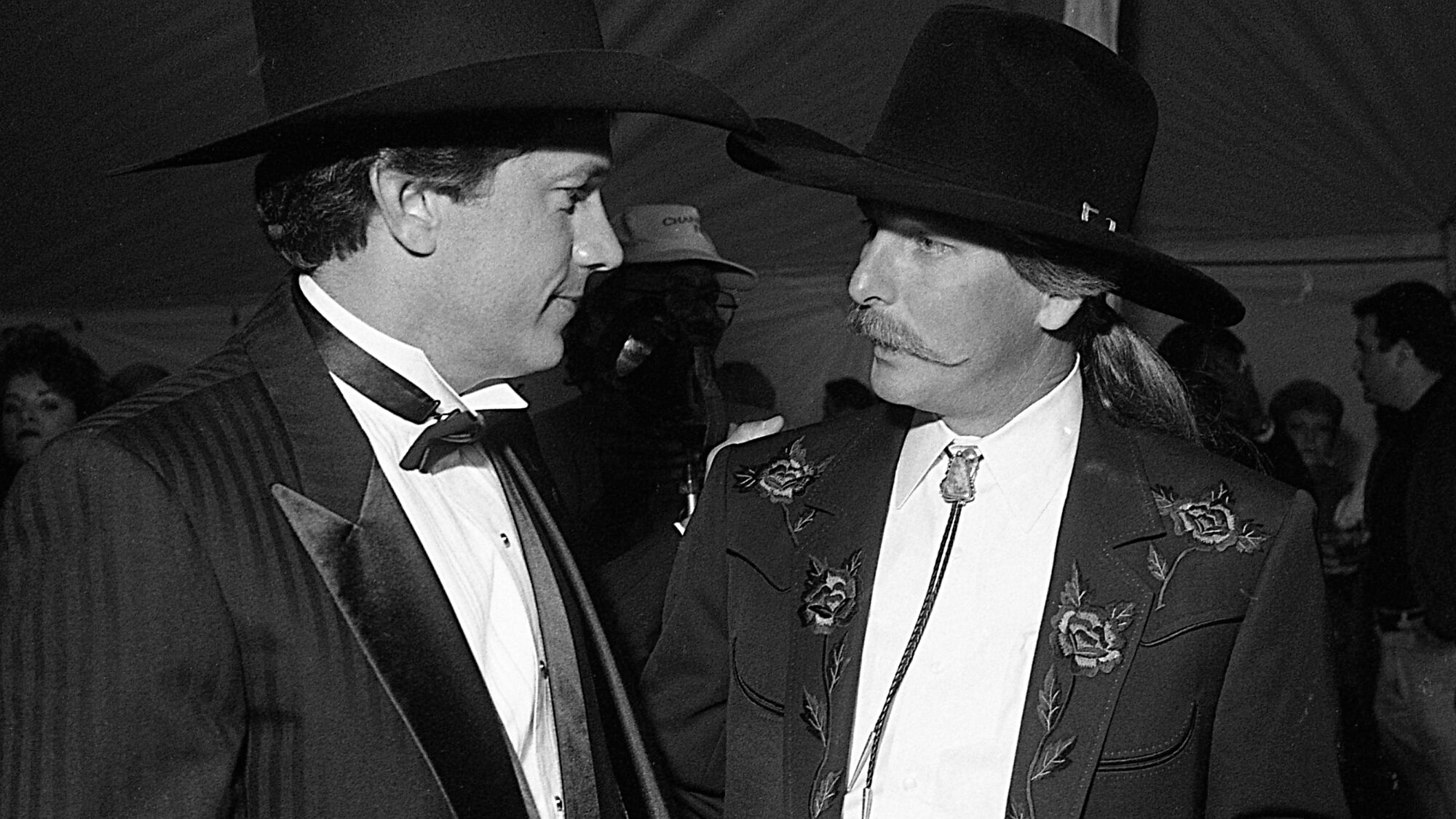
Featured Image by Michael Ochs Archives/Getty Images


Leave a Reply
Only members can comment. Become a member. Already a member? Log in.