
This year’s edition of American Songwriter’s Top 25 Songs is presented by Storyblocks.
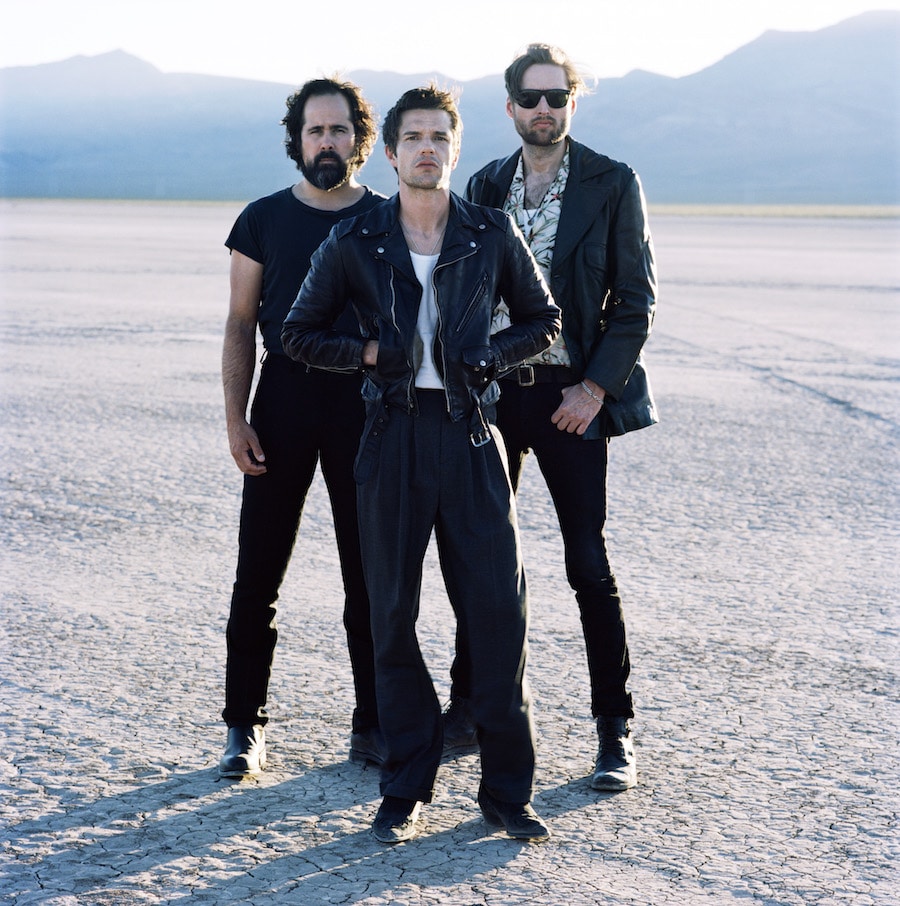
25. The Killers: “Tyson vs. Douglas”
(Alex Cameron / Brandon Flowers / Mark Stoermer / Ronnie Vannucci)
How much money did an 8-year-old Brandon Flowers have on Tyson back in 1990? “When I saw him go down,” the Killers frontman admits, “I had to close my eyes just to stop the tears.” In this particular boxing match, however, the Las Vegas band manages to convey something heartbreaking about how all our heroes eventually take a fall.
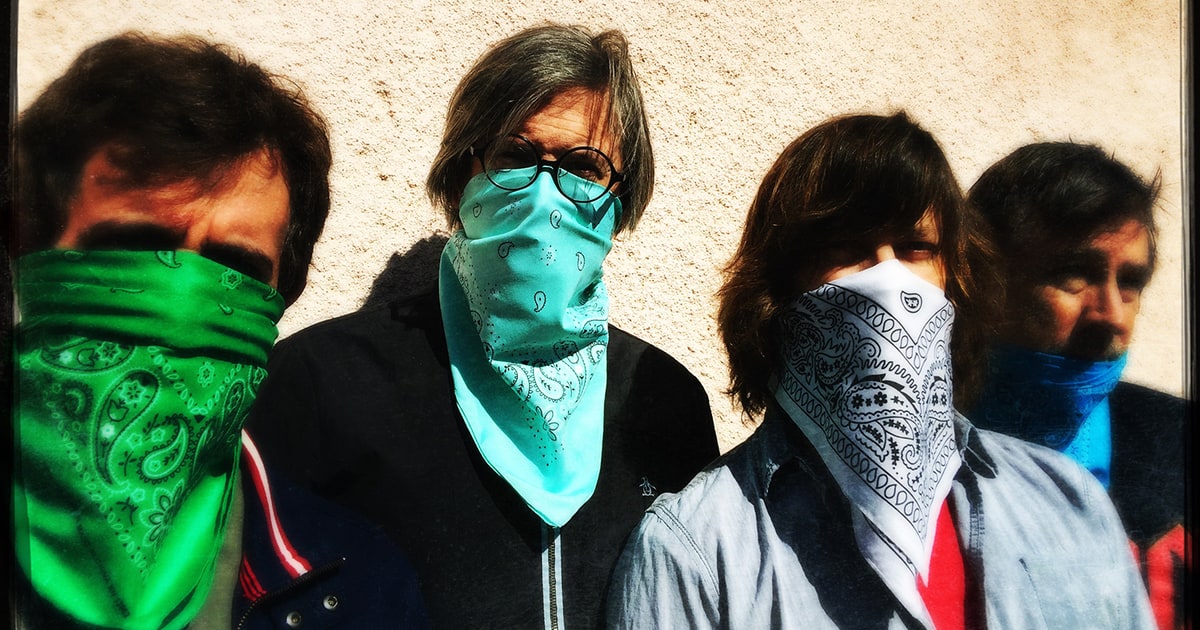
24. Old 97s: “Good with God”
(Old 97s / Brandi Carlile)
Texas’s favorite alt-country troublemakers returned in 2017 with their finest album in over a decade, anchored by this rip-snorting meditation on sin and redemption. “I got a soul that’s good and flawed,” Rhett Miller sings, but “I’m good with God.” It’s a witty deconstruction of male entitlement, although the greatest touch here is casting Brandi Carlile as a particularly vengeful Yahweh. It’s a role she was born to play.
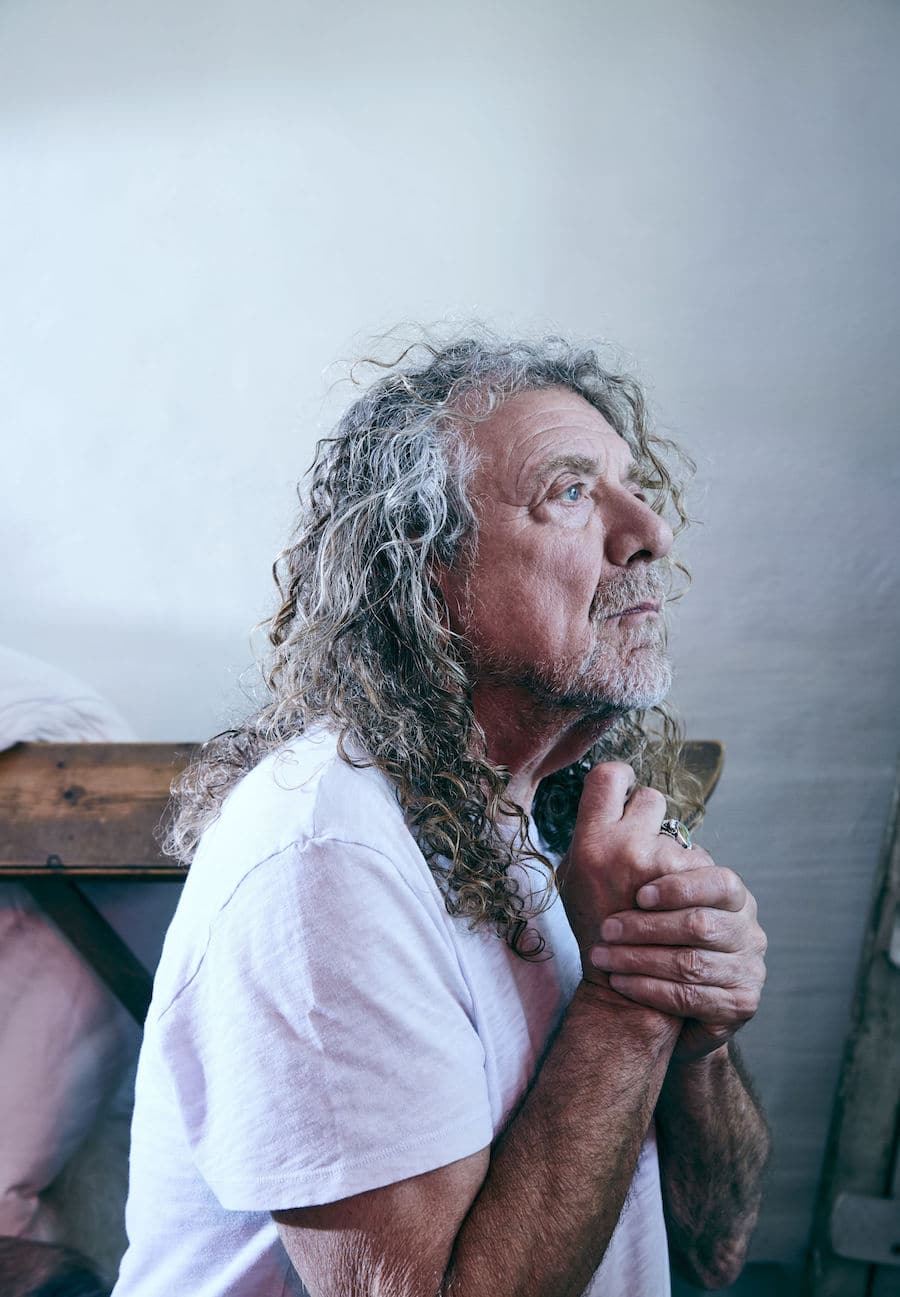
23. Robert Plant: “May Queen”
(Justin Adams / John Baggott / William Fuller / Robert Plant / Liam Tyson)
The title may or may not refer back to a line from Led Zeppelin’s “Stairway to Heaven,” but this single from Plant’s latest solo album sheds some light on why he’s so reluctant to reunite that band. “The May Queen” is an invocation to the Muse from an artist who has accepted his mortality. “Out here the fire’s still burning, so long into my night,” he declares, making clear that tending his fire means moving forward, not backwards, and mapping out new continents.
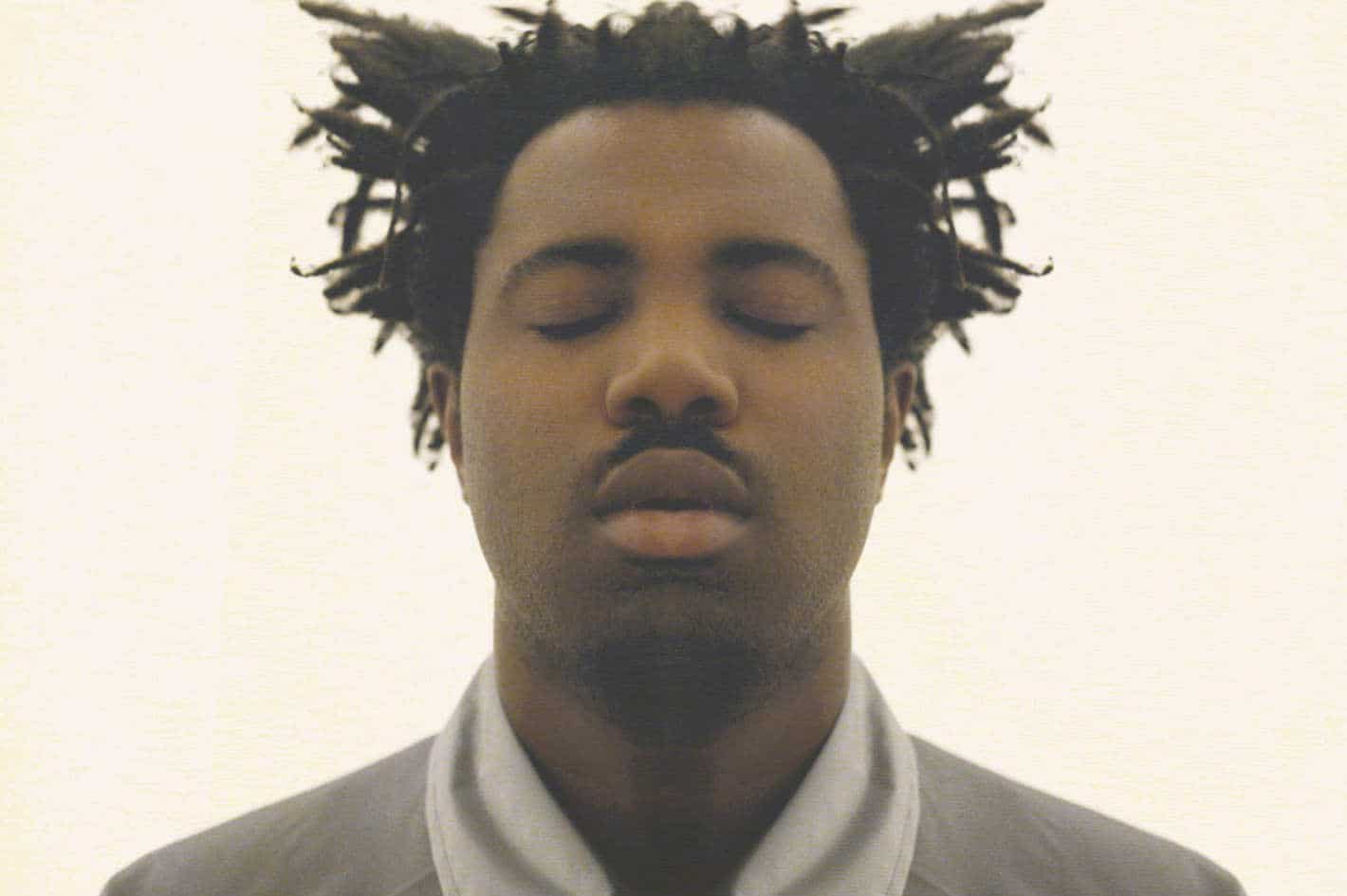
22. Sampha: “(No One Knows Me) Like the Piano”
(Sampha Sisay)
This standout from Sampha’s debut album is a love song to a musical instrument, which his father bought when the singer-songwriter was only three, which enthralled him as he grew up, and with which he reconnected while caring for his dying mother. “You would show me I had something some people call a soul,” he confesses, showing how music can define us on a deep level and push us past our miseries.
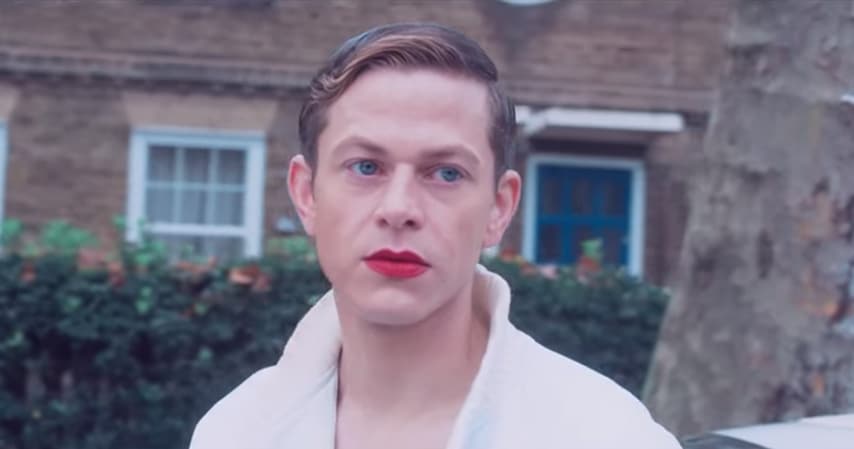
21. Perfume Genius: “Slip Away”
(Mike Hadreas)
Inspirational lyric of the year: “If you never see ’em coming, you’ll never have to hide.”

20. Jay Som: “The Bus Song”
(Melina Duterte)
Memorable concert moment from 2017: hearing a roomful of fans spontaneously shout out Melina Duterte’s defense of mass transit. “But I like the bus!”
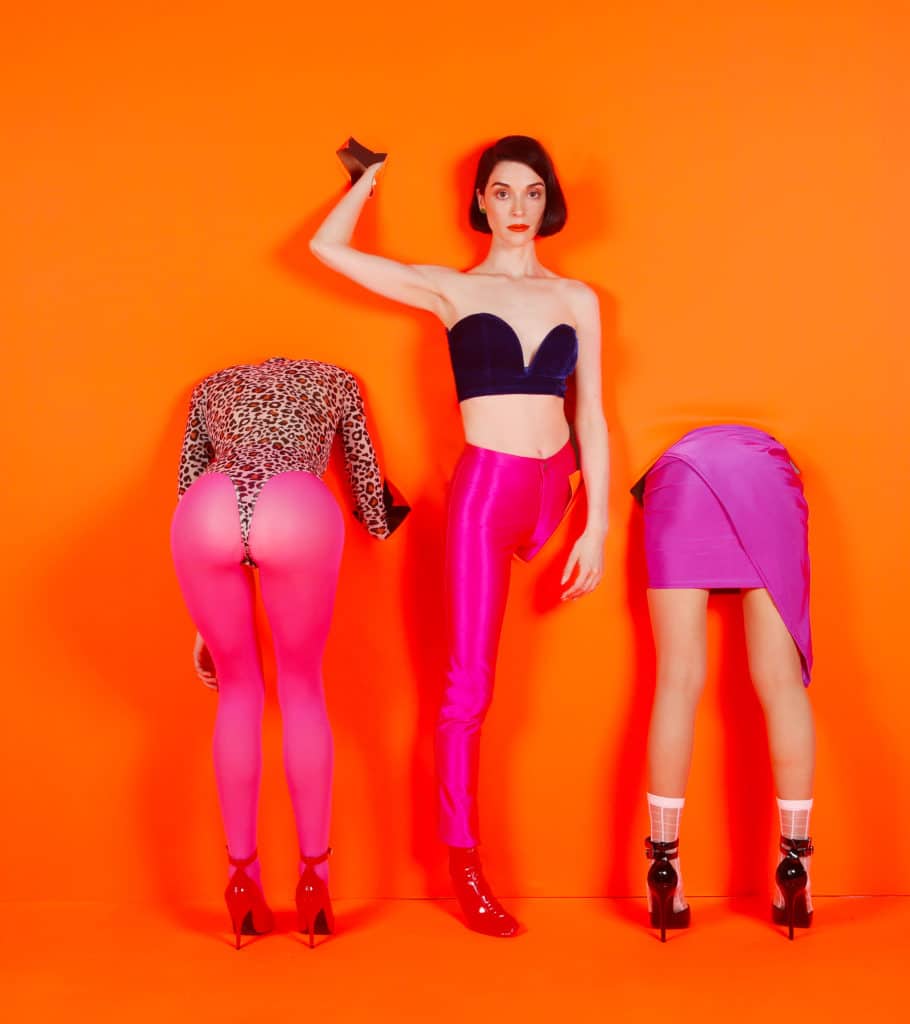
19. St. Vincent: “New York”
(Annie Clark)
The world outside the five boroughs may not need another song about New York, but we can always use a song like St. Vincent’s break-up ballad. Mapping her heart to the grid of Manhattan streets, she bids farewell to a lover and a hero and a friend, casually dropping “motherfucker” as a tender term of endearment.
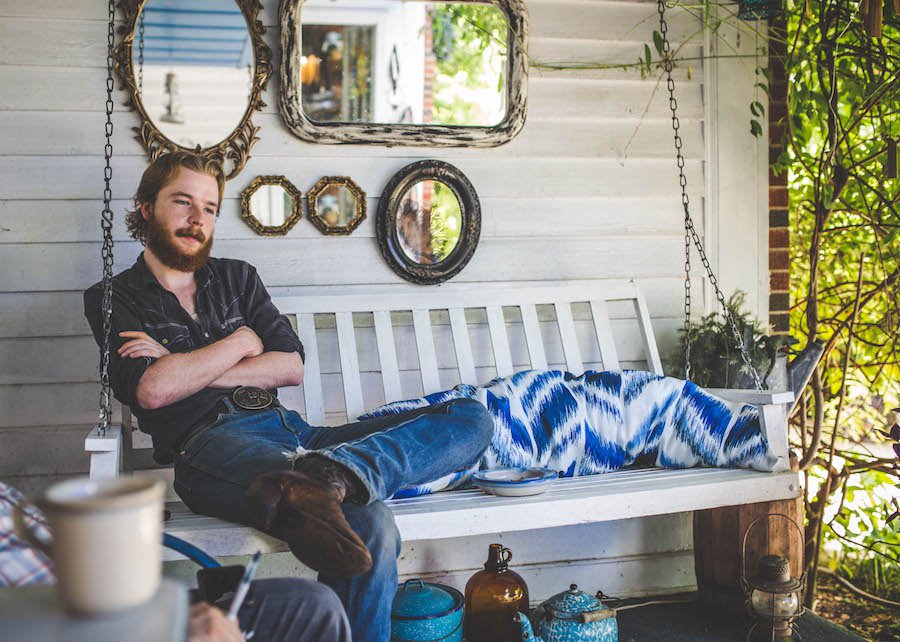
18. Colter Wall: “Me and Big Dave”
(Colter Wall)
Country music is full of songs about small-town fuck-ups, but the title characters in Colter Wall’s “Me and Big Dave” (the Kentucky singer-songwriter David Vaughn Lindsey) are running so wild they’re no longer sure if they’re chasing something good or running from something bad. Singing in that ocean-deep voice, Wall ends the song with an existential epiphany: “This whole world’s full of ghosts that I believe that most folks can’t see, the particular demons that reason with Big Dave and me.”

17. Aimee Mann: “Lies of Summer”
(Aimee Mann)
No song on Aimee Mann’s excellent Mental Illness addressed that album title as bluntly or as unsentimentally as “Lies of Summer,” a story-song about a bipolar kid who loses himself in an institution while his family untangles his lies and crimes. Mann’s tone alternates between wry dismissal and clinical fascination, as though the face behind the Plexiglas was an intriguing specimen to be studied and dissected.
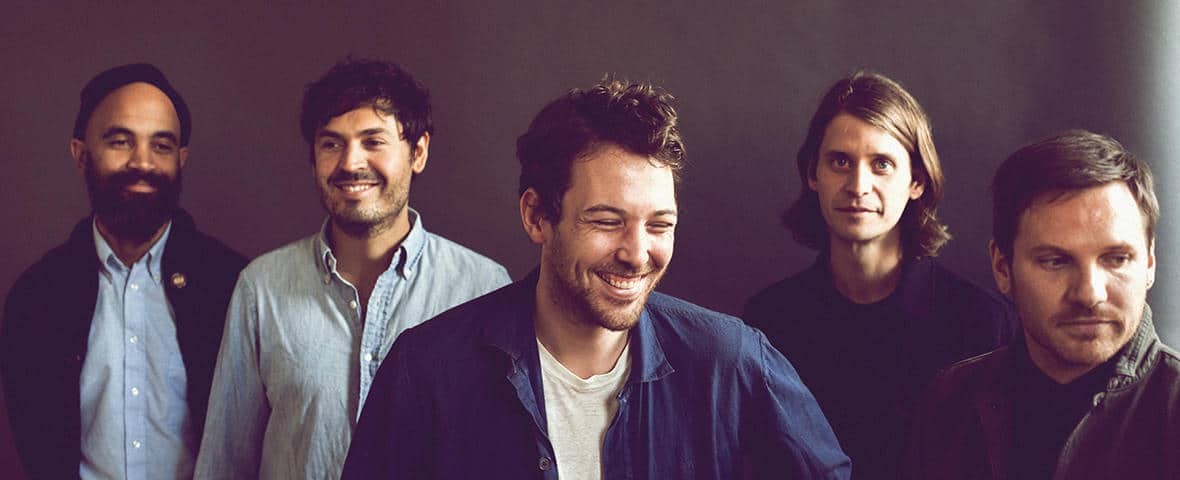
16. Fleet Foxes: “I Am All That I Need / Arroyo Seco / Thumbprint Scar”
(Robin Pecknold)
Fleet Foxes redefined themselves on Crack-Up, their frontman in particular, who penned ambitious suites and movements and collage. This opening triptych is a song written through ambient noise as much as through lyrics and melodies: the rattle behind Robin Pecknold’s quiet vocals at the beginning, the sound of a door opening as he walks out on his own song, the sample of South Pacific islanders playing a river like a musical instrument.
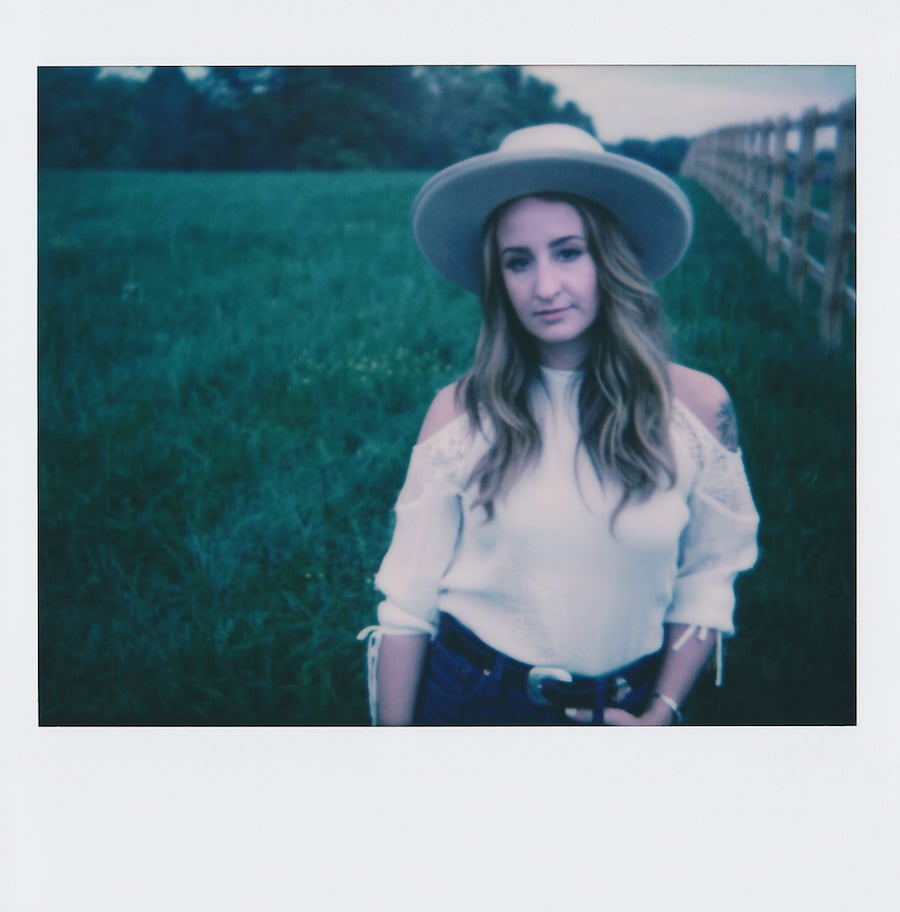
15. Margo Price: “A Little Pain”
(Margo Price)
After making her name with a solo debut that explored some of the sadder moments of her life, Margo Price returned very quickly with an even better follow-up and this song, which sounds like sly commentary on her life post-breakout: a busy schedule and way too many obligations. Rather than whine, she blows it all off with a chorus that I still can’t believe took someone this long to write: “A little pain never hurt anyone.”
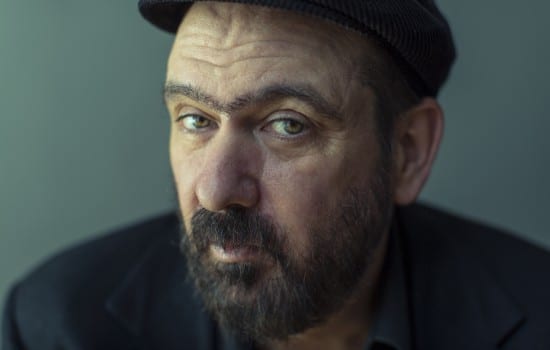
14. Mark Eitzel: “In My Role as Professional Singer and Ham”
(Mark Eitzel)
Imagine Jesus at that uncomfortable Thanksgiving dinner where everybody’s trying not to bring up politics and you’ve got a good idea of the tone of Mark Eitzel’s solemn gem. It’s the perfect song for these perilous times, and he nurses his cynicism with all the wit and verve we’ve come to expect from him: “The soundtrack for everything I see is played by those hacks from the Titanic.” Pass the stuffing.
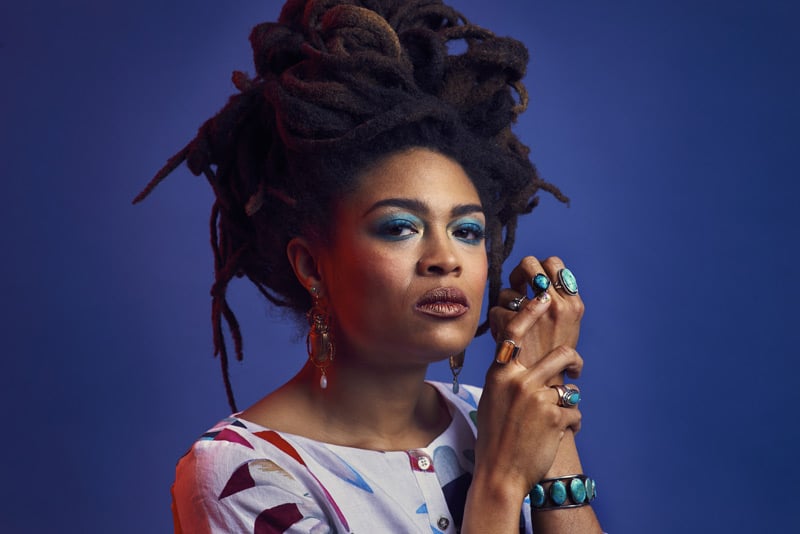
13. Valerie June: “Long Lonely Road”
(Valerie June Hockett)
Opens with a lovely and vivid reminiscence, a perfect couplet: “Pile in the church pew rows/ Gran made the best yeast rolls.” A song about the joy of family and the necessity of leaving them, of making your own way in the world, sung with a knowing delicacy by an artist who has been walking that long, lonely road for years now.
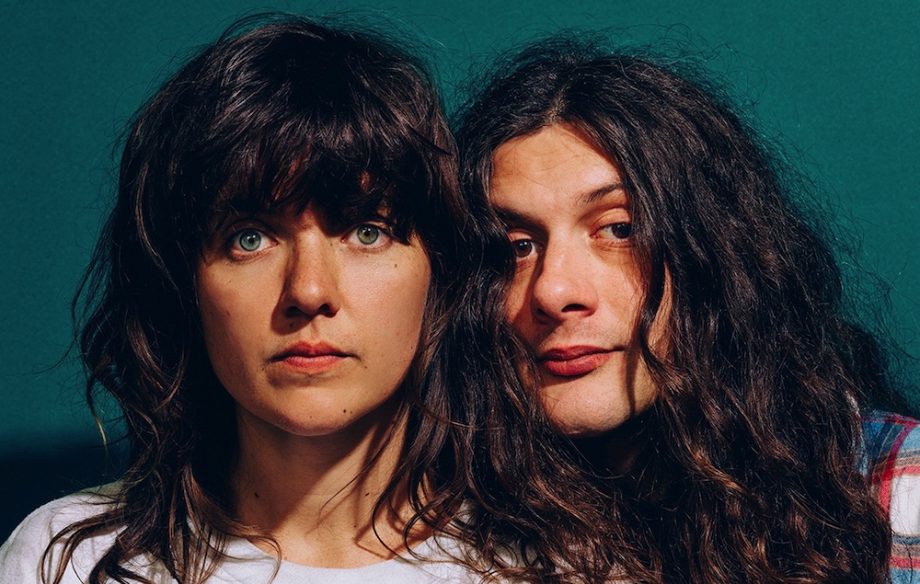
12. Courtney Barnett & Kurt Vile: “Over Everything”
(Kurt Vile)
These two international pen pals trade verses like the song is an exquisite corpse they’re writing in real time, which is fitting as their subject for this and every song on their collaborative album is how they write and live with songs. Usually it’s over headphones and always it’s as a means of escaping into the space between those speakers, even if it’s to their physical detriment. Vile admits to tinnitus, but that long guitar jam that closes the song shows just how little they care about that ring in their ears or ours.
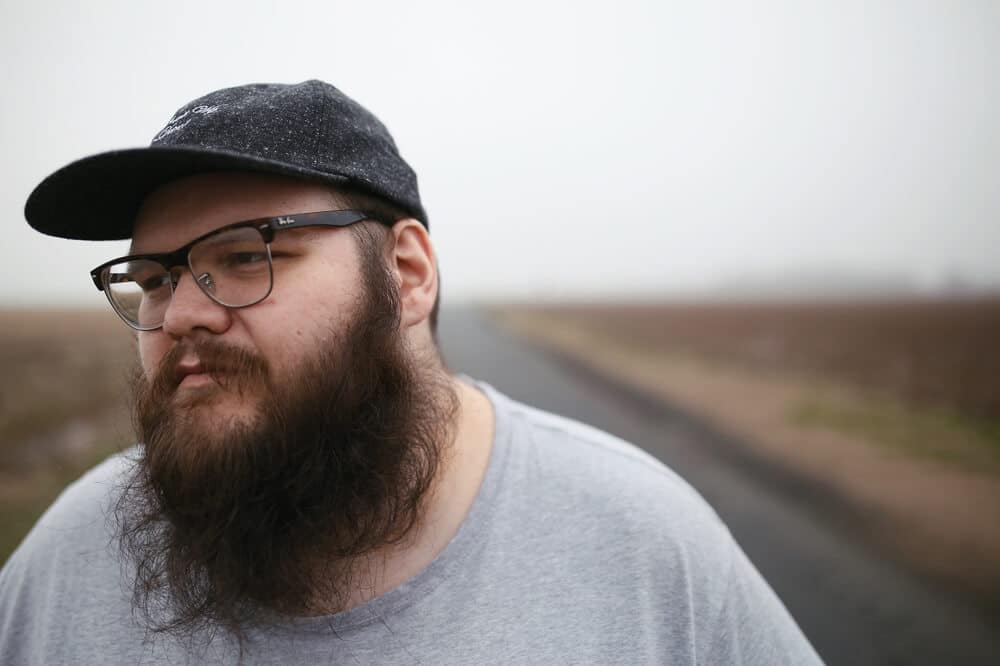
11. John Moreland: “Sallisaw Blues”
(John Moreland)
Sallisaw, Oklahoma, is famous as the homeplace of the Joad clan in John Steinbeck’s Grapes of Wrath, but in this Okie punk-turned-folkie’s song, it’s just another American small town dying a slow death. There’s some optimism and even humor in John Moreland’s depiction, as thought he might remake these empty burgs into something new and vivid and as American as ever.
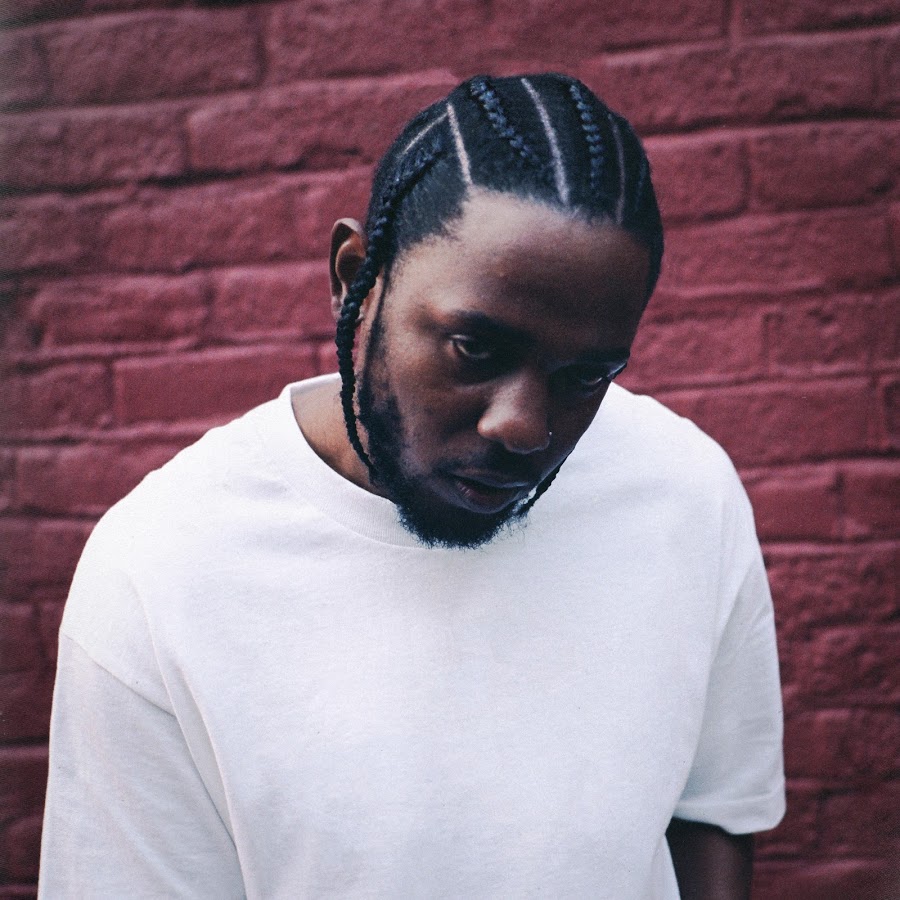
10. Kendrick Lamar: “DNA”
(Kendrick Duckworth / Michael Williams)
Geraldo Rivera had some damning things to say about hip-hop music, which became a prominent sample on this standout from Kendrick Lamar’s DAMN. “DNA” gets at American blackness on a genetic level: “I got loyalty, got royalty inside my DNA.” But also: “Problem is, all that sucker shit inside your DNA.” It becomes a contradiction that Lamar knows he can’t unravel, at least not in three minutes, but he knows enough not to settle for the easy answers of TV pundits.
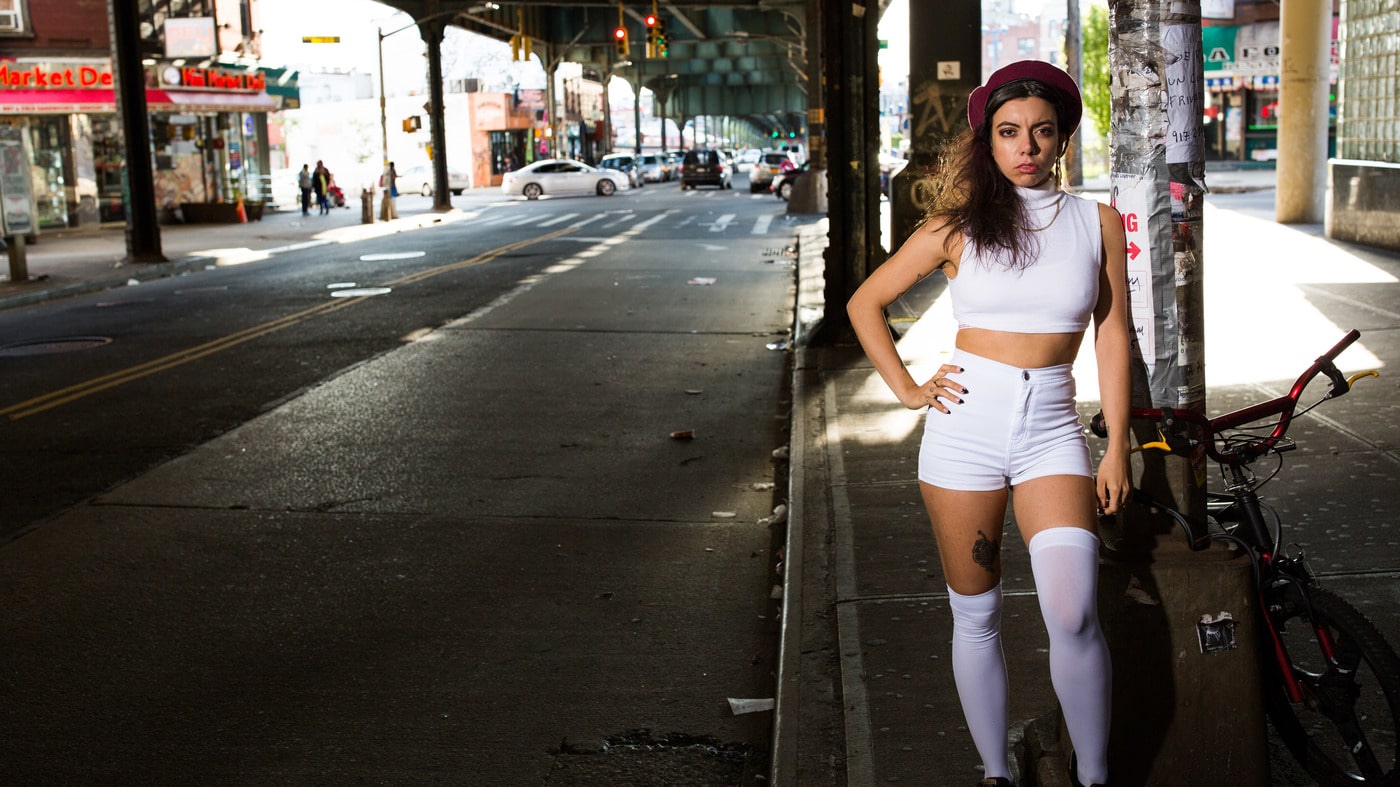
9. Hurray For The Riff Raff: “Rican Beach”
(Alynda Lee Segarra)
Alynda Lee Segarra’s fifth album as Hurray For The Riff Raff was a dramatic departure, as she jettisoned much of the rootsy sound of her previous records and wrote an ambitious concept album with sci-fi trappings and real-world implications. “Rican Beach” confronts the gentrification of immigrant neighborhoods in New York City and the displacement of settlers to the furthest outskirts of the boroughs. The song itself is a throwback to ‘70s salsoul and Fania Records, proving that urban Latin music is just as Americana as country or bluegrass.

8. The National: “The System Only Dreams in Total Darkness”
(Matthew Berninger / Carin Besser / Aaron Dessner / Bryce Dessner)
Matt Berninger has always written in code and has always sung like he’s trying to decipher it in real time, and the first single from the National’s seventh album is no different. At once vivid and obscure, it could be about politics or art or both — and that undecided quality is what makes this song so compelling. The bridge may be his most matter-of-fact commentary on his own creative process, giving us an idea of why he writes the way he writes: “I can’t explain it any other, any other way.”

7. Joan Shelley: “Where I’ll Find You”
(Joan Shelley)
This Kentucky native writes simply and straightforwardly, with a singsong cadence in her vocal melodies and a sense of gentle purpose in guitar playing. “Where I’ll Find You” uses those elements to speak softly about hard desire: “I blamed the wind when my legs shook/ but your eyes, that hungry look.” It’s all the more powerful for being so understated, as she can barely admit to feelings she can’t even name.
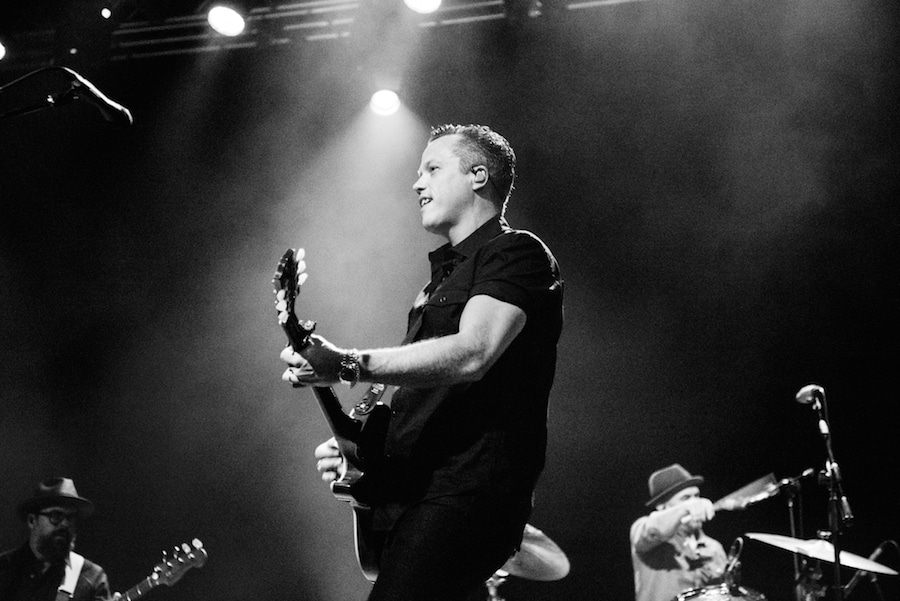
6. Jason Isbell: “If We Were Vampires”
(Jason Isbell)
Amanda Shires has become an increasingly prominent presence in her husband’s songwriting these last few years, as Isbell ponders the responsibilities of being a family man. Nowhere is that clearer than on this standout from The Nashville Sound, which indulges one of his most fantastical conceits to get at one of his greatest fears: that he won’t die before she does, that one day he might have to face life without her.
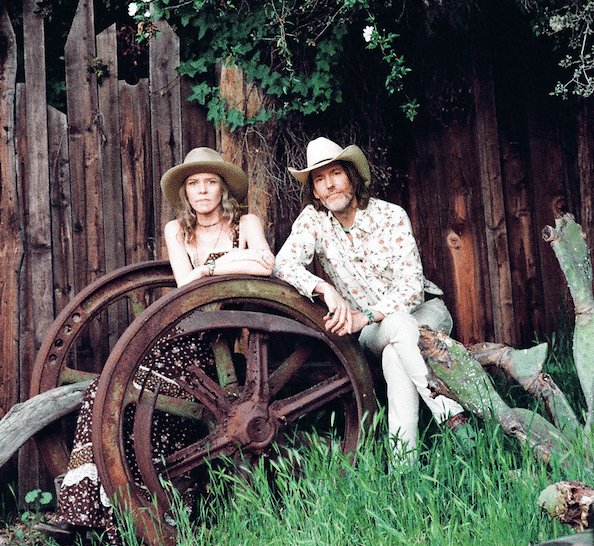
5. David Rawlings: “Airplane”
(David Rawlings / Gillian Welch)
If David Rawlings had an airplane, he’d “fly to Tennessee just for the day, and lay me down easy, just to wind my blues away.” You could substitute any state or place in that line, wherever you want to be at any particularly bad moment. It’s a beauty of a song about escaping, about leaving your woes on the ground as you go soaring through the air, and Rawlings sings and plays guitar like a man who has more than a few of those woes.

4. Lee Ann Womack: “Hollywood”
(Waylon Payne / Mando Saenz / Lee Ann Womack / Adam Wright)
Few artists inhabit “real” country music quite as casually as Lee Ann Womack, who understands that old sounds and styles can say as much in 2017 as they might have in 1967. “Hollywood” is an understated three-act play that’s either about romantic inertia or romantic paranoia. Womack sings the chorus to a lover she can’t quite get a read on: “Either I’m a fool for asking, or you belong in Hollywood.” She delivers the line like a tossed-off witticism, a piece of repartee over cocktails, yet something in her voice hints at a deep well of fear that she can’t quite face.
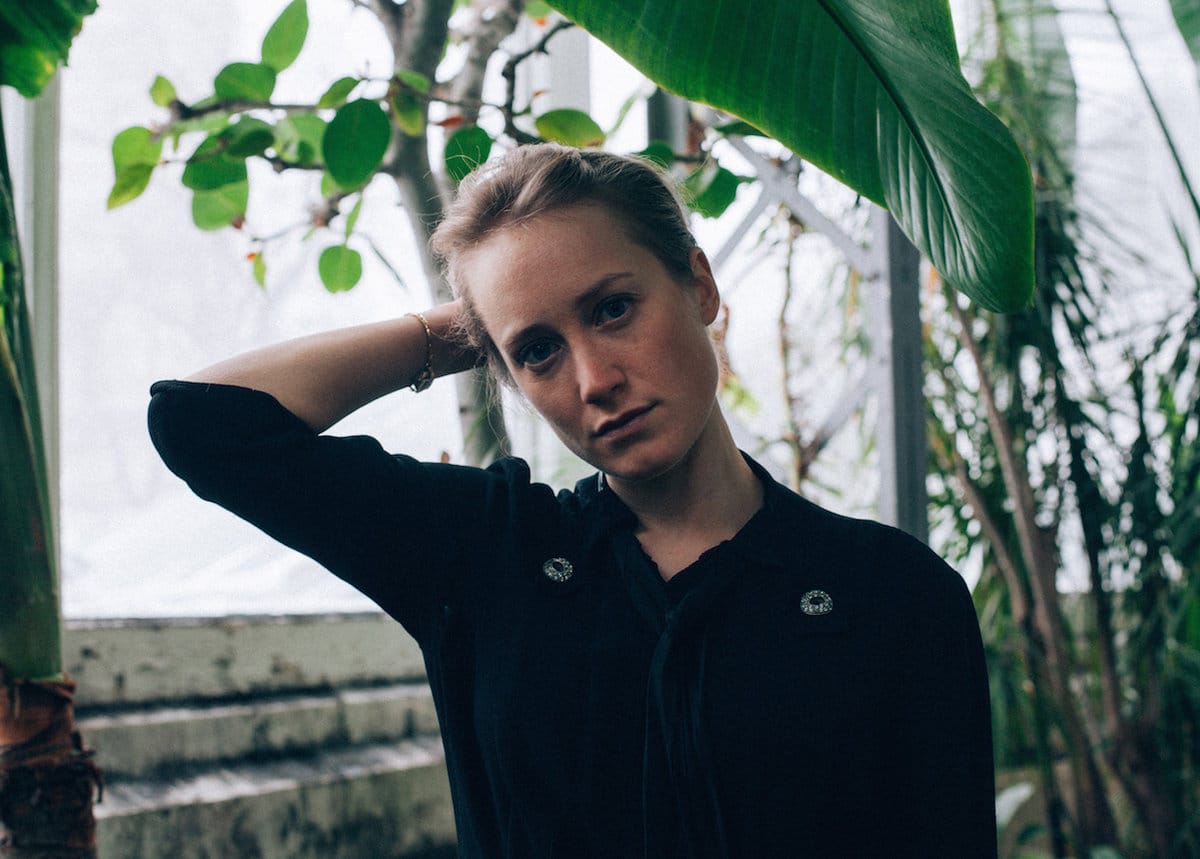
3. Weather Station: “Thirty”
(Tamara Lindeman)
Tamara Lindeman was 31 years old when she recorded her latest album as the Weather Station, which is significant. “Thirty” is a song about surviving that milestone birthday, about the small moments that define that time of life: “You put your hand on the small of my back, I was surprised that you’d touch me like that.” The song builds speed and momentum, getting faster and faster with each new memory, much like life itself. And Lindeman stands in the middle of the storm, trying to make sense of one moment before the next moment hits. “That was that year, now here is another one.”
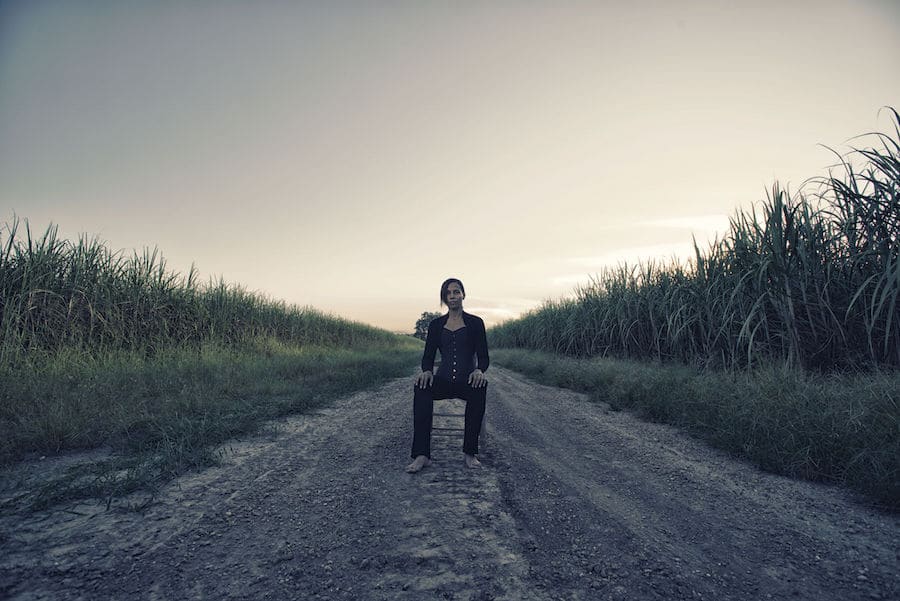
2. Rhiannon Giddens: “At the Purchaser’s Option”
(Rhiannon Giddens / Joey Ryan)
The opening track on Giddens’ powerful second album was inspired by a newspaper ad from the late 18th century hawking a female slave: “a remarkable smart healthy Negro Wench … about 22 years of age.” Her baby “will be at the purchaser’s option.” Giddens digs into that woman’s perspective, conveying both the horror of her situation but also locating the wells of defiance that keep her alive. “You can take my body, you can take my bones. You can take my blood, but not my soul.” Giddens makes the song sound utterly modern and, like the rest of her album, sadly relevant to the black experience in the 21st century.
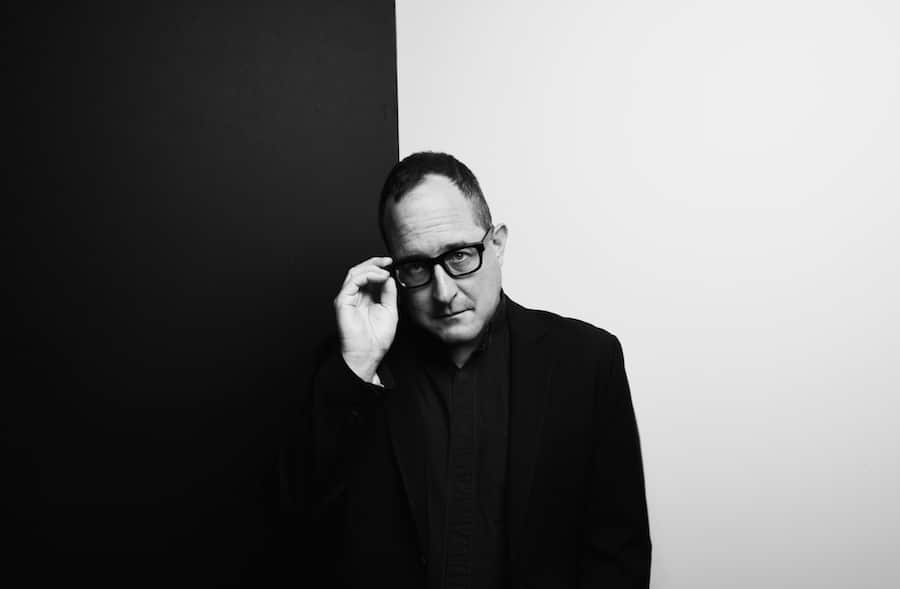
1. Craig Finn: “God In Chicago”
(Craig Finn)
We expect strong characters and compelling stories from Craig Finn, whether he’s recording solo or with the Hold Steady. We even expect beautiful details and excellent location scouting. But we didn’t expect a song as powerful, as specific, as lived in, as beautiful, as insightful, as risky as “God in Chicago,” one of the great surprises of 2017. The music is as simple as anything he’s ever done: just a few sad piano chords and a bruised chorus that never repeats. He doesn’t sing, either. Instead, he relates the story of two grieving souls in a matter-of-fact tone, speaking to you, direct and conversational, as casual as a tale told over beers but as serious as a eulogy. When he remarks, “We all want the same things,” you know exactly what he’s talking about, because this story he’s telling isn’t just about two people selling drugs and having a night in Chicago. It’s about you and me and our desire to find some brief escape from the beautiful horror of living.
More The List
-
UNSPECIFIED – CIRCA 1970: Photo of Diana Ross Photo by Michael Ochs Archives/Getty Images -
Singer Tiffany performing on stage at the Midem Music Conference in Cannes, February 4th 1988. (Photo by Dave Hogan/Getty Images) -
Cyndi Lauper performing at a WNEW Christmas Concert at Madison Square Garden in New York City on December 19, 1986. -
UNSPECIFIED – CIRCA 1970: Photo of Tammy Wynette Photo by Michael Ochs Archives/Getty Images -
Photo by ZIK Images/United Archives via Getty Images -
ATLANTA, GEORGIA – Willie Nelson Performs at the Great Southeast Music Hall on October 27, 1975 in Atlanta, Georgia. (Photo by Tom Hill/WireImage) -
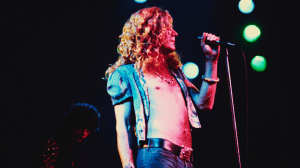
Photo by Michael Putland/Getty Images