
It took some time for Ásgeir to start finding his voice again. His 2012 Dýrð í dauðaþögn, later released in English as In the Silence, was mostly interpretations of his father Einar Georg Einarsson’s poetry and his friend, songwriter Júlíus Aðalsteinn Róbertssonas’ works, with the help of translator John Grant. The familial and familiar pattern of working around his father’s words continued through Ásgeir’s 2017 release, Afterglow, Bury the Moon (Sátt) in 2020, and Time on My Hands (2022), before he found Julia.
His fifth release, Julia, is about losing his way and the “struggle to find it again,” said Ásgeir. Julia is no one in particular, but more of a symbol, representing the “shapeshifting” he was undergoing as an artist and a songwriter, and through the process of writing the 10 songs on the album, a first for the Icelandic singer and songwriter.
“Julia is the namesake fictional character of one of the LP’s songs, but she also takes on different forms throughout the record,” Ásgeir said in a previous statement, “an inner voice, a guiding motherly voice, a ghost, sometimes even an ex-girlfriend.”
However imaginary, Julia is very real in stories of love, the ephemeral, and tangible proofs of transformation, from opening “Quiet Life” and the dreamier pulse of “Against the Current.” Some traces of Americana ripple through “Smoke,” recorded with a live four-piece band and layered by pump organ, and onto midtempo “Ferris Wheel,” featuring Nashville cellist Nathaniel Smith. Every track is another rung toward self-expression, reflections, and a voice becoming more vivid.
Videos by American Songwriter
Meditations on self-discovery cascade through “Universe” and an effortless segue into “Julia”—Ásgeir calls both “sister songs”—with the latter set around a starker imagery, a snow-cloaked dune, and the interaction between the uncomfortable and what is meant to be, with “Stranger” confronting something more nostalgic, citing one’s transformation after going back to a place where so much has already shifted—I was just playing foolish games / With my friends in our old hangout / Oh, it feels just like yesterday / But so much has changed now.
More soul-searching lands on closing “Into The Sun”—Watch all your troubles turn into nothing … till you wake up again, trying to be someone you think you ought to be— and comes full circle since it’s the oldest song on the album, one Ásgeir wrote when he was 15.
Julia is the album Ásgeir was always meant to write. It just took some time. Composed mostly on guitar and co-produced with longtime collaborator Guðmundur Kristinn Jónsson, Julia is also a time machine measuring moments in Ásgeir’s life, retracing old spaces, faces that finally tell part of his own story.
“When I was trying to come up with an album title, it became a bit obvious, the thread between a few tracks on the album,” says Ásgeir. “Maybe it’s a bit like abstract, or maybe it just makes sense in my head or something, but I started to see a thread between like ‘Julia’ and ‘Universe’ and ‘Smoke’ and a few other songs with this female character, and ‘Julia’ felt like a strong name.”
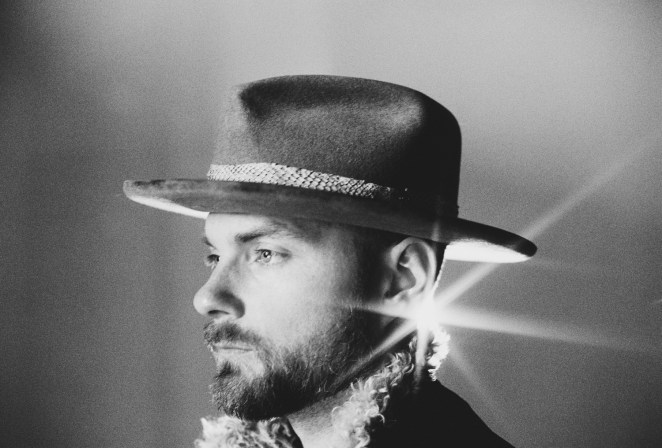
Overly ambitious at first, Ásgeir originally wrote 30 songs, which were whittled down to 20, then halved again for Julia. Written and recorded by Ásgeir, the songs are also filled in by a brass arrangement from Samuel Jón Samúelsson, who has worked with Sigur Rós and Coldplay.
The album is a natural plane of movement, and one his father, now 85, has embraced. “He’s been really happy with the songs that he has heard,” shares Ásgeir of his father, who still lives in the small northwest town two and a half hours outside the capital of Reykjavík, where his son was raised. “He’s been talking about it, and he’s always just at home watching YouTube videos. He’s very supportive.”
Now, Julia is the beginning of something new. “I’m still trying to find my voice in writing, because I’ve always been drawn towards more cryptic lyrics, where you have to figure out the meaning for yourself, and it doesn’t reveal itself,” Ásgeir says. “But now, I feel like it’s easier to have a story where you have a clear beginning and end.”
He continues, “‘Julia’ is something really different from what I’ve done. It’s not me trying to think of something, like a cool phrase or something. It just feels fresh and new, and bold.”
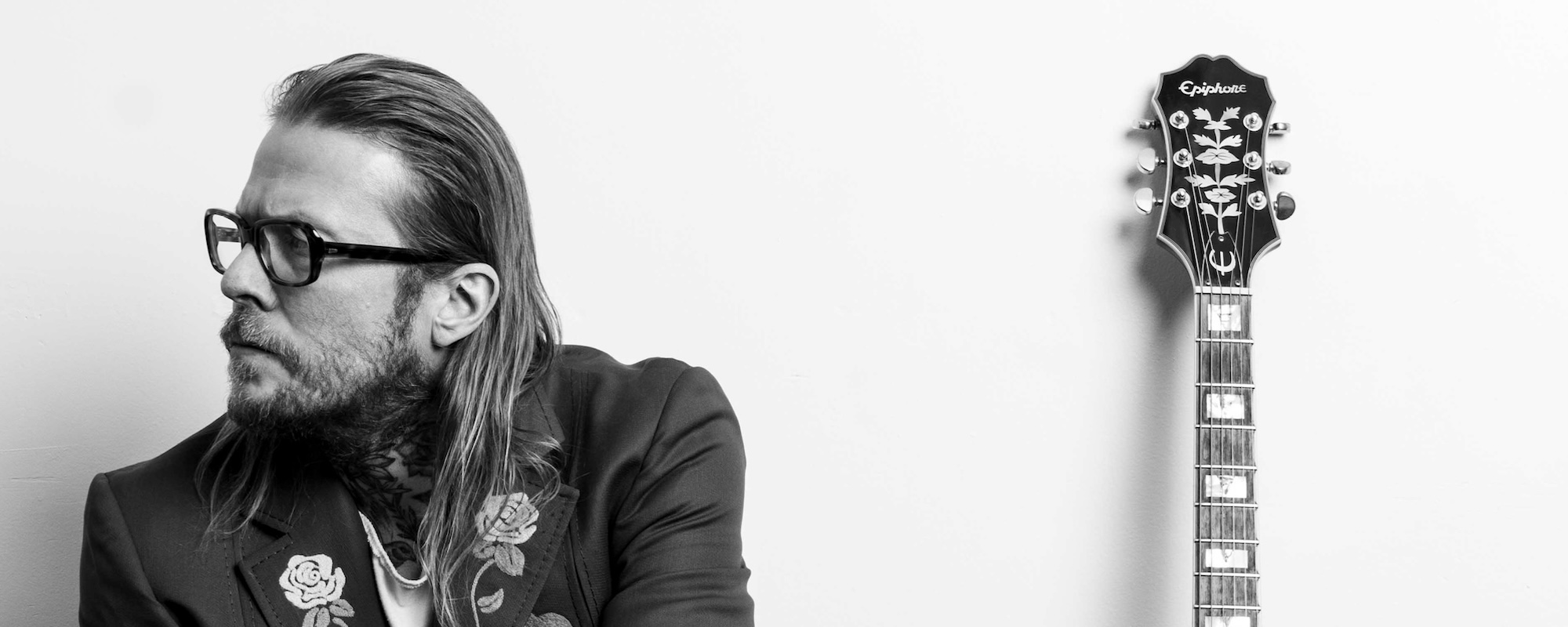
Photo: Isleifur Elí






Leave a Reply
Only members can comment. Become a member. Already a member? Log in.