Your cart is currently empty!



How Spandau Ballet Drastically Changed Styles To Record Their Biggest Hit in 1983
Knowing when it’s time to change course is an underrated weapon in a band’s arsenal. Wait too long to deviate from a formula that’s gone stale, and it can be devastating for career momentum.
Videos by American Songwriter
The British band Spandau Ballet got the timing just right when it came to pivoting to a new style. And it led to their massive hit “True”, which solidified their British success and broke the band in America.
Switching to Soul
It wasn’t like Spandau Ballet were struggling mightily when they decided to make a different style of music on their third album. The British five-piece had made major waves in Great Britain with a style that was aimed at the dance clubs first and foremost. Success on the pop charts followed along with this pursuit.
But the band started to subtly feel their audience drifting away from them, necessitating a stylistic shift. They also had a hankering for worldwide success that would require branching out from what they’d done previously. “True” was a byproduct of all those instincts.
The move to soul music was a natural, as members of the band loved that genre anyway. In addition, the fact that Steve Norman started playing saxophone around that time also pushed them in that direction. They just needed the right song to exploit this newfound musical interest. And that’s when Gary Kemp, the band’s chief songwriter, ended up saddled with a case of unrequited love.
“True Confessions”
Kemp fell hard for Clare Grogan of the band Altered Images. The song built from that desire into an exploration of not just love but also the difficulties of expressing oneself when that situation arises. Certain lines were inspired by Vladimir Nabokov’s book Lolita, which Grogan had gifted Kemp.
As far as the melody and structure of the song, Kemp took some inspiration from the Al Green song “I’m Still In Love With You”. The repeated, wordless syllable that leads into the refrain was derived from The Beatles song “Dig A Pony”, where John Lennon does a similar vocal riff on the word “I.”
Kemp even name-dropped Marvin Gaye in the lyrics to further strengthen the song’s soul credibility. Lead singer Tony Hadley offered a performance that veers from clever restraint to untempered emoting. “True” earned the band the new fandom they desired, topping the charts in Great Britain and earning them their first US success with a No. 4 ranking in 1983.
Behind the Lyrics of “True”
Gary Kemp’s lyrics expertly capture that flush of newfound love. “Head over heels when toe to toe,” Hadley sings. “This is the sound of my soul.” The narrator suggests that he’s realized what’s important in his life after youthful travels: “I bought a ticket to the world/But now I’ve come back again.”
He knows that he can’t wait forever to make his move. “Always slipping through my hands,” he laments. “Sand’s a time of its own.” As eloquent as he might seem, however, he freezes up when push comes to shove. “Why do I find it hard to write the next line?” he wonders. “Oh I want the truth to be said?”
Spandau Ballet continued to churn out an impressive string of hits over the next few years, although their US success was limited after “True”. Nonetheless, they delivered an undoubtable classic with the song, wisely realizing that drastic musical changes are sometimes required for the best results.
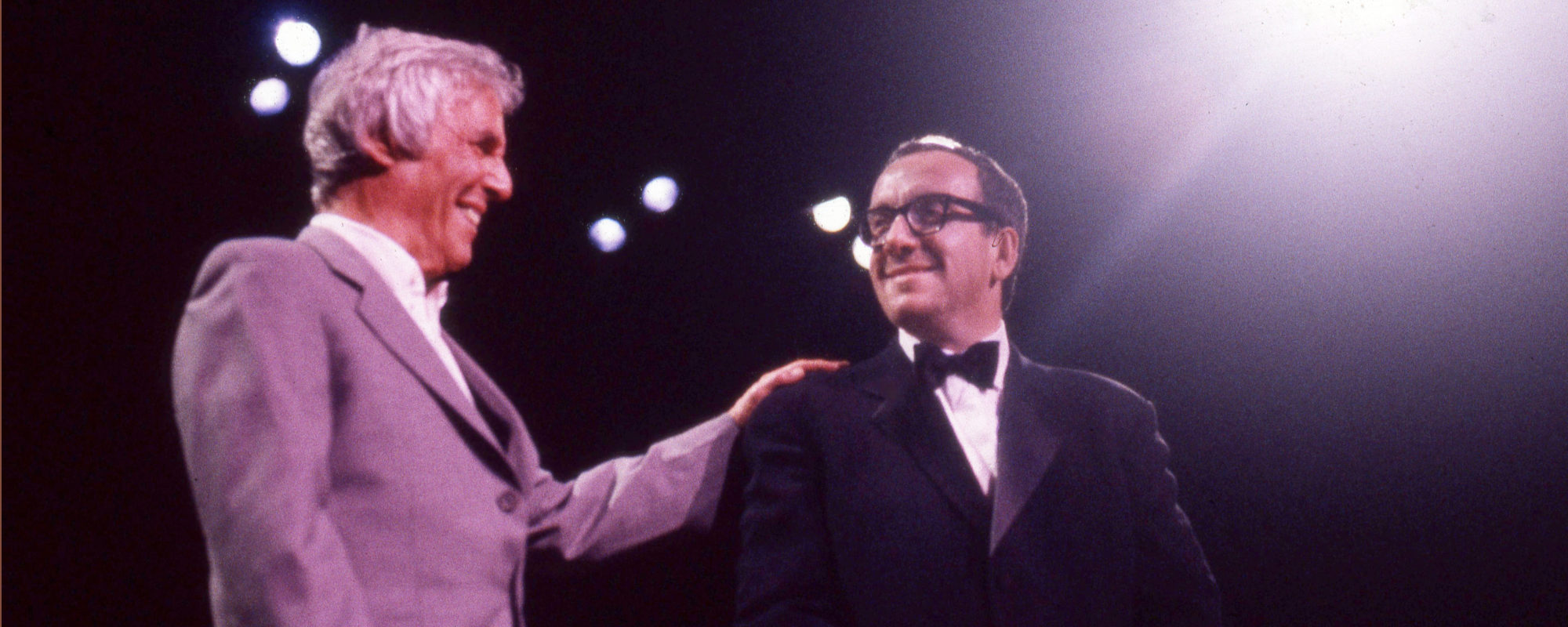
Photo by Pete Still/Redferns



Leave a Reply
Only members can comment. Become a member. Already a member? Log in.