While Hank Williams enjoyed a highly successful (albeit too brief) career in country music, unfortunately the opposite was often true for his home life. By 1952, he was one of the most successful country singers in the world, with hits like “Jambalaya (On the Bayou)” and “Honky Tonk Blues”. Privately, however, his relationship with first wife Audrey Williams was in shambles as he battled issues with alcohol use and other substances prescribed to treat his severe back pain.
In May 1952, the couple split after six years of marriage. The story goes that Audrey received the house; custody of their 3-year-old son, Hank Jr.; and half of her ex-husband’s future royalties as long as she never remarried. Meanwhile, Williams married Billie Jean Jones in October 1952 in Minden, Louisiana. They would remain together until his death in January 1953.
Videos by American Songwriter
As the couple drove from Nashville to Shreveport, Louisiana, to tell Jones’ parents about their impending nuptials, Hank Williams began reminiscing on his previous marriage. Spitefully, he referred to Audrey as a “cheatin’ heart.”
Always the songwriter, an idea began brewing in Williams’ mind. Within minutes, he had dictated an entire song to Jones, who furiously scribbled the lines down in his notebook. On this day (April 11) in 1953, “Your Cheatin’ Heart” kicked off a six-week run atop Billboard’s Country & Western chart.
This Song Became a Posthumous Hit for Hank Williams
Sadly, Hank Williams never got to enjoy the success of “Your Cheatin’ Heart”. The iconic country singer died from heart failure on New Year’s Day, 1953, on his way to a concert in Canton, Ohio.
However, the story goes that Williams knew what he had, reportedly describing “Your Cheatin’ Heart” to a friend as “”the best heart song (he) ever wrote.”
Indeed, “Your Cheatin’ Heart” has since become synonymous with the myth of Hank Williams—a tortured, lonely figure who could never quite outrun his pain. In the decades since, divorce anthems have become par for the course in country music, and it isn’t at all hyperbolic to say much of that stems from this one song.
In the 2003 documentary series Lost Highway, country music historian Ronnie Pugh refers to the song as Williams’ “last will and testament.”
“It’s searing, it’s powerful, it’s gripping,” Pugh said. “If you want to say this is his last and best work, I wouldn’t argue with that.”
Featured image by Michael Ochs Archives/Getty Images
-
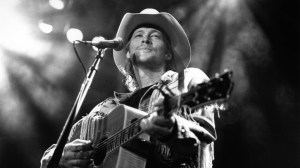
UNITED STATES – JANUARY 01: NASHVILLE Photo of Alan JACKSON, Alan Jackson performing on stage (Photo by Beth Gwinn/Redferns) -
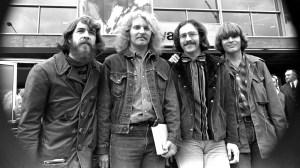
Creedence Clearwater Revival -

NASHVILLE, TN – Musician Jim Ed Norman speaks onstage during the GMA Honors Celebration and Hall of Fame Induction at the Allen Arena at Lipscomb University on April 29, 2014 in Nashville, Tennessee. (Photo by Rick Diamond/Getty Images for GMA) -
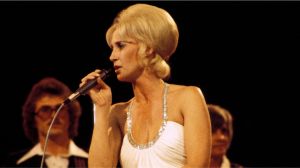
UNITED KINGDOM – WEMBLEY EMPIRE POOL Photo of Tammy WYNETTE, performing live onstage at the Country Music Festival (Photo by Andrew Putler/Redferns) -
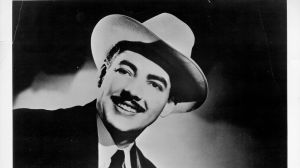
UNSPECIFIED – CIRCA 1970: Photo of Stoney Cooper Photo by Michael Ochs Archives/Getty Images -

Flea performing with Red Hot Chili Peppers