
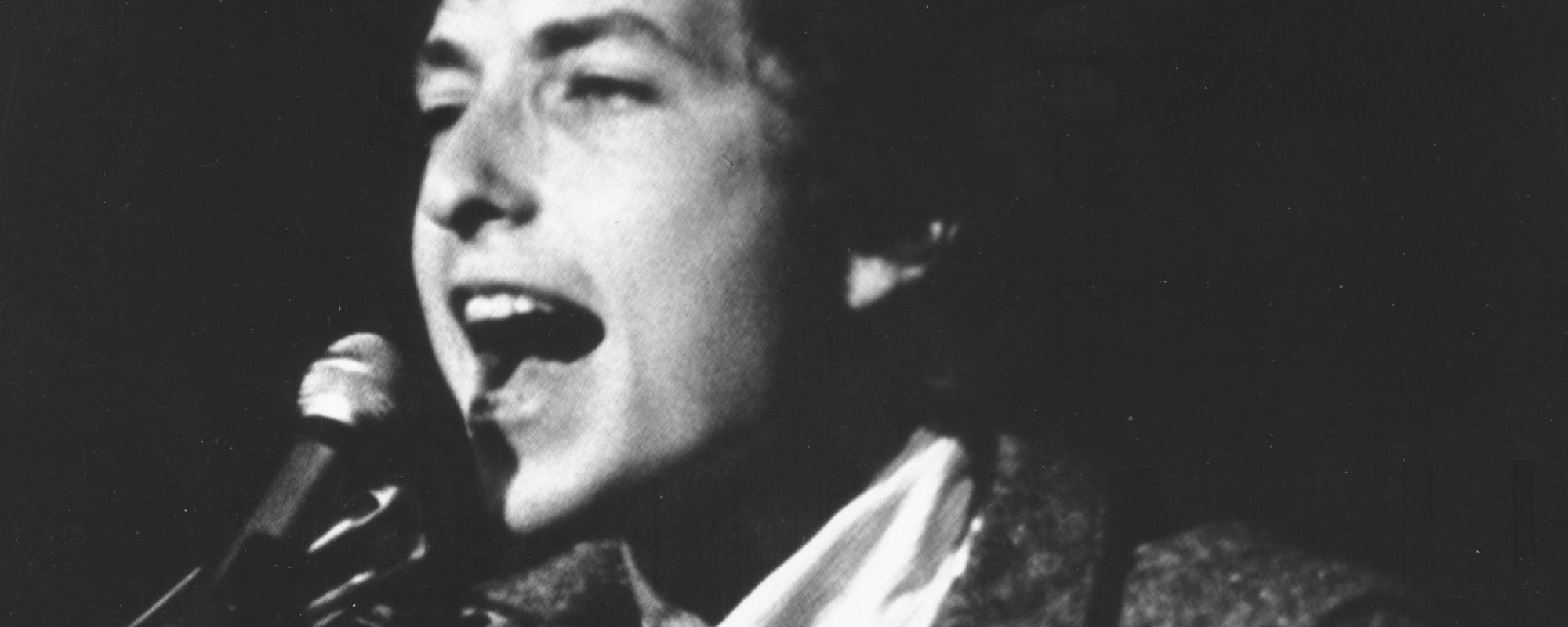
On this very day, March 19, 1962, the legendary folk artist Bob Dylan dropped his debut album. A modest piece of work, the self-titled debut featured mostly cover songs. There were only two original compositions: “Talkin’ New York” and “Song To Woody”.
Videos by American Songwriter
You can tell it was Dylan’s first release, considering how baby-faced he was on the cover of the record, a young man at only 21 years old. Despite the genuinely good though sparse press the album got from critics, Bob Dylan was initially considered a sales flop. In fact, when it was released to poor commercial attention, employees at Columbia Records referred to the album as “Hammond’s Folly.” John H. Hammond was the talent scout and producer who signed Dylan to Columbia on the spot when he discovered him. That, of course, was a relatively controversial decision at the time.
‘Bob Dylan’ Initially Did Poorly, Despite Critical Acclaim
Bob Dylan received little in the way of attention at first. Though, it would eventually start selling in retrospect once Dylan’s career took off later in the 1960s. In fact, three whole years after it was released to no charting placement, Bob Dylan reached No. 13 in the United Kingdom.
Bob Dylan featured quite a few excellent cover songs. The traditionals “Man Of Constant Sorrow” and “Pretty Peggy-O” sound great in Dylan’s accent. His covers of Curtis Jones’ “Highway 51” and Blind Lemon Jefferson’s “See That My Grave Is Kept Clean” are nothing to sneeze at, either.
According to Hammond, Dylan was very wet behind the ears when the time came to record the album, which was completed in three short sessions in November.
“Bobby popped every p, hissed every s, and habitually wandered off [mic],” Hammond recalled of those sessions. “Even more frustrating, he refused to learn from his mistakes. It occurred to me at the time that I’d never worked with anyone so undisciplined before.”
“These debut songs are essayed with differing degrees of conviction,” said one critic of the album in 1999. “Even when his reach exceeds his grasp, he never sounds like he knows he’s in over his head, or gushily patronizing … Like Elvis Presley, what Dylan can sing, he quickly masters; what he can’t, he twists to his own devices.”
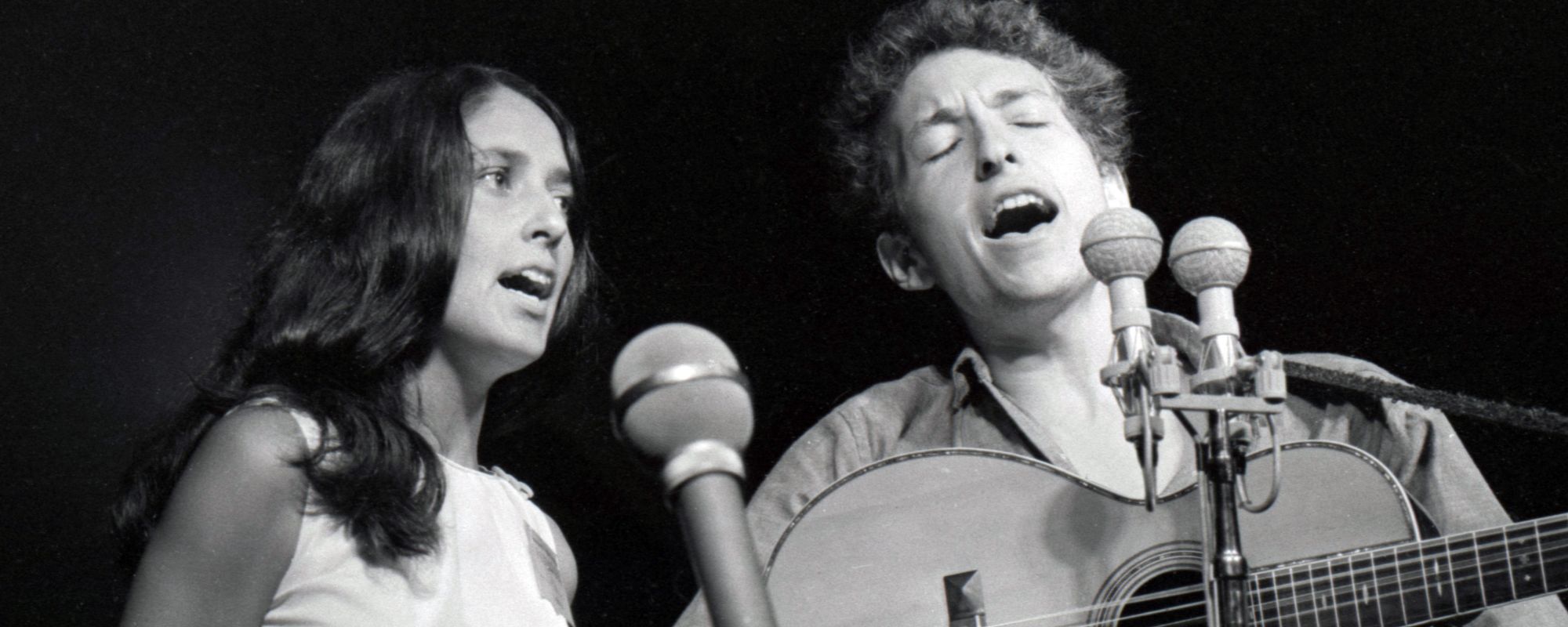
Photo by Michael Ochs Archives/Getty Images





Leave a Reply
Only members can comment. Become a member. Already a member? Log in.