Your cart is currently empty!



On This Day in 1966, Three Massive Folk Rockers Formed One of the First Popular American Bands To Hit the Charts in Wake of the British Invasion
They were around for a good time, not a long time. Beloved folk rock outfit Buffalo Springfield was technically only together from 1966 to 1968. In that short amount of time, they left an important impact on the musical landscape as the British Invasion began to wane. In a way, this psychedelic country rock band paved the way for 1970s folk rock musicians in a big way. And they formed on this very day, March 3, in 1966.
Videos by American Songwriter
The Legacy of Buffalo Springfield
It’s hard to pin down whether or not Buffalo Springfield was meant to be a “response” to the British Invasion. Perhaps it was just the natural evolution of music that swayed the members’ tastes. Plenty of their music seemed to have British Invasion influences, as well as folk, country, and psychedelic influences. And in the end, Buffalo Springfield ended up being a key pioneering band in the early development of what we know as folk rock.
So, how did Buffalo Springfield initially form? The story goes that most of the band’s members, including Neil Young, Stephen Stills, and Bruce Palmer, were trying to make it in the music world. Young and Palmer took a record deal that was cancelled. Stills was unsuccessful in his attempts to join major bands like The Monkees. In the end, they all met in California, along with Richie Furay and Dewey Martin, to form Buffalo Springfield on this day in 1966. They would later debut live at The Troubadour in West Hollywood.
Buffalo Springfield’s first album would drop in 1966, a self-titled effort. Two more albums would follow, the last of which (Last Time Around) would be their highest-charting work on the Billboard 200. The band would come to be known for memorable tunes like “For What It’s Worth” and “Bluebird”. In the end, they would only release three studio albums while they were together.
Sadly, due to a number of drug-related arrests, deportations, and unsatisfactory lineup changes, Buffalo Springfield ended up coming to an end in 1968. The influence of this band, as well as the killer music they made, still lives on in the hearts and minds of folk rock lovers today.
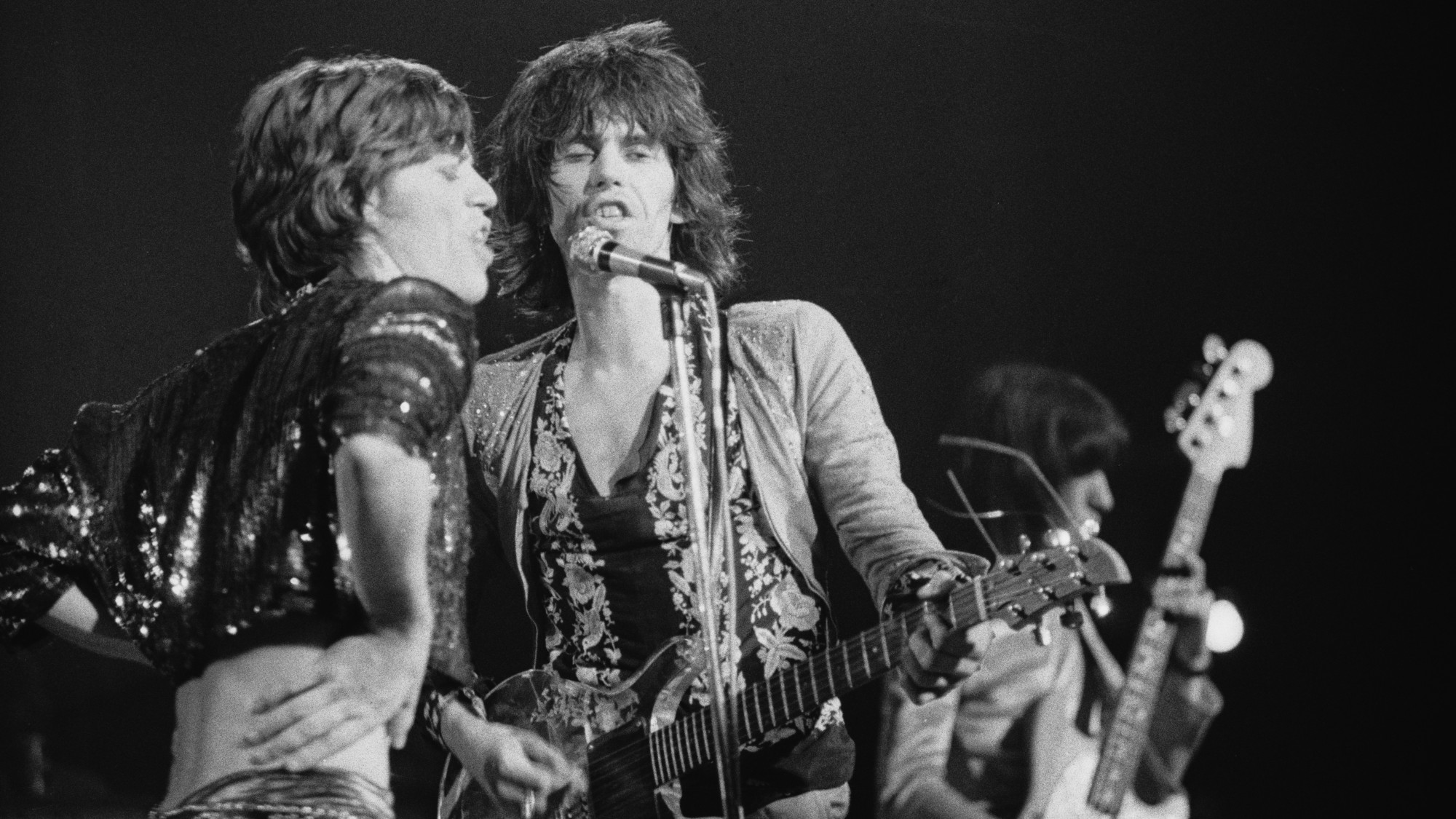
Photo by Michael Ochs Archives/Getty Images
Leave a Reply
Only members can comment. Become a member. Already a member? Log in.