Your cart is currently empty!



On This Day in 1969, Glen Campbell Released a No. 1 Hit That Became an Unintentional Counterculture Anthem and Protest Song
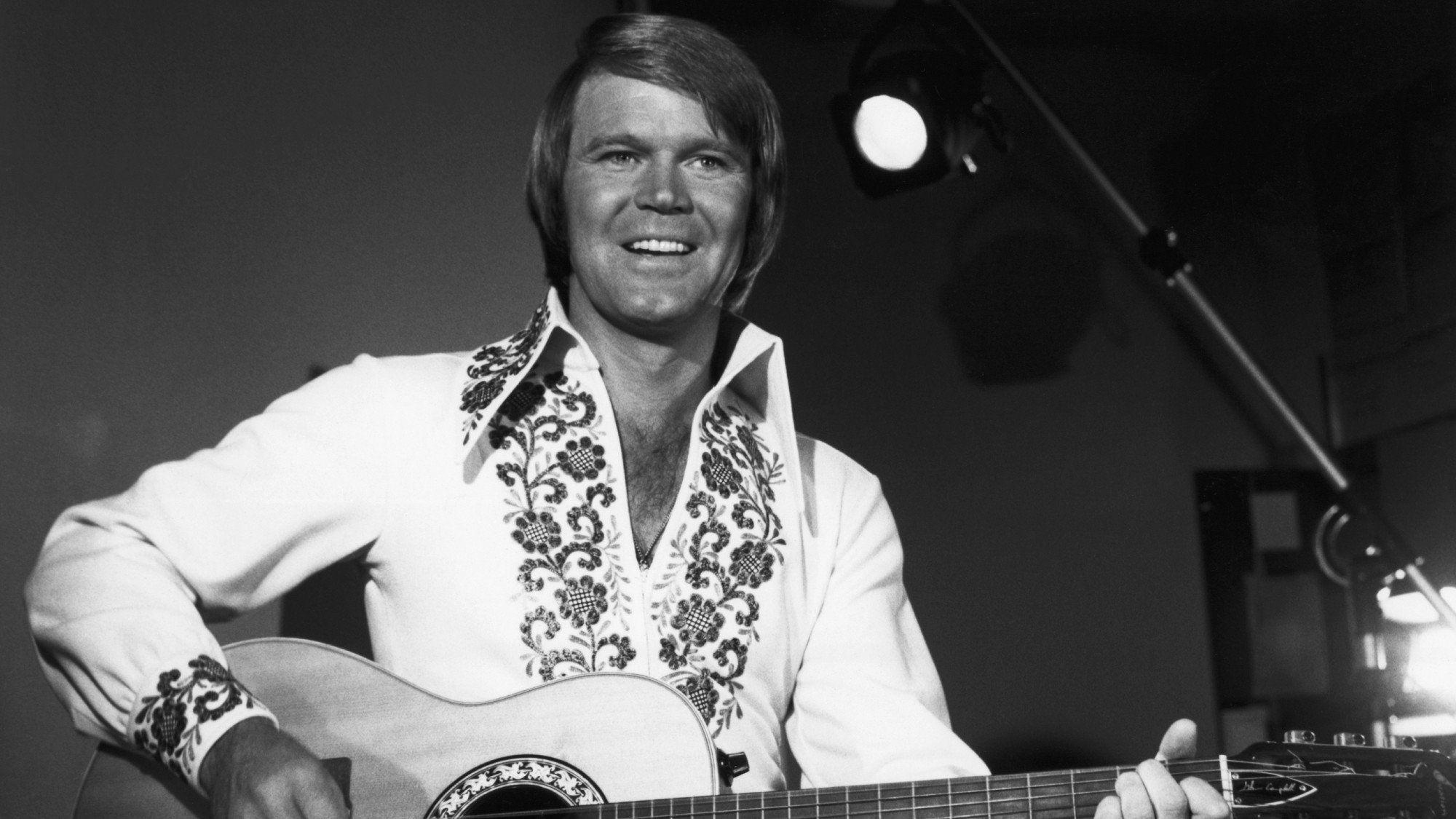
On this day (February 24) in 1969, Glen Campbell released “Galveston” as the first single from the album of the same name. Later that year, it topped the Hot Country Songs chart for three weeks. The song was also a crossover hit, peaking at No. 4 on the Hot 100. Moreover, its lyrics about a homesick soldier combined with the ongoing protests surrounding the American involvement in the Vietnam War made “Galveston” a counterculture anthem and protest song.
Videos by American Songwriter
Before Campbell recorded the Jimmy Webb-penned “Galveston,” he had already had hits with two Webb compositions. “By the Time I Get to Phoenix” went to No. 2 on the country chart and No. 26 on the Hot 100 in 1967. The next year, “Wichita Lineman” topped both charts. However, he wasn’t the first to record the hit that would become an anti-war anthem. Hawaiian artist Don Ho was the first to cut it.
Ho released his version of Galveston as the B-side to “Has Anybody Lost a Love” in 1968. According to Songfacts, he brought the song to Campbell’s attention when he was a guest on The Glen Campbell Goodtime Hour. Ho handed him a copy of the single, telling him, “I didn’t have any luck with this. Maybe you will.”
“Glen was very, very good at commercializing my songs,” Webb later said. “He could come up with great intros and great solos, great breaks, and he wrote perfect strings, because he wrote very little. It was a minimalist approach, and it just left Glen out there with the song and the guitar,” he added.
This Glen Campbell Classic Wasn’t an Anti-War Song
Glen Campbell released this song at the perfect time for it to resonate with those who disagreed with the United States’ involvement in the Vietnam War. In retrospect, it’s easy to see why it became a counterculture anthem.
The song’s narrator is a heartbroken, homesick soldier who hopes that his lady will still be waiting on him when he makes it home–if he makes it home. Lines like I still hear your sea waves crashing / While I watch the cannons clashing / I clean my gun / And dream of Galveston carry the forlorn spirit of the song.
Webb wasn’t particularly happy with how the song was received. “If there was a statement, and obviously I was saying something, I prefer to say it wasn’t anti-war,” he said. “It was more about an individual getting involved in a war and realizing that he’d rather be somewhere else.”
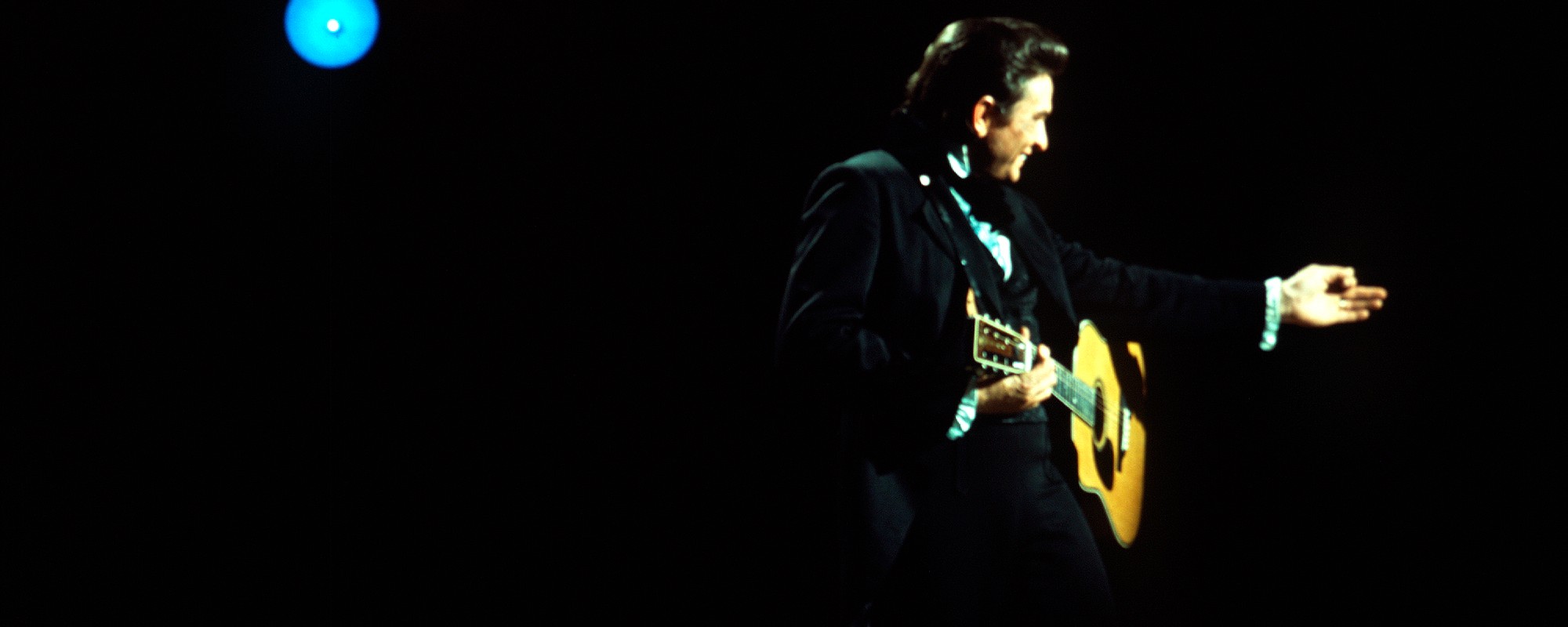
Featured Image by Jasper Dailey/ Michael Ochs Archives/Getty Images




Leave a Reply
Only members can comment. Become a member. Already a member? Log in.