Your cart is currently empty!



On This Day in 1970, Country Icon Merle Haggard Dropped “The Original Angry American Song”
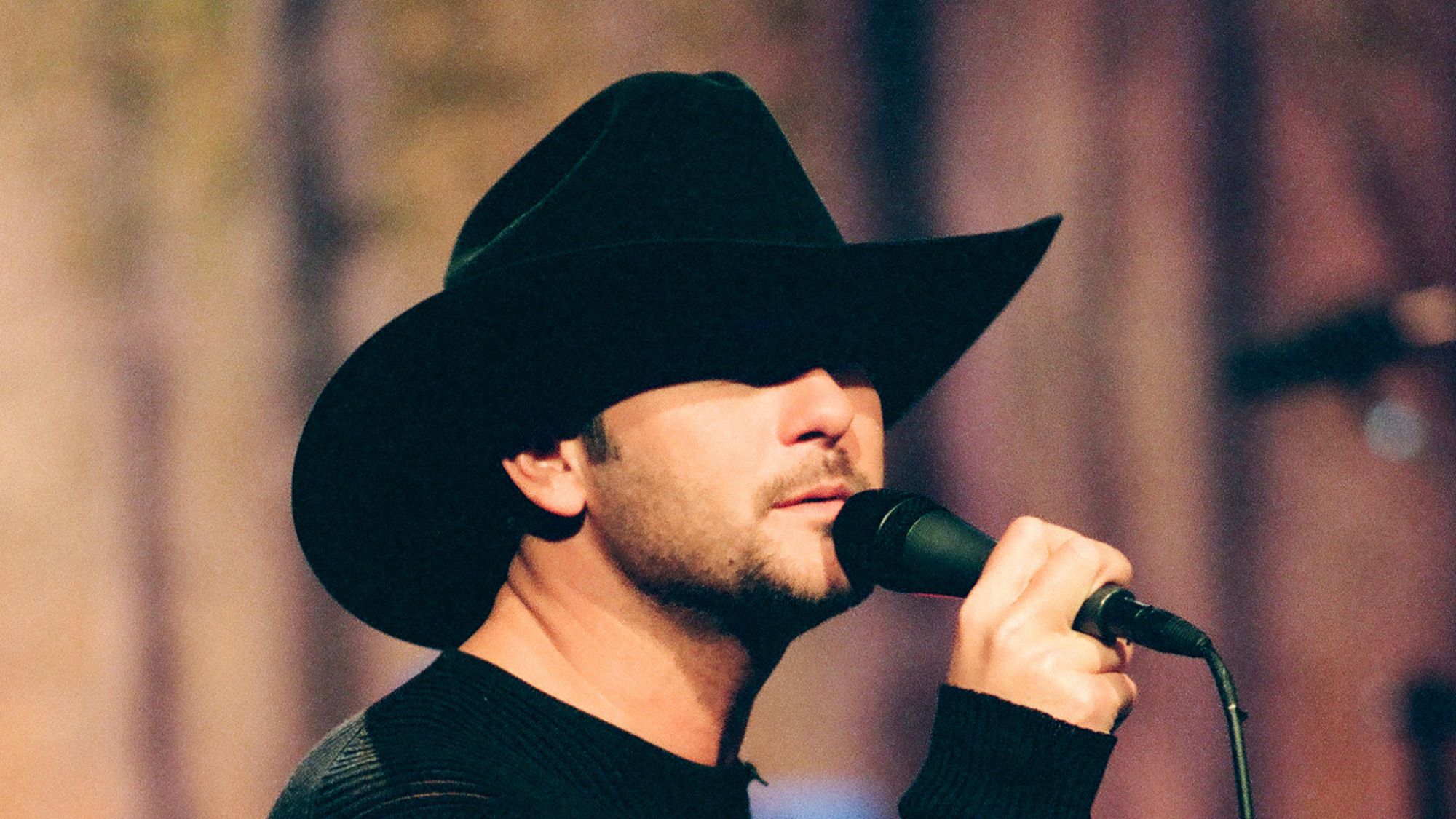
Toby Keith once called this Merle Haggard hit “the original Angry American song”, and giving it a listen back, we can totally see why. On this day in 1970, Haggard topped the US Country chart with “The Fightin’ Side Of Me”, a follow-up to the success of his song “Okie From Muskogee”. The song not only cemented Haggard as a blue-collar voice at the time but also set him up for enduring success.
Videos by American Songwriter
Ironically, even though Haggard chose to get pretty vocal in “The Fightin’ Side Of Me”, he was actually hoping for something a little more neutral after “Okie From Muskogee”. If you’ve never heard “Okie”, you know that it’s quite the anti-hippie anthem, condemning the weed-smoking, LSD-tripping, love-making crowd of the 60s.
To follow, Haggard wanted to drop a song called “Irma Jackson” instead. The song praises interracial relationships, which certainly would have balanced out his image. However, his label, Capitol Records, thought it better for him to stick with the conservative narrative for a little longer. So, in “Fighting Side Of Me”, Merle sang in disapproval of people talking badly about the U.S.
In hindsight, the move worked out well for him.
Where Did Merle Haggard Stand Politically?
Merle Haggard would eventually drop “Irma Jackson” on Let Me Tell You About A Song in 1972. Although it was the first, it wouldn’t be the only Haggard song that surprised his more conservative listeners. Just take 1978’s “The Immigrant”, for example. In the first verse, Haggard sings disapprovingly of the migrant-farmer system.
“American ranching consists of a mansion/ Where illegal immigrants do much of the labor by hand/ They sneak ’em through customs till time comes to bust ’em/ Then haul ’em back over the border to their own native land.”
Speaking on his political stance in 2007, Merle described himself as “not exactly a liberal.”
“I’m a born-again Christian too,” he told TIME, “But the longer I live, the more afraid I get of some of these religious groups that have so much influence on the Republicans and want to tell us how to live our lives.”
Haggard was the stuff of conservative folklore at the start of his career. However, the more you dive into the legend’s discography, you’ll see that he sings for lots of different political voices.
Photo of: Merle Haggard Photo by Michael Ochs Archives/Getty Images
Leave a Reply
Only members can comment. Become a member. Already a member? Log in.