Navigating the music industry often requires artists to go above and beyond in hopes that their effort will be worth the reward. Playing countless gigs until the right “big break” person is in the crowd. Living off scraps to pay for studio time. And in the case of Ray Davies of The Kinks, making two 6,000-mile round trips in the span of a week and a half to prevent the BBC from banning their song.
The song in question was “Lola” from the English rock band’s eighth studio album, Lola Versus Powerman And The Moneyground, Part One. While the song spurred plenty of controversy over its reference to fluid sexuality and gender identity, the lyrics about Lola, who “walked like a woman and talked like a man,” weren’t the ones giving The Kinks grief in the summer of 1970.
Videos by American Songwriter
It was the one about Coca-Cola. And if they had kept it in, the BBC likely would have banned the song from the airwaves, per its corporate policy.
Why Was a Coca-Cola Reference Going to Ban “Lola” From the Radio?
Per the CBC, the British Broadcasting Corporation took exception to The Kinks’ 1970 track, “Lola”, on the grounds of its no-advertising policy in music. Because The Kinks name-dropped a name brand of cola soda, it technically qualified as a brand placement. Thus, “Lola” was at risk of not making it onto the airwaves in the band’s native U.K. Even worse, the band heard about this development while they were thousands of miles away on tour in the United States.
So, Ray Davies had an important question to ask himself: was the effort he would have to put in to rectify the error worth the benefits of doing so? It took him two tries to settle on an answer.
Ray Davies Made Two Last-Minute Trips to London to Record
After The Kinks got word that their U.K. release of “Lola” was delayed due to the BBC flagging it for advertising content, Ray Davies booked a last-minute flight from Minnesota to London to re-record the vocals on May 23, 1970. He planned on replacing “Coca Cola” with “cherry cola,” which bypassed the BBC’s strict brand placement policy by using the generic name for that specific type of soda.
However, he wasn’t thrilled with the take he recorded. But because he was mid-tour in the States, he had no choice but to fly back to America to join his bandmates for their next appearances. A week and a few days later, on June 3, Davies flew back to London to try again. He got the take he was after on this second trip, and the single went through with its release. It would only take a few weeks for Davies to determine that his effort was, in fact, very much worth it.
The Kinks’ “Lola” quickly ascended the charts, hitting the Top 5 around the world, including the U.K. and U.S. It became one of the band’s signature songs and continues to define their musical legacy today. Had The Kinks brushed off the BBC’s pushback and allowed the broadcasting company to ban their track from the air, “Lola” might have had a much different story.
Photo by Tom Hustler/Central Press/Hulton Archive/Getty Images
-

CLARKSTON, MICHIGAN – Shelby Lynne performs at Pine Knob Music Theatre on August 15, 2025 in Clarkston, Michigan. (Photo by Scott Legato/Getty Images) -
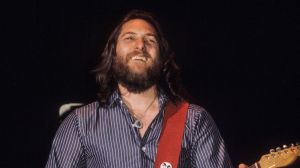
CONCORD, CA – JULY 31: Steve Cropper performs with the Blues Brothers at Concord Pavilion on July 31, 1980 in Concord, California. (Photo by Ed Perlstein/Redferns/Getty Images) -
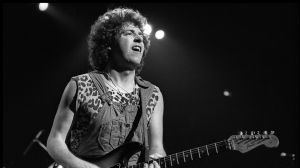
Steve Lukather of Toto performs live on stage at 'Muziekcentrum Vredenburg', Utrecht, Netherlands, 26th September 1982. (Photo by Rob Verhorst/Redferns) -
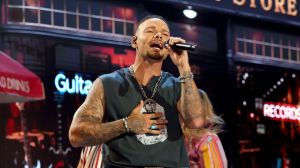
LAS VEGAS, NEVADA – Kane Brown performs onstage during the 61st Academy of Country Music Awards at MGM Grand Garden Arena on May 17, 2026 in Las Vegas, Nevada. (Photo by Kevin Mazur/Getty Images for ACM)