
Comparison is a necessary evil in the music industry that not even mega-stars like Paul Simon could avoid, especially when the songwriter’s contemporaries were immensely talented artists like Bob Dylan and Leonard Cohen. With hits like “The Sound of Silence” and “Mrs. Robinson” under his belt, Simon certainly held his own in this burgeoning music scene of the 1960s. But it wasn’t without struggle.
Videos by American Songwriter
In a 2011 interview with Rolling Stone, Simon reflected on his musical weaknesses, the comparisons between him and his contemporaries, and how he navigated both.
Paul Simon Reflects On Notable Musical Weakness
Being a musician is a delicate balancing act of acknowledging your flaws so that you can improve and knowing when to dismiss perfectionism and accept your talents for what they truly are. Leaning too far in either direction can lead to negative consequences, and that was certainly true for Paul Simon. One-half of the iconic Simon & Garfunkel duo was breaking onto the scene at an interesting time in musical history. Folk music was still immensely popular. But rock ‘n’ roll was starting to push its way into the mainstream, too.
For those that stayed within the realm of folk, much of the public assumed these artists would stick with political or social commentary. Simon focused more on the cerebral, sentimental, and whimsical. “One of my deficiencies is my voice sounds sincere,” Simon reflected to Rolling Stone in 2011. “I’ve tried to sound ironic. I don’t. I can’t. Dylan, everything he sings has two meanings. He’s telling you the truth and making fun of you at the same time. I sound sincere every time. Rock ‘n’ roll has a lot to do with image. If that’s not your strength, people find fault with the work.”
Still, Simon isn’t afraid to acknowledge the influence that Dylan had over the entire songwriting world in the 1960s—including himself. “When we were first signed to Columbia, I really admired Dylan’s work,” Simon said, adding that “The Sound of Silence” “wouldn’t have been written if it weren’t for Dylan. But I left that feeling around The Graduate and “Mrs. Robinson.” They weren’t folk anymore.”
Coming Second To Bob Dylan Was Difficult
Paul Simon and Bob Dylan were both rising stars in the 1960s folk music scene, but only the latter artist achieved almost mythical status thanks to his contributions to the protest music canon. Otherwise, the artists were, at surface level, incredibly similar. They even shared a common record label, Columbia. But rather than fostering a friendship between the two artists, Simon told Rolling Stone that the relationship was a source of tension for him in his early years. “There’s always some kind of comparison between us. I usually come in second. I don’t like coming in second.”
And indeed, who would? Adding to the animosity between the two artists was a particularly contentious Simon & Garfunkel concert at Gerde’s Folk City in Greenwich Village. Dylan was in attendance and reportedly giggled and snickered throughout the folk duo’s performance, much to the artists’ chagrin. Not long after, Simon released a fairly obvious dig at Dylan titled “A Simple Desultory Philippic (Or How I Was Robert McNamara’d into Submission),” which included several references to Dylan lyrics amidst more than a little snark and sass. So it goes.
Simon and Dylan managed to bury the hatchet, a process likely made easier by both achieving their respective stardom. Dylan, for whatever it’s worth, has sung Simon’s praises since. “I’m not Paul Simon,” he told USA Today in 1997. “I can’t do that. I don’t write melodies that are clever or catchy. It’s all very traditionally documented. I consider [Paul Simon] one of the preeminent songwriters of our time. Every song he does has got a vitality you don’t find everywhere.”
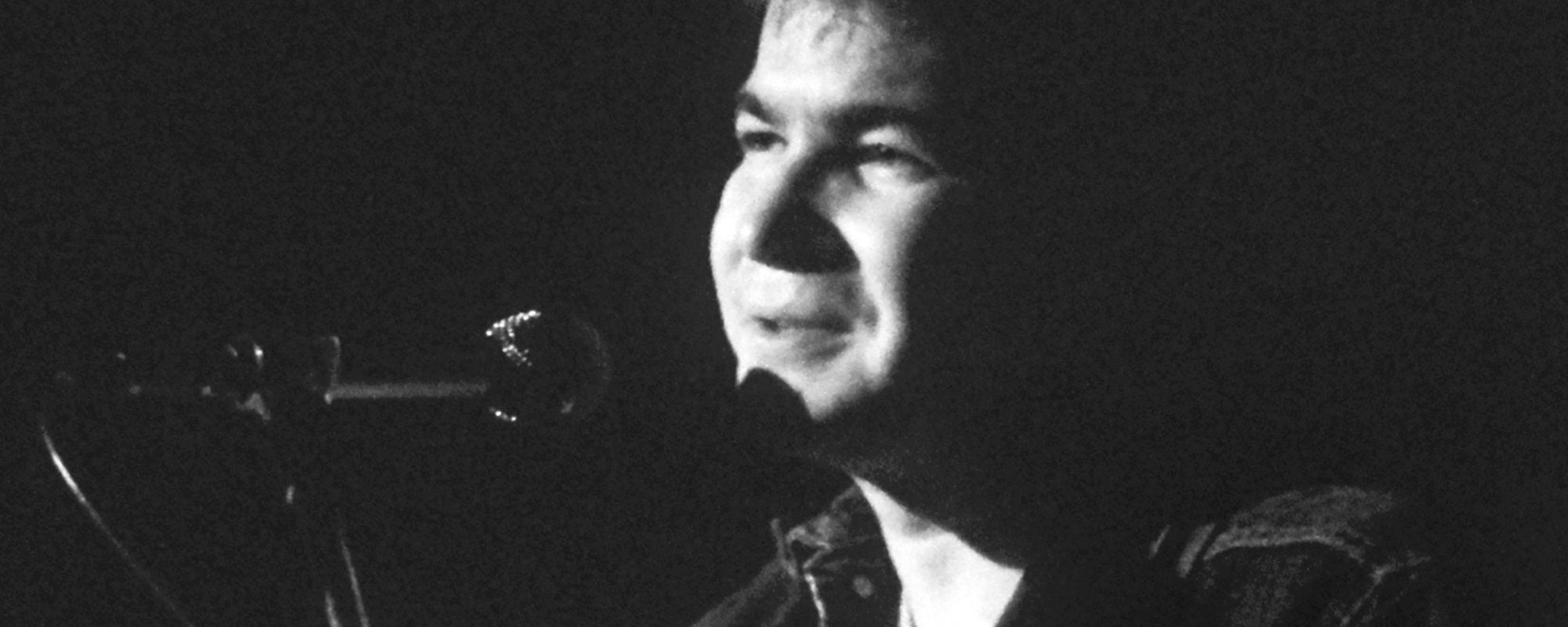
Photo by Ivan Keeman/Redferns



Leave a Reply
Only members can comment. Become a member. Already a member? Log in.