
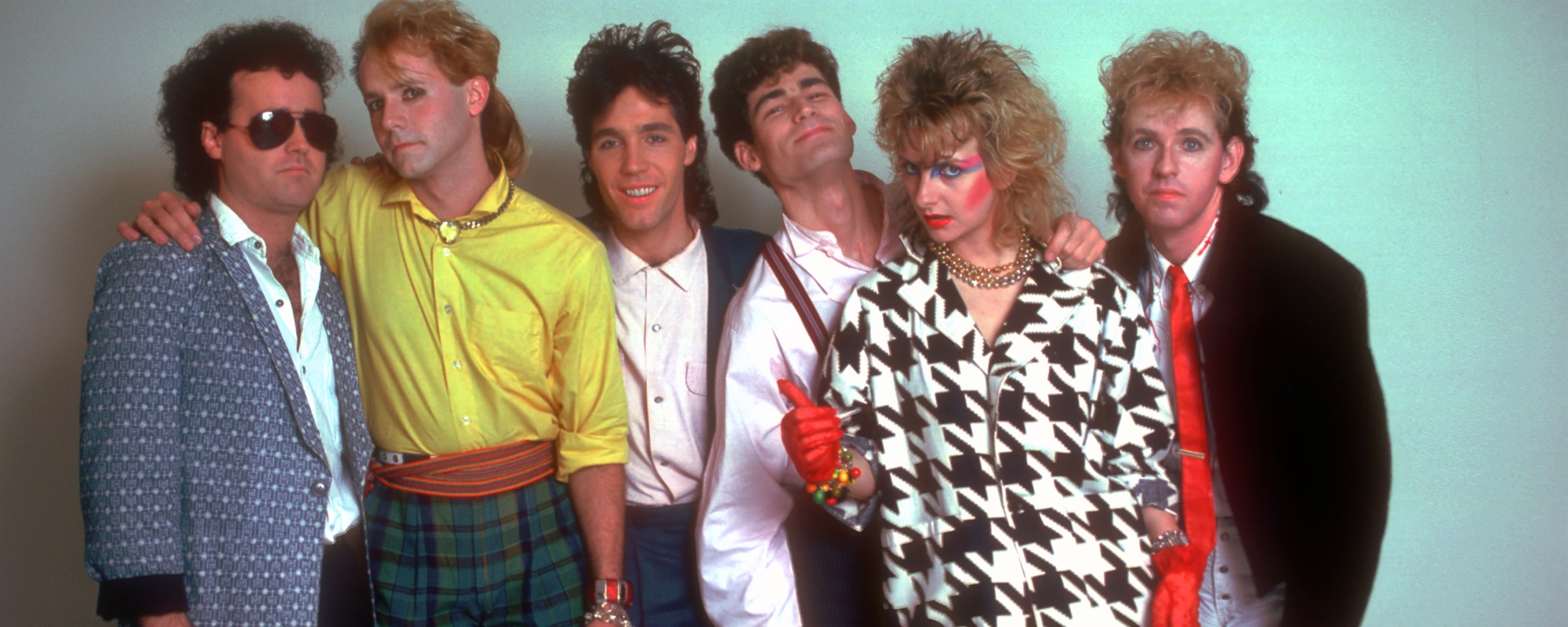
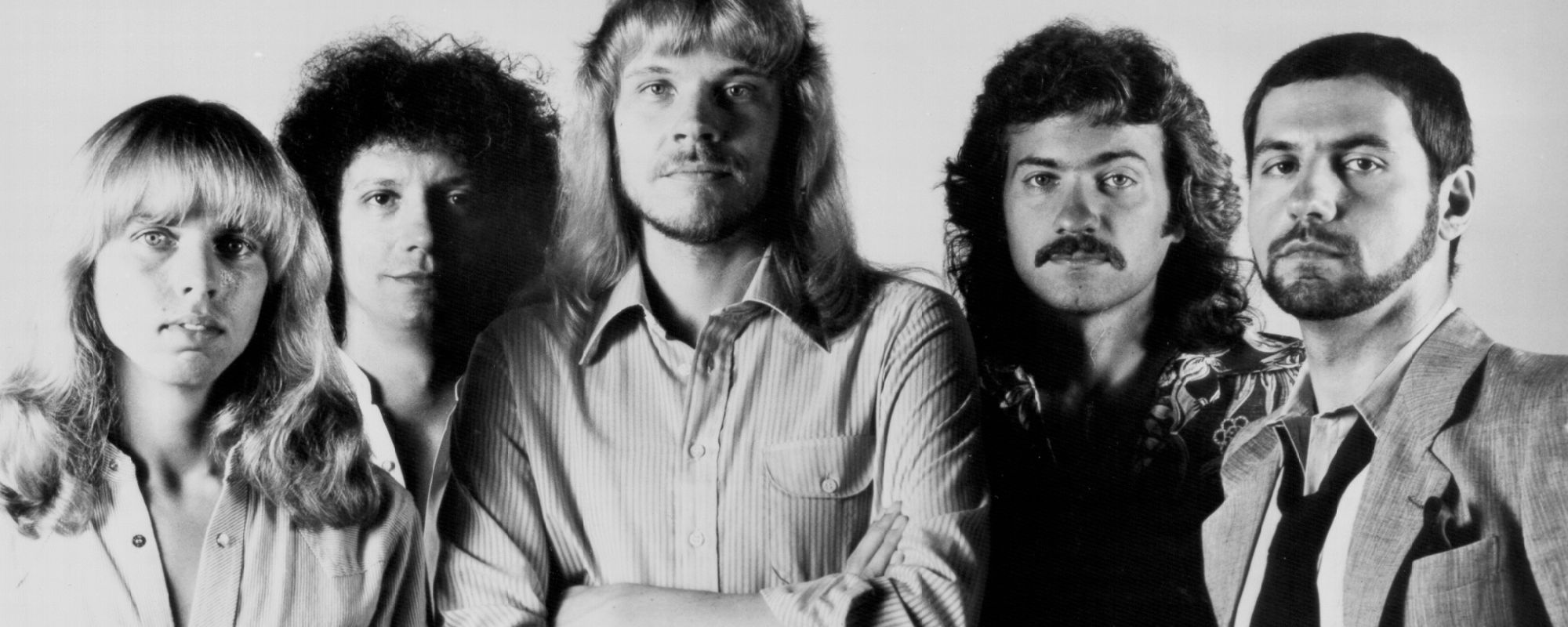
Via their first four albums, The Cars established themselves as one of the most commercially successful bands to come out of the New Wave era. But they wanted to hit a new level on their fifth record.
Videos by American Songwriter
To do that, they hired Mutt Lange, at the time the hottest producer in the business. The Cars ended up with their big hit album, but they also amassed a lot of angst in the process.
Moving to Mutt
The first four Cars albums were produced by the Brit Roy Thomas Baker. And it was difficult to argue with the results. Baker was known for his easygoing, boisterous style in the studio. His methods worked, as the Boston quintet sold a ton of records and churned out a series of hit singles.
But Ric Ocasek, who made many of the artistic decisions for The Cars, decided to change it up for Heartbeat City, released in 1984. Lange, the South African producer, was at the top of his list of producers for the record.
In the previous five years, Lange had helmed massive albums for AC/DC, Foreigner, and Def Leppard. Those albums modernized the sound of mainstream rock with their use of synthesizers and meticulous overdubbing. The Cars bravely jumped into this new world, heading over to London to work in Lange’s preferred environment.
A Long Process
They arrived in the summer of 1983 for what was supposed to be a few months of recording. But by the time the recording process was over in early 1984, the band was frazzled and frayed. Each member of the band had battled with Lange at one time or another.
Lange’s love of the Fairlight synthesizer wasn’t much of a surprise as the band embarked on the sessions. What did surprise them was the level of involvement upon which he insisted. From deciding which songs would be recorded, through demanding endless takes from instrumentalists, to insisting Ocasek rewrite songs, Lange proved a demanding taskmaster.
According to Bill Janovitz’s excellent biography of the band, Let The Stories Be Told, Lange preferred to record drums last, leaving drummer David Robinson struggling to find a place to fit. Guitarist Elliot Easton and bassist Ben Orr both dealt with Lange making them do their parts over and over as he sought perfection.
Even Ocasek became frustrated when Lange tried to get involved enough in the songwriting process to gain credit (which ultimately didn’t happen). In Janovitz’s book, none of the three surviving members displayed much affection for the producer in recollecting the sessions. (The notoriously press-shy Lange hasn’t provided his side of the story about Heartbeat City.)
The Good and Bad
For all the agita he might have caused, Lange did get results. Again, per Janovitz’s book, he was responsible for moving a spoken-word section from “Magic” to “You Might Think”, which was the hit lead single of the record. And he helped transform Ocasek’s demo of the all-time ballad “Drive” by rearranging the rhythm.
Heartbeat City soared upon its release, becoming the biggest-selling album by the band and offering several hit singles. But you could argue that it was a Pyrrhic victory. For one thing, while the album drew in a lot of fans, many diehard Cars supporters disliked the digitalized sound of the record.
On top of that, The Cars interpersonal relationships took a devastating hit. Their follow-up album, Door To Door in 1987, presented a band that seemed a shell of its former self. A year later they announced their breakup. They wouldn’t reform to perform again until after the death of Ben Orr in 2000.
Photo by Bauer-Griffin/GC Images




Leave a Reply
Only members can comment. Become a member. Already a member? Log in.