Your cart is currently empty!



The 1960s Folk Singer Who Thought the Psychedelic Movement Was a Product of “Mass Generational Angst”
The 40 years between 1929 and 1969 are arguably the most culturally defining years in the history of the world regarding mass media and pop culture. The pop culture revolution transpired following World War II in 1945, and more or less, ended in 1969 with Woodstock. With a movement as grand and epic as the development of rock ‘n’ roll and its akin attitudes, such as psychedelic, it’s difficult to truly pinpoint the foundational reasons for it, as there are loads of takes that contradict each other. Nevertheless, an intriguing perspective comes from the boots on the ground source, Donovan.
Videos by American Songwriter
If you are a Donovan fan, then you know he was a fixture in the psychedelic movement of the 1960s. Ultimately, he was a participant, directly and indirectly, in almost every major event the movement entailed. That being said, he obtains an interesting perspective as to why this revolution of culture transpired. Generally speaking, he thinks the youth of the times were yearning for something more transcendental and progressive.
Touching Into Life’s Foundational Elements
Folks who are out of touch with the psychedelic movement might view it as an aimless movement fueled by drug use. Donovan, an advocate for the movement, strongly disagrees with this stereotype. He provided some colorful context around the inception of the cultural shift in a 2018 interview with Goldmine.
“Two world wars and a depression were produced. A mass generational angst ensued resulting in artists like The Beatles, Dylan, Leonard Cohen and others rebelling against the material world and the exploitation of natural resources with absolutely no concern for the delicate balance of the natural world.”
He continued, “It was a total rejection of our forebears. There became a union of man, a brotherhood, if you will, and it’s not religion, and it’s not about waving the flag or love thy neighbor either. You could say psychedelia was a natural response of life-affirming values to a culture of death and stagnation, a deep movement that was clamped down on because we were saying no to the previous generation.”
Concerning the unjust stereotype, Donovan continued, “The inner world had to be explored. We didn’t have yogis or meditation in the West on a mass scale in the early ’60s. It was all in the East. That’s part of why psychedelia eventually moved on into meditation. Psychedelia is not only a few lyrics about getting high, although that’s part of it. It’s a mood.”
Being that the psychedelic movement is far in the past, it’s easy to pin this as just another genre that came and went. However, as Donovan conveniently outlined, it was something far greater to him and the many dedicated to it.
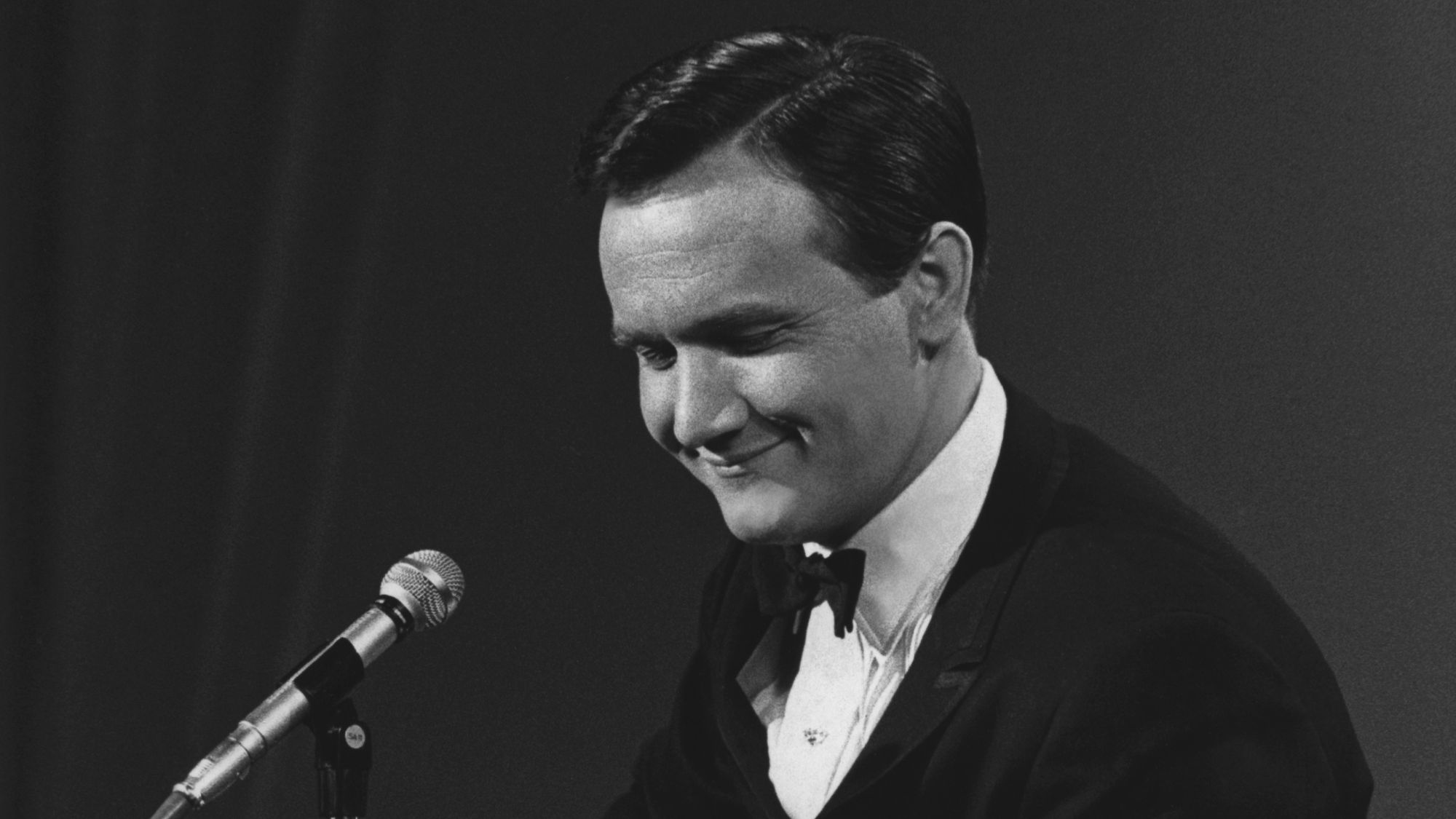
Photo by Evening Standard/Hulton Archive/Getty Images

Leave a Reply
Only members can comment. Become a member. Already a member? Log in.