Your cart is currently empty!


The Avant-Garde Icon Who Hated the Genre He Was Known For: “Everybody in the Band Hated Rock ‘n’ Roll”
Try as an artist might to subvert compartmentalization by the general public, they often have far less control over how an audience perceives them than they’d like. This can be especially frustrating for creatives who find their best work on the fringes of standard categorization. They take bits and pieces of musical influences—and a fair bit of innovation—to create something that defies definition by definition. Frank Zappa, a pioneering figure in avant-garde, eccentric rock ‘n’ roll, was no exception to this phenomenon (or to the disdain toward it).
Videos by American Songwriter
In a 1983 interview with Down Beat, Zappa reflected on how few guitarists there were to watch in his childhood hometown of Lancaster, California. “There were no local groups, and as far as touring groups or anything, nobody at that time came to Lancaster,” he recalled. And while it would have been easy to assume that an aspiring guitarist in the late 1950s would gravitate toward the burgeoning rock ‘n’ roll genre, Zappa and his classmates-turned-bandmates were different.
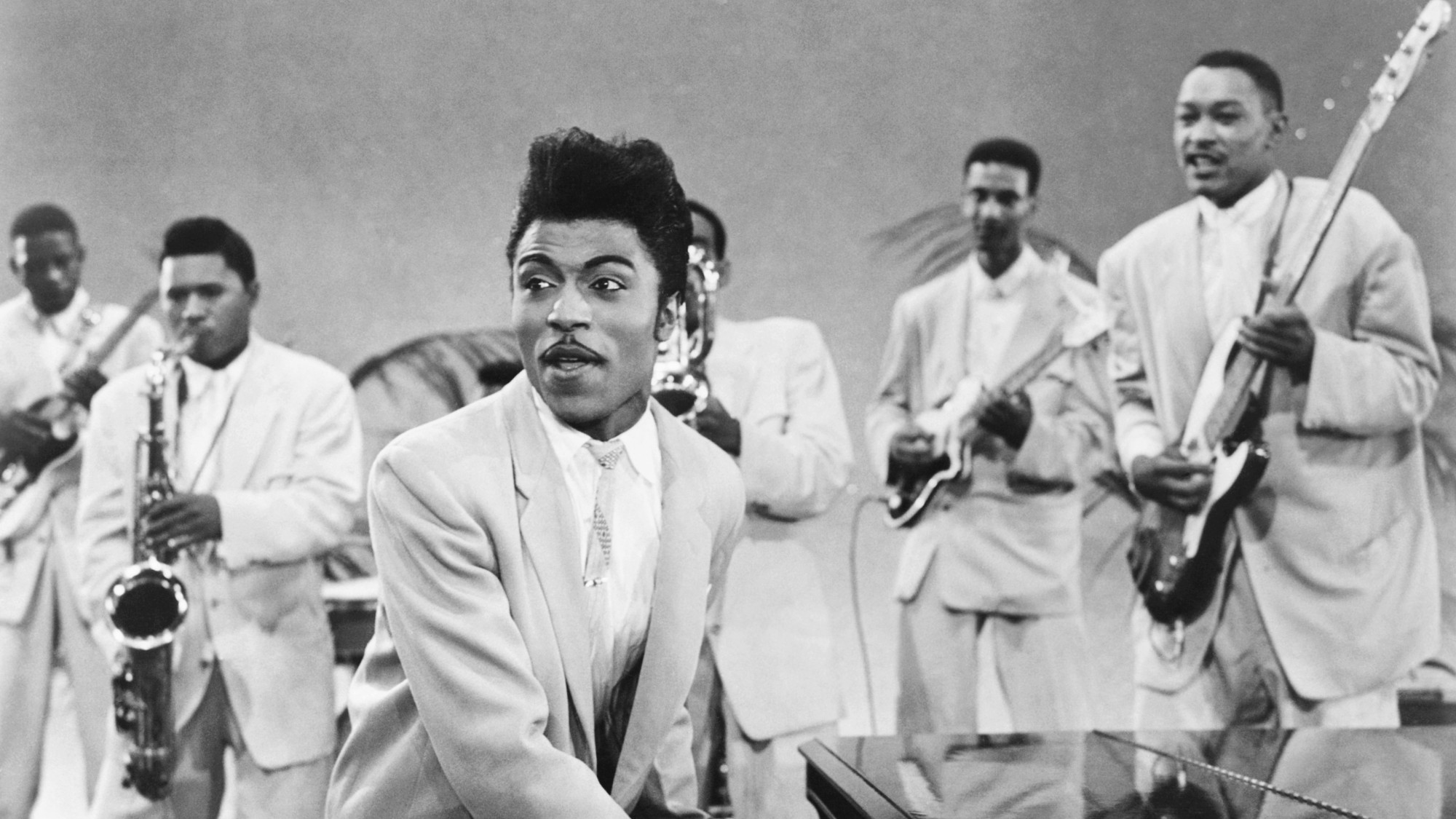
“My band played strictly rhythm and blues music,” Zappa said of The Blackouts, his high school band. “We didn’t know any rock ‘n’ roll songs. In fact, everybody in the band hated rock ‘n’ roll. Rock ‘n’ roll was that horrible Elvis Presley kind of hillbilly music. I liked Howlin’ Wolf and Jimmy Reed and that kind of stuff.”
How Frank Zappa Turned His Aversions Into a New Kind of Rock ‘n’ Roll
Frank Zappa might have hated the “hillbilly music” of Elvis Presley that was considered rock ‘n’ roll in the late 1950s, but he couldn’t escape the genre forever. Whether as a solo artist or alongside the Mothers of Invention (and even when he was influencing the genre in indirect ways), Zappa is inextricably linked to rock music. The only problem when he was in The Blackouts was that the kind of rock music he would create wasn’t around. The Mothers hadn’t invented it yet. And considering Zappa’s other comments in his 1983 interview, it’s no surprise he would have turned his nose up at the kind of “rock music” that existed three decades earlier.
Zappa celebrated the tone of a “good ol’ distorted electric guitar,” calling it a “universe of sound that transcends the actual noise that is coming out. It just says something that no other instrument says. It has emotional content that goes beyond other instruments. And nothing is more blasphemous than a properly played distorted guitar. It is capable of making blasphemous noises.”
The avant-garde rocker went on to describe guitar tones as “extremely evil-sounding” and “smutty,” adding that he believed the best guitar playing matched speech patterns, not scales. “If you listen to a guy playing nice, neat scale patterns and things like that, no matter how skillful he is in making his stuff land on the beat, you always hear it as music. Capital ‘M’ music. If you want to get beyond music into emotional content, you have to break through that and just talk on your instrument.”
“That’s what I appreciated about those early solos by Guitar Slim and Johnny Guitar Watson,” he added. “There was no f***ing around. They got right to the point.”
Photo by Brian Rasic/Getty Images
Leave a Reply
Only members can comment. Become a member. Already a member? Log in.