
Bruce Springsteen’s career, for the most part, has delivered consistent excellence right from the start. But there was a significant stretch where Springsteen, at least in terms of what you would call rock music, went without putting out an undeniably classic album.
Videos by American Songwriter
Many people point to The Rising in 2002 as the moment when The Boss regained his rock footing. But we’re here to argue that it was five years later, with Magic, that Springsteen once again brought the heat with a rock-based album.
Moving Away from Rock
Bruce Springsteen had to be convinced to make Born In The U.S.A., released in 1984, a crowd-pleasing, pop-rock album. He had enjoyed the insular process of making Nebraska, which arrived two years before, so much that he thought he might want to continue in that direction.
To satisfy these warring parts of his artistic persona, Springsteen, from that point forward, often dedicated specific albums to a specific sound or theme. And, for a period of 15 years, he didn’t dabble much in rock at all.
The one exception in that stretch from 1987 to 2002 was in 1992, when he released a pair of albums with rock leanings. Human Touch featured a new band of studio pros replacing his trusted E Street Band. Lucky Town was more of a DIY affair. Despite being highly anticipated and publicized, neither of those albums wowed the fan base.
Return to E Street
Part of the reason why Bruce Springsteen shied away from rock-based music for that long stretch is that he didn’t have The E Street Band behind him. After the dual albums from ’92 mentioned above, he released just one album in the 90s: the folk-based The Ghost Of Tom Joad in 1995.
On stage, however, Springsteen moved back in that direction when he reunited The E Street Band towards the end of the decade for a massively successful reunion tour. It made sense that he’d record again with the band. But any thoughts of making a good-time return to past glories with his buddies were doused when 9/11 occurred. Springsteen turned his attention to writing an album based on his reflections on that terrible event.
That album, The Rising, arrived in 2002. It’s hard to judge that record fairly because Springsteen was so nobly tackling such a difficult topic. But his need to articulate his feelings seemed to supersede efforts to allow The E Street Band to do their thing. Instead of the R&B-based sway of the 70s and 80s, The Rising offered a grinding rock approach that sounded sterile and anonymous.
Working His ‘Magic’
Let’s be honest here: There are many people who love The Rising. But for our money, Bruce Springsteen’s true return to rock glory came five years later with Magic. It combined an incisive set of lyrics from the Boss with some of the old looseness and swagger that epitomized some of his finest albums from the 70s and 80s.
Songs like “Livin’ In The Future” and “Girls In Their Summer Clothes” let Springsteen and company indulge their love for the sounds of 60s rock. The opening track, “Radio Nowhere”, features the band at their fiercest. And the three-song stretch near the end of “Last To Die”, “Long Walk Home”, and “Devil’s Arcade” calls to mind Darkness On The Edge Of Town in the way that they tackle the topics of the day while still providing propulsive, moving music.
Still coming off that musical high, Bruce Springsteen and The E Street Band returned just two years later with the equally fine (albeit way more underrated) Working On A Dream. Three years after that, Wrecking Ball hit even more dizzying heights. Magic deserves credit for spurring this rock resurgence in Springsteen’s brilliant career.
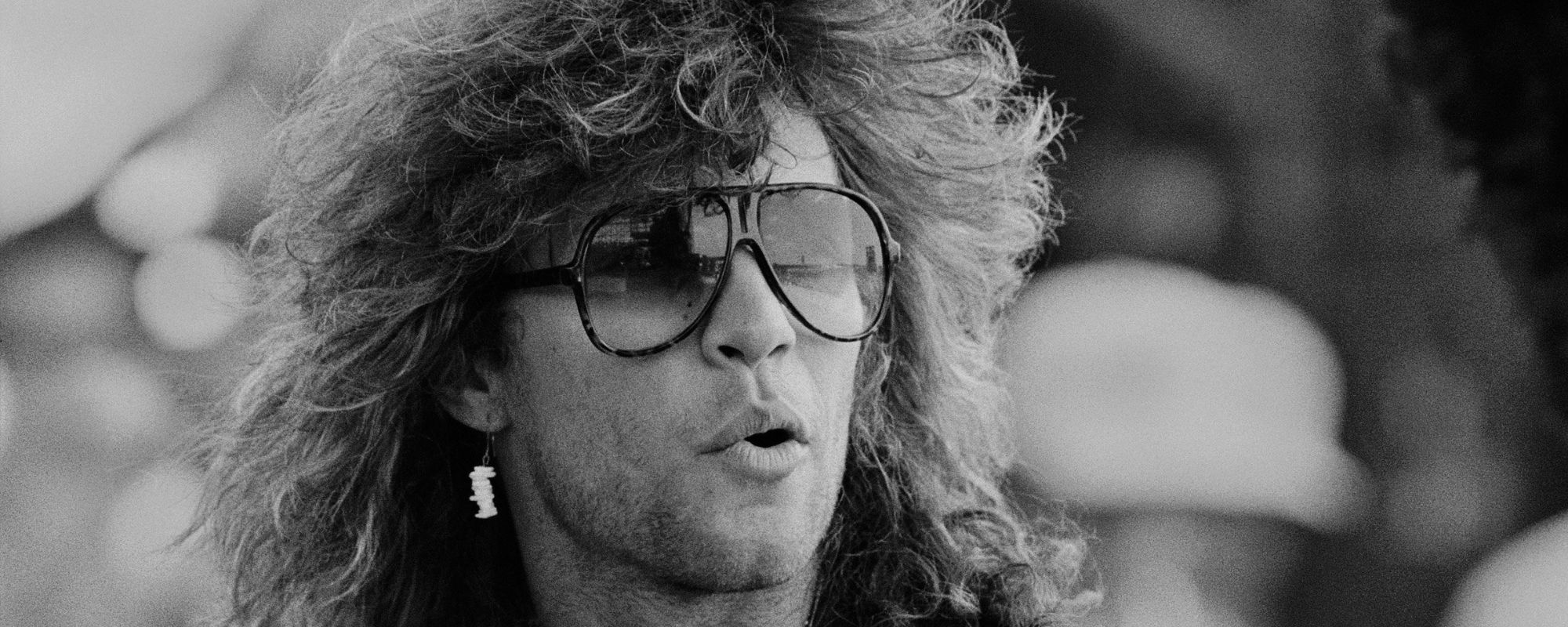
Photo by Sergione Infuso/Corbis via Getty Images



Leave a Reply
Only members can comment. Become a member. Already a member? Log in.