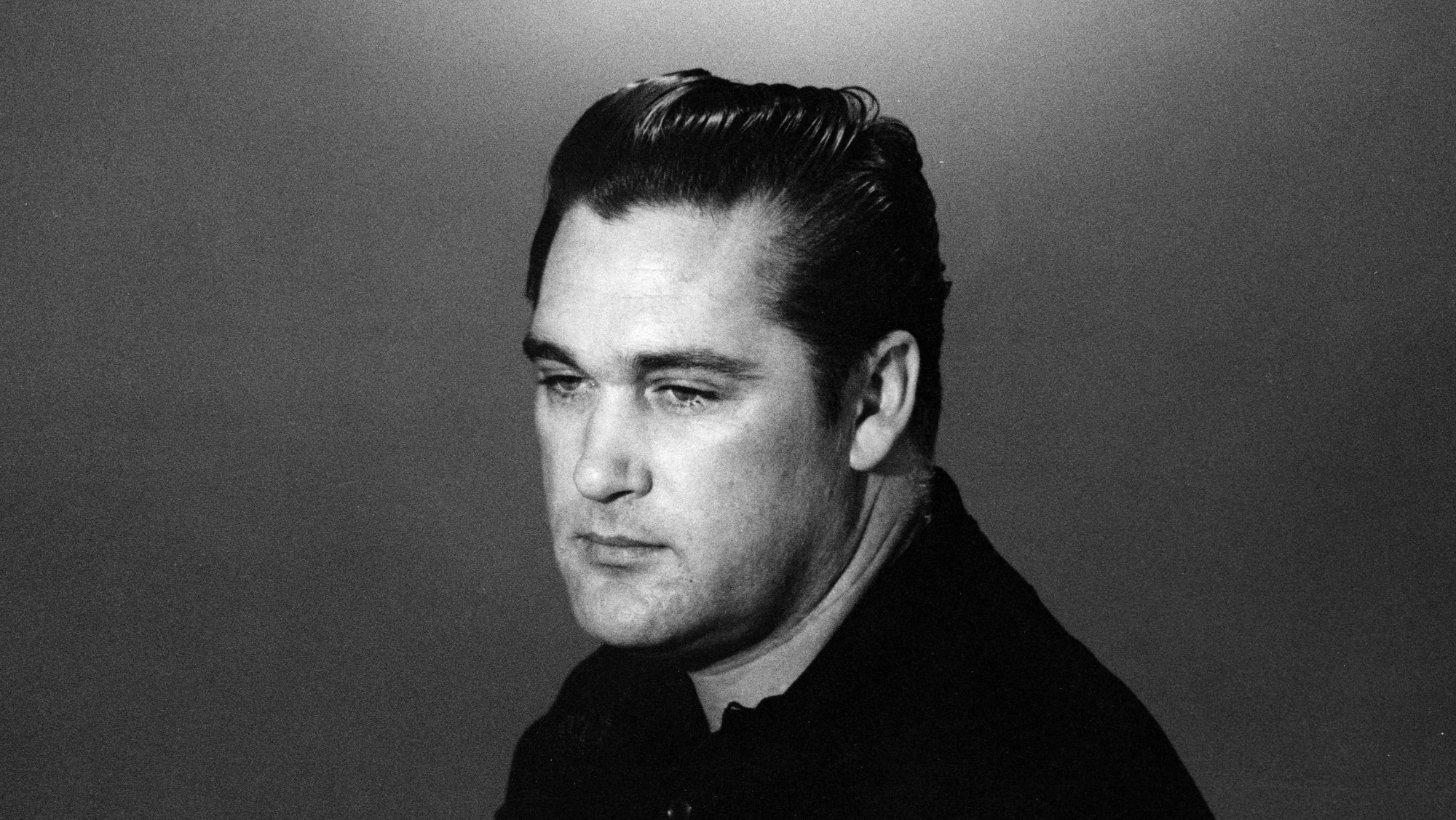
According to Sun Records founder Sam Phillips, 1950s rockabilly star Charlie Feathers “could have been the George Jones of his day.” It’s not quite clear why Feathers never reached the same stratosphere of fame as Sun labelmates Elvis Presley and Jerry Lee Lewis. It could have been his personality, often characterized as brash and aggressive. Or perhaps it was his unique vocal style — an energetic, hiccupy screech that shows up in the work of modern-day rock vocalists like the Cramps’ Lux Interior.
Whatever the reason, Feathers never received his flowers prior to his death on this day (August 29) in 1998, following complications from a stroke-induced coma at age 66. In the subsequent decades, however, his star has risen posthumously, with music experts acknowledging his substantial impact on the rockabilly genre. In fact, Quentin Tarantino enthusiasts may recognize the Rockabilly Hall of Famer’s songs “That Certain Female” and “Can’t Hardly Stand It” from Kill Bill: Volumes 1 and 2, respectively.
Videos by American Songwriter
Today, we’re honoring the talent and tenacity of Charlie Feathers on the 28th anniversary of his death.
Charlie Feathers Had a Third-Grade Education
Born June 12, 1932, in Holly Springs, Mississippi, Charles Arthur Feathers grew up poor in a family of tenant farmers. By age 10, he had left school to work on oil pipelines with his father in Illinois and Texas.
While Feathers barely learned to read or write his name, the young boy received a proper guitar education from his neighbor, the Hall of Fame blues musician Junior Kimbrough.
In 1950, he moved to Memphis, working for a box manufacturer until a bout of spinal meningitis sidelined him. The radio was a daily staple during his recovery in the hospital, and Feathers walked out of the building determined to make it as a singer.
By 1954, he had found his way to Sun Studio, playing any side instrument he could in hopes of getting a foot in the door of the industry. While Feathers frequently claimed that he played a key role in multiple Elvis Presley hits — “That’s All Right” and “Blue Moon of Kentucky”, for example — his only writing credit connected to the King was a shared one for ”I Forgot to Remember to Forget”.
A Rockabilly Legend
For both Meteor and King Records, Charlie Feathers’ recorded singles include “Peepin’ Eyes”, “Defrost Your Heart”, “Tongue-Tied Jill” and “Bottle to the Baby”.
With a voice described by the Independent as “Buddy Holly on speed,” Feathers recorded multiple albums between 1973 and his death in 1999.
Gaining a following in Europe during the 1970s, he spent the following decade mostly performing in Memphis nightclubs with his son and daughter.
According to Sam Phillips, Charlie Feathers’ mercurial temperament was his primary barrier to stardom.
“Charlie Feathers was always difficult to work with and that’s why we never got the best out of him,” Phillips once said, per the Independent. “That’s too bad because he could have been a superb top country artist, the George Jones of his day.”
Featured image by Charles Paul Harris/Michael Ochs Archives/Getty Images
-
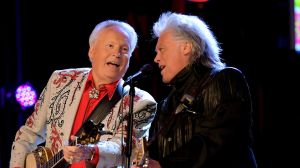
NASHVILLE, TENNESSEE – Buck Trent performs with Marty Stuart and his Fabulous Superlatives at the second of three Marty Stuart Artist-in-Residence Shows at Country Music Hall of Fame and Museum on September 18, 2019 in Nashville, Tennessee. (Photo by Jason Kempin/Getty Images for Country Music Hall of Fame and Museum) -
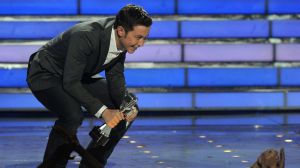
LOS ANGELES, CA – Singer Scotty McCreery is announced the season's 2011 American Idol winner during Fox's "American Idol 2011" finale results show held at Nokia Theatre LA Live on May 25, 2011 in Los Angeles, California. (Photo by Kevin Winter/American Idol 2011/Getty Images) -

NASHVILLE, TENNESSEE – Megan Moroney poses backstage during the 19th ACM® Honors™ at The Pinnacle on August 19, 2026 in Nashville, Tennessee. (Photo by John Shearer/Getty Images for ACM) -
Charlie Rich, who released several hit songs featuring Pete Drake on steel