Your cart is currently empty!


3 Classic Country Music Songs That Were Banned, but Still Became Major Hits
Back in the 20th century, the world of country music held onto some more traditional thoughts that got a couple of progressive artists in trouble. Despite this trouble, their songs went on to become hits and consequently have gone down in history as necessary subversions against societal norms. With all that in mind, here are three classic country music songs that were banned but still became major hits.
Videos by American Songwriter
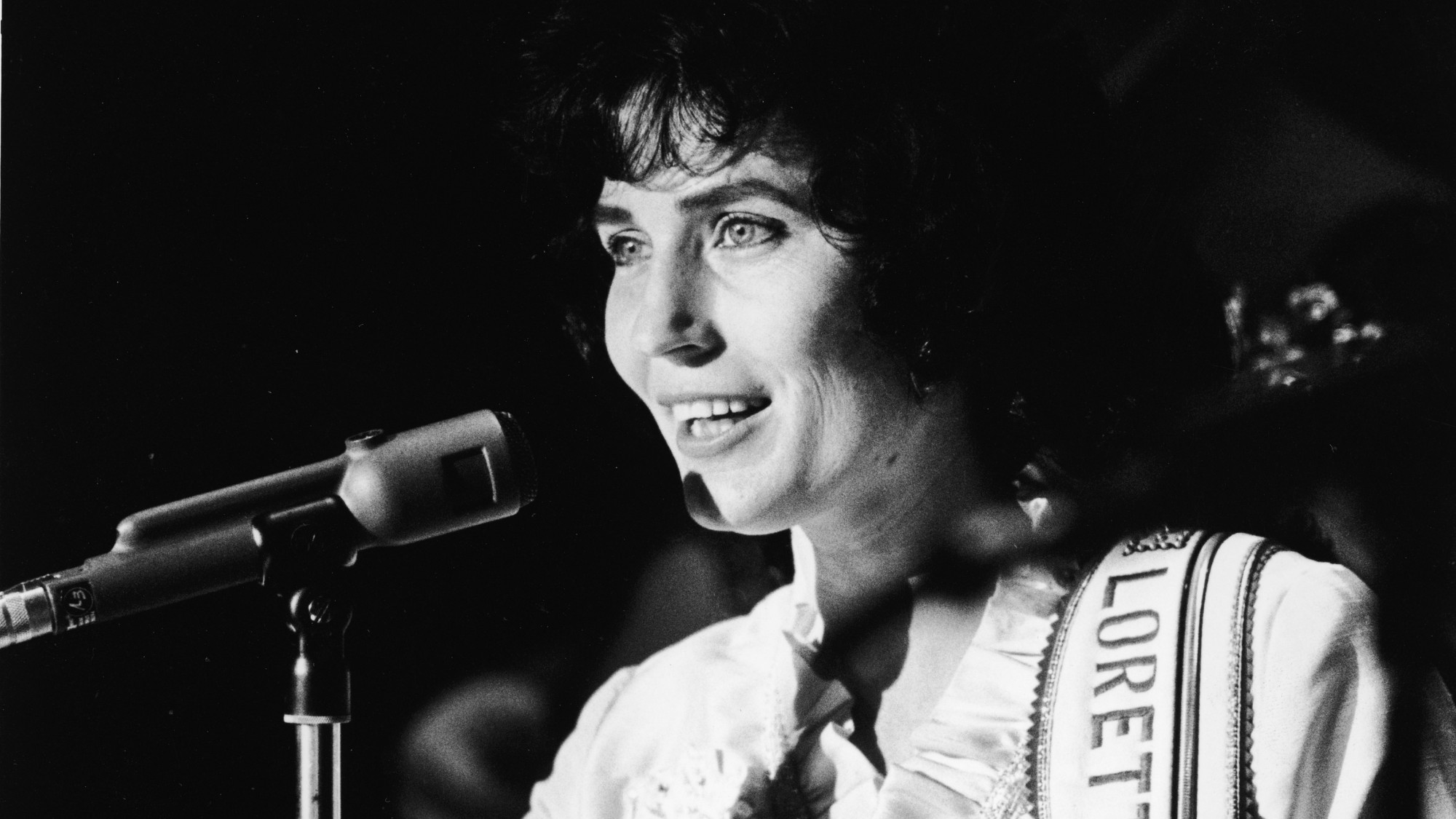
“The Pill” by Loretta Lynn
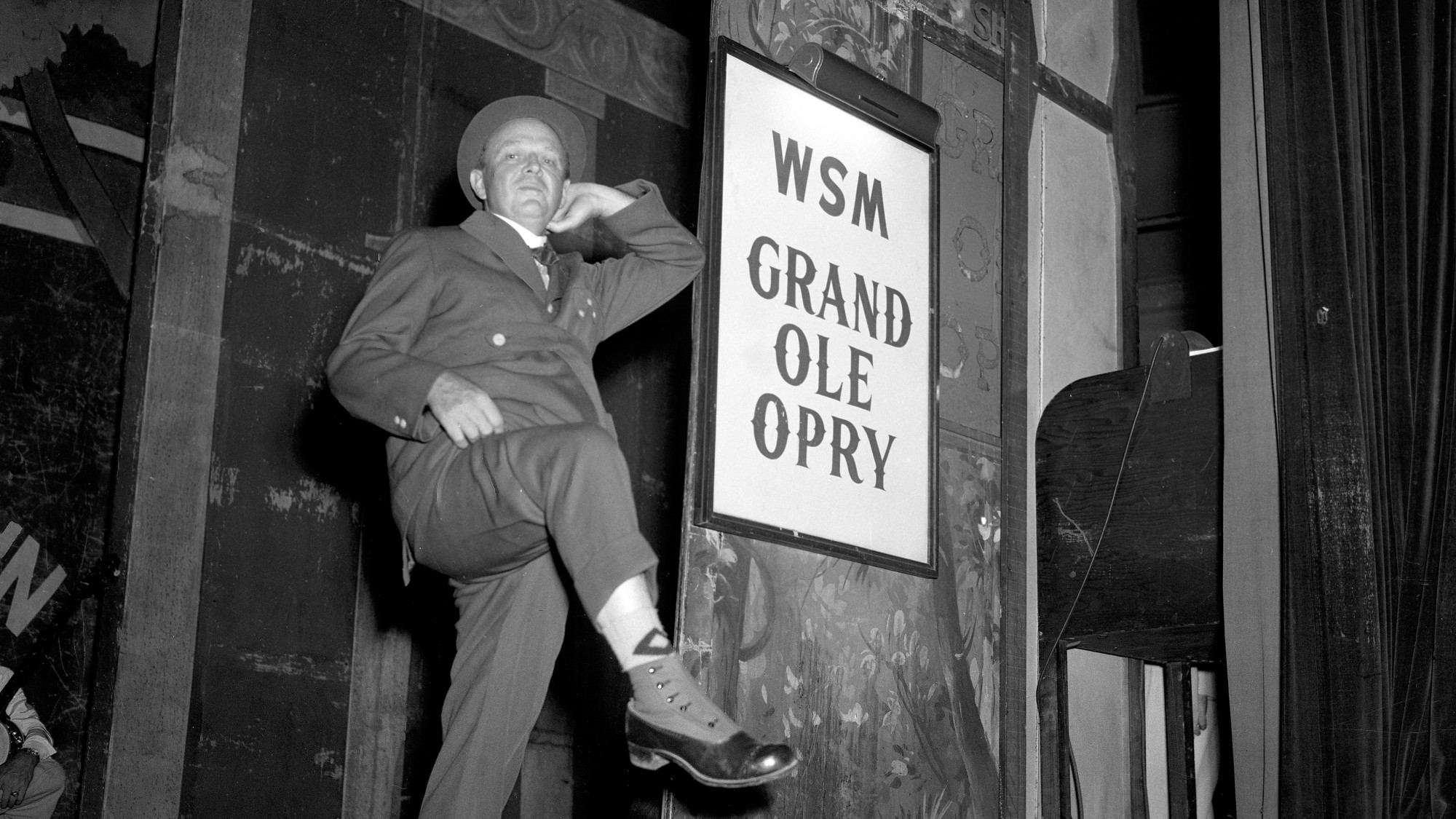
When it comes to the discussion of country music censorship, Loretta Lynn‘s “The Pill” is likely the most notable example. Following its release, 60 country radio stations across the United States were forced to remove the song due to the song’s open discussion about birth control. Furthermore, the Grand Ole Opry nearly banned the song for the same reason.
Despite the backlash, Loretta Lynn’s single still went on to become a hit, as it peaked at No. 5 on the Billboard Hot Country Singles chart. Additionally, the song landed at No. 70 on the Billboard Hot 100. Needless to say, when an entity tells the masses they can’t do something, they are going to do the exact opposite.
“It Wasn’t God Who Made Honky Tonk Angels” by Kitty Wells
In 1952, Hank Thompson’s “Wild Side Of Life” lyrically claimed that promiscuous women were to blame for men’s marital affairs. Subsequently, Kitty Wells released “It Wasn’t God Who Made Honky Tonk Angels”, flipping the blame and putting the spotlight on men’s infidelity. Due to the subject matter and its relation to the male-dominated country music industry, the NBC radio network and the Grand Ole Opry banned the song.
The ban was incredibly beneficial for Wells, as she became the first female country artist with a solo No. 1 hit. Following its release, this bombshell of a track landed at No. 1 on the Billboard country charts. Furthermore, it also went on to sell 800,000 copies, and to this day is a testament to free expression.
“There Stands The Glass” by Webb Pierce
For nearly the last 20 years, every other country song has featured alcohol references. However, back in the 1950s, doing so was taboo. That being so, radio stations across the country banned Webb Pierce‘s “There Stands The Glass” due to its glorification and commentary on alcoholism.
Alcohol references in country music were seemingly inevitable; if Webb didn’t do it first, somebody else would have. Regardless, he was one of the first to do it, and in light of the bans, Webb’s song still sat at No. 1 on the Billboard country charts for 12 weeks.
Photo by Michael Ochs Archives/Getty Images

Leave a Reply
Only members can comment. Become a member. Already a member? Log in.