Your cart is currently empty!



3 Hit Songs From the 1960s That Became Hits Partially Thanks to Their Two-Part Harmonies
Distorted guitar, multi-track recordings, and poetic lyrics are just a few of the musical attributes of the 1960s, and another to add to that list is two-part harmonies. Throughout the 1960s, artists utilized two-part harmonies for an angelic effect that immediately enthralled the listener into the song in question. It was common practice, and benefited a ton of famous musicians. Including these three, whose hit songs became hits seemingly due to their use of a two-part harmony.
Videos by American Songwriter
“Please Please Me” by The Beatles
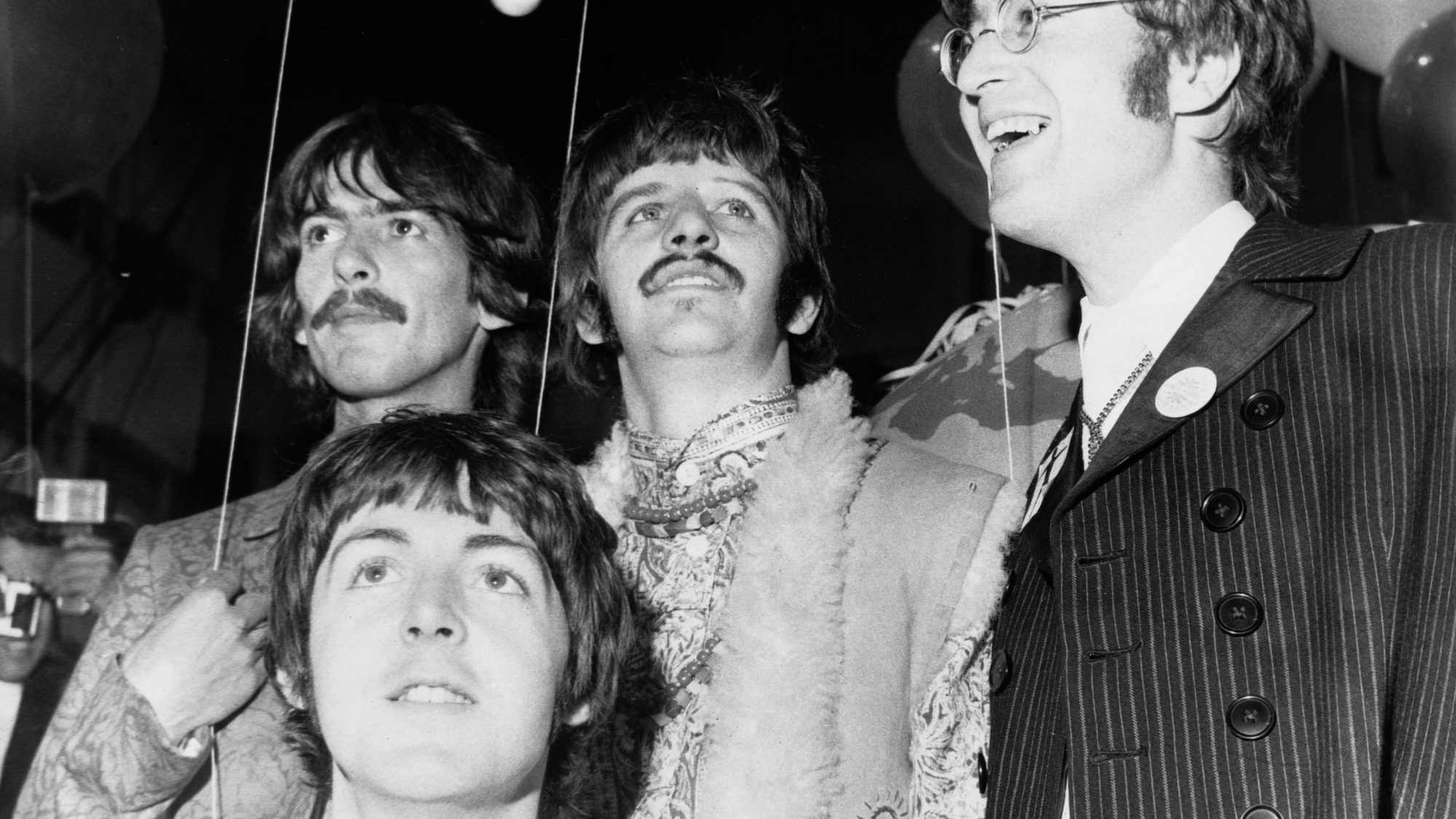
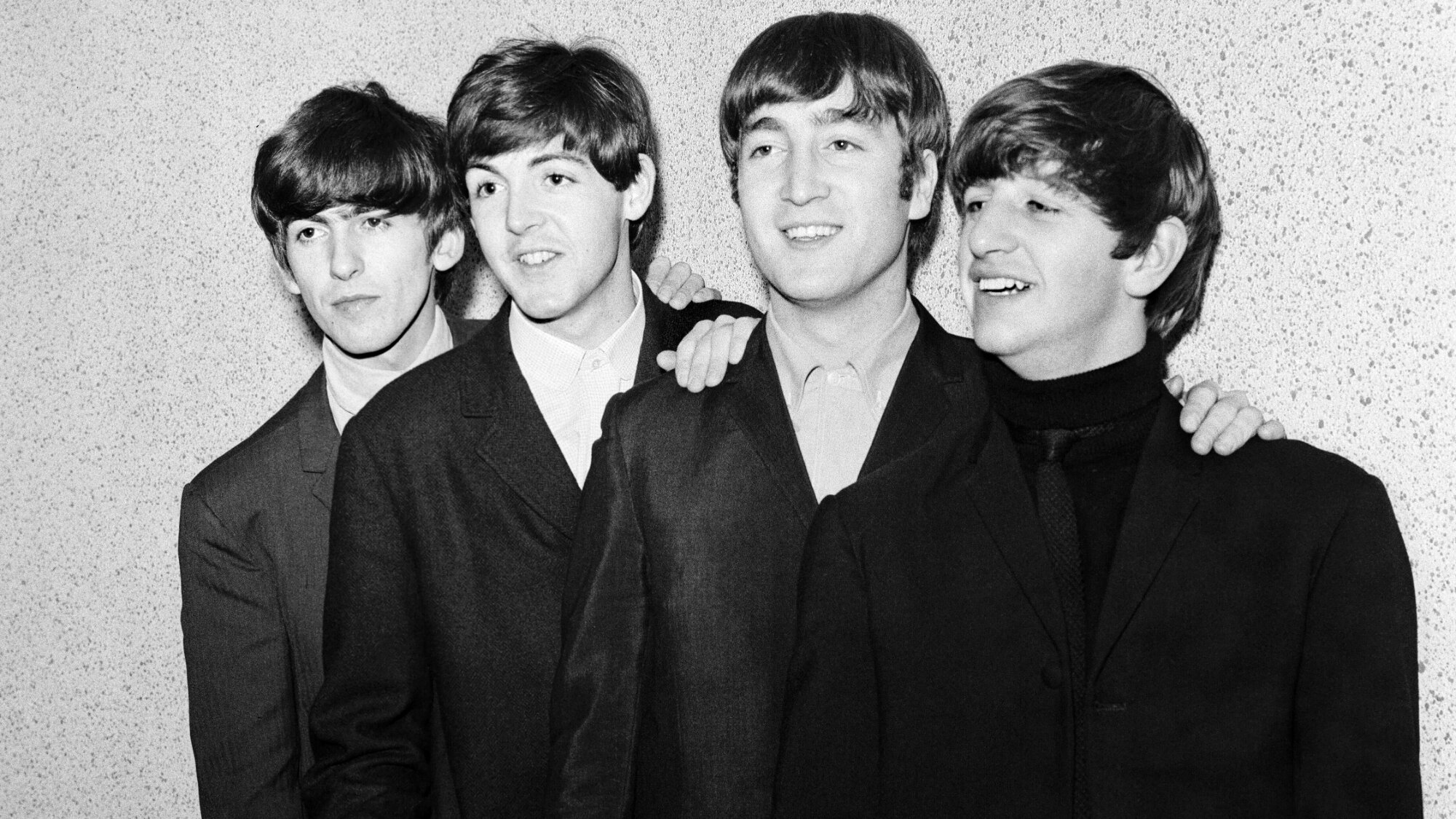
The Beatles did not invent two-part harmonies, but they did make them a staple in the 1960s music scene. Frankly, it seems that every other Beatles song of their early days featured a two-part harmony. Unfortunately, we are only picking one, and that one is their 1963 single, “Please Please Me”.
Following its 1963 release, “Please Please Me” did what most Beatles songs did—climbed to the top of the charts. Specifically, “Please Please Me” and its two-part harmony peaked at No. 5 on the Billboard Hot 100.
“Don’t Worry Baby” by The Beach Boys
When it came to singing two-part harmonies, the second best, or arguably the best, band to do so was The Beach Boys. Like The Beatles, The Beach Boys’ work features many uses of two-part harmonies, both vocally and instrumentally. One of the more notable songs that does so is their 1964 single, “Don’t Worry Baby”.
There are a plethora of reasons as to why this song has remained so timeless, and it’s safe to say that its two-part harmony is one of them. Indeed, when this song was released in 1964, the masses seemingly couldn’t get enough of it. Months after its release, his single peaked at No. 24 on the Billboard Hot 100 in July of that year.
“The Sound Of Silence” by Simon & Garfunkel
Both The Beatles and The Beach Boys primarily used two-part harmonies to evoke a sense of joyous sonic pleasure. However, Simon & Garfunkel did quite the opposite on their hit single “The Sound of Silence,” as the constant use of a two-part harmony on this track creates the haunting tone that this song is known for.
Again, there are a lot of reasons as to why this song became a hit and remains a staple in the midcentury music canon. But one cannot argue that the song’s most defining quality is the vocal juxtaposition brought on by the two-part harmony. Unsurprisingly, this song became a No. 1 hit on the Billboard Hot 100 following its release.
Photo by Michael Ochs Archives/Getty Images




Leave a Reply
Only members can comment. Become a member. Already a member? Log in.