Your cart is currently empty!


The 1966 Song Graham Nash, Allan Clarke, and Tony Hicks Wrote for the Everly Brothers and Later Recorded with The Hollies
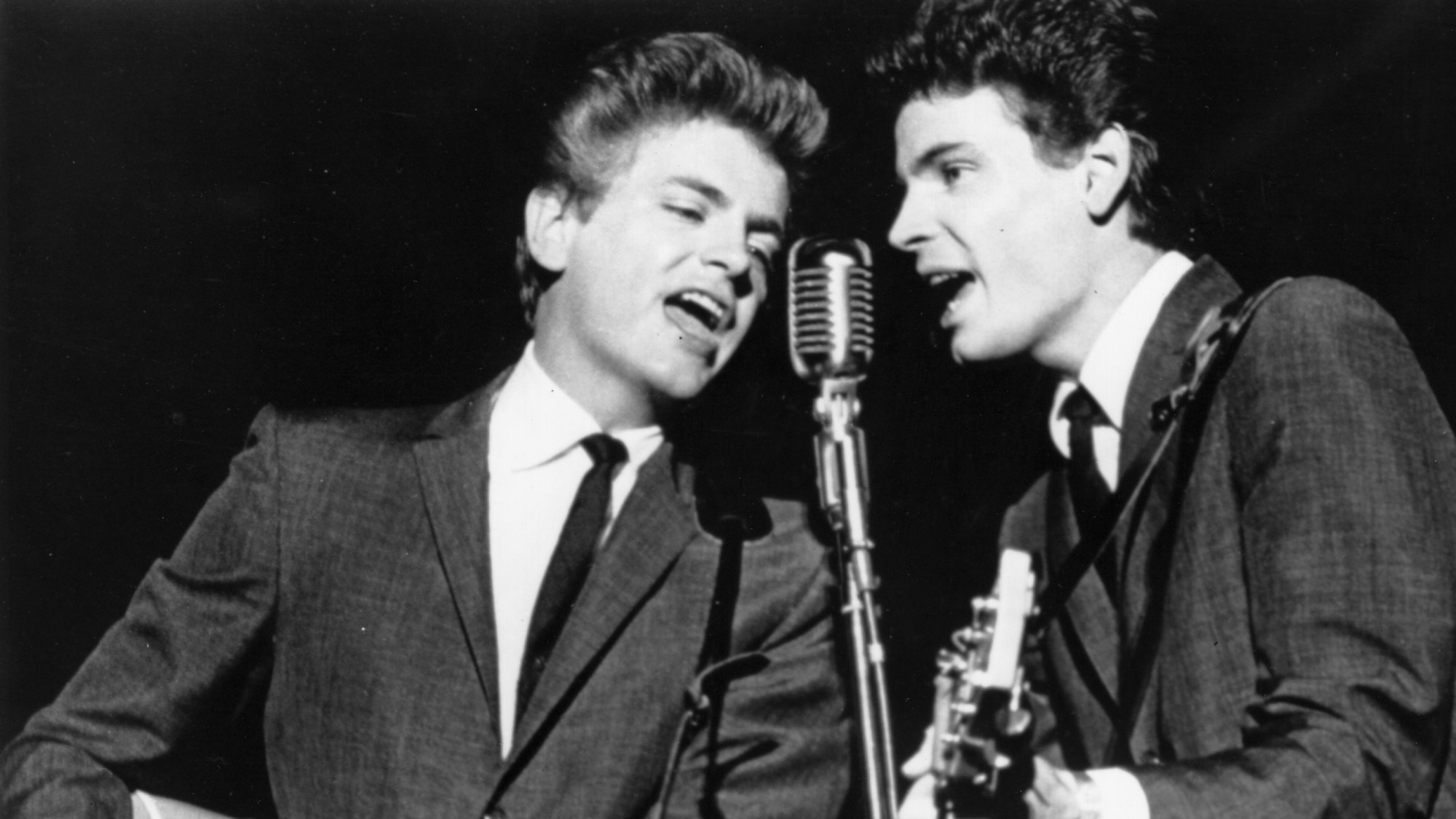
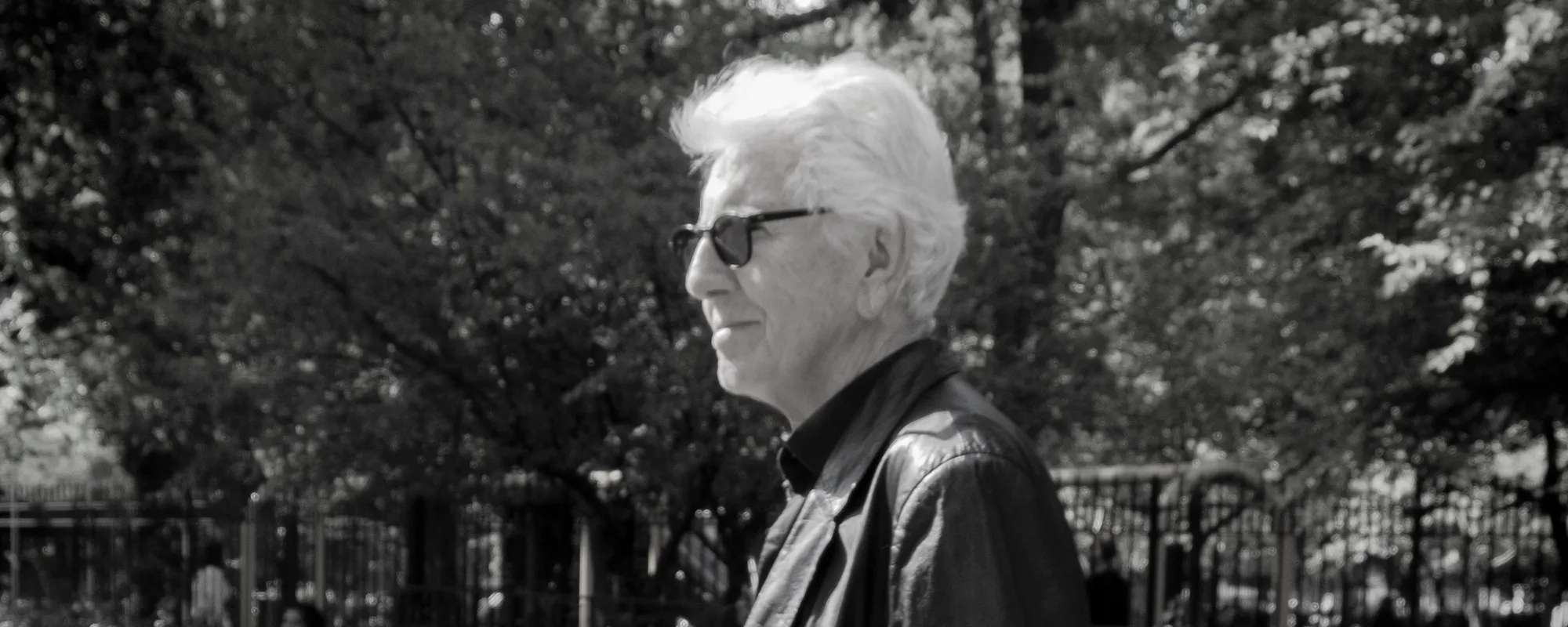
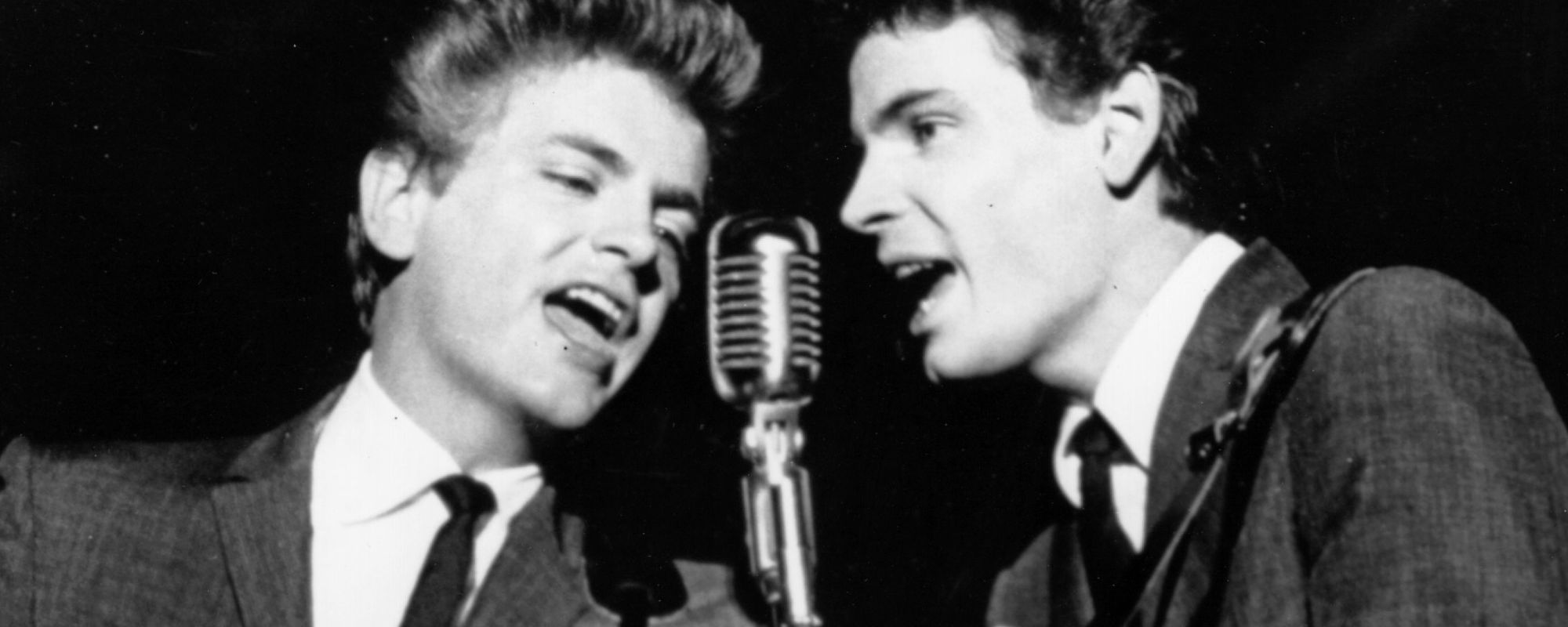
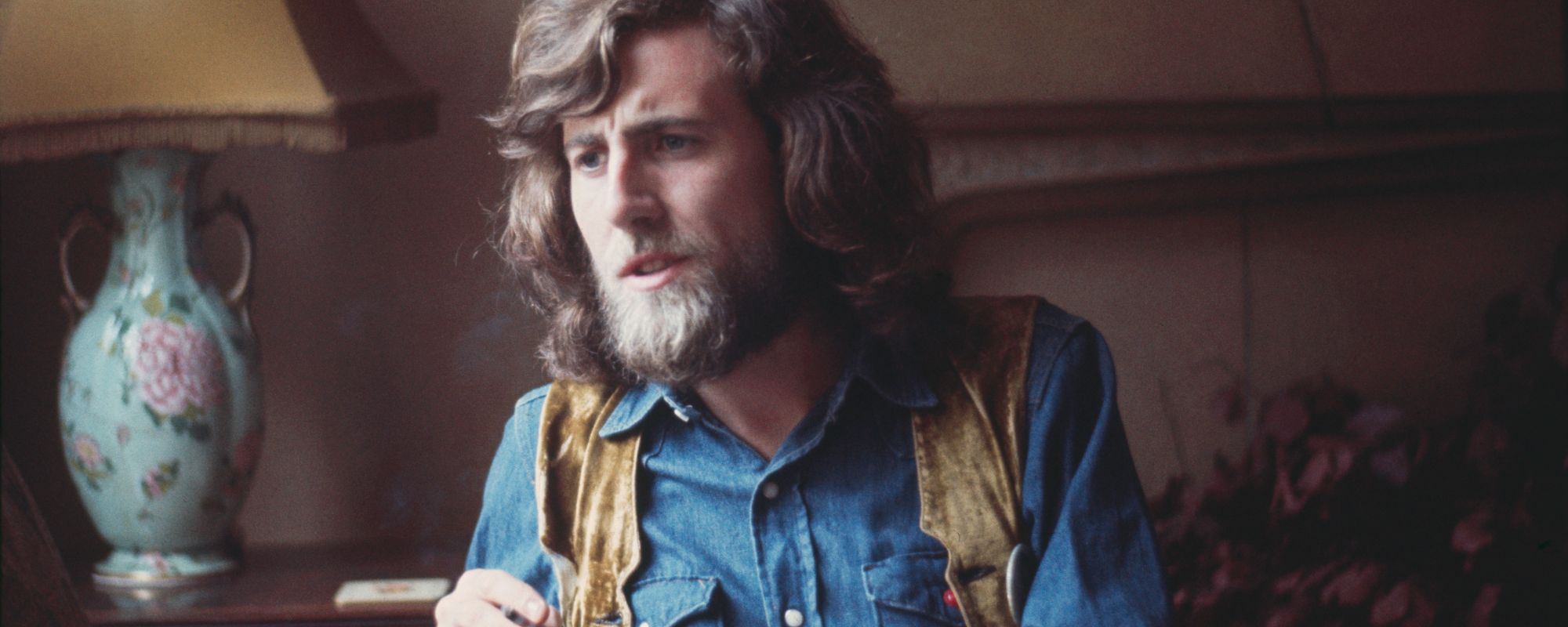
As a kid, Graham Nash learned how to sing harmonies by singing along to the Everly Brothers’ albums in his bedroom. At the time, Nash’s voice hadn’t fully developed, so he sang above Phil Everly’s higher register. Years later, Nash would also get to meet his idols. On Friday, April 22, 1960, he and future Hollies bandmate Allan Clarke were determined to meet the Everly Brothers while they passed through Manchester, England, on tour, and waited outside the Midland Hotel for their arrival.
“It was 1:20 in the morning, and instead of patting these two young kids on the head and signing an autograph and going to their bedrooms, they stood and talked to me and Allan Clarke for what seemed to be hours, but what actually was several minutes,” remembered Nash in a 2014 interview. “My heroes were looking me in my eyes and calling me by name. I realized when you meet a hero or someone you admire to have a perfect moment of actual contact can change your life. And they did mine that night.”
Just two years later, Nash and Clarke formed with The Hollies‘, and along with Tony Hicks eventually started writing more of their original songs for the band as well as for other artists under the pseudonym L. Ransford. The trio also founded the publishing company, Gralto Music Ltd, which also signed a young Elton John, who played piano on the band’s 1969 song “He Ain’t Heavy, He’s My Brother,” from the album The Hollies.
Videos by American Songwriter
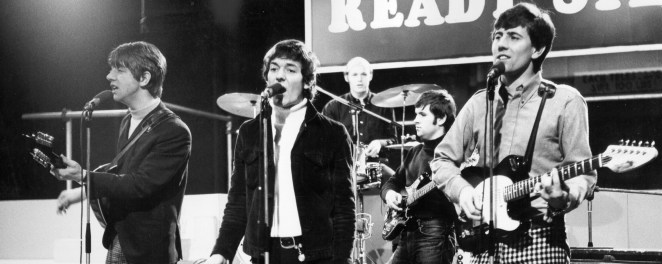
In 1966, the Hollies were also the backing band for half of The Everly Brothers’ 1966 album Two Yanks in England.
Along with some covers, including Manfred Mann’s 1966 No. 1 “Pretty Flamingo” and the sole track Don and Phil Everly wrote for the album, “Kiss Your Man Goodbye,” as L. Ransford, the Hollies penned eight of the twelve tracks on the album, including a few they had recorded and released prior to Two Yanks in England (“So Lonely,” “I’ve Been Wrong Before,” “Don’t Run and Hide,” “Fifi the Flea,” “Hard Hard Year”).
The Hollies also contributed a few new songs, including the pop ballad, “Signs That Will Never Change.”
“Signs That Will Never Change”
A narrative surrounded by nature, “Signs That Will Never Change” moves around some of the natural cycles of life.
Leaves come falling on a winter’s day
Robins weep and watch them sail away
Floating on the water is autumn’s last farewell
These are signs that will never change
Signs that will never change
Rivers once were frozen, now they’re free
Showing winter’s going rapidly
Tadpoles turning into frogs in winter’s last farewell
These are signs that will never change
Signs that will never change
The changing faces of the seasons
Are those that cannot be compared
Except in love, it sometimes happens
Love grows, but all too soon it dies
The Hollies later recorded “Signs That Will Never Change” a year later as a B-side to their hit single “Carrie Anne,” along with their other Two Yanks in England contributions, “Have You Ever Loved Somebody?” “Like Every Time Before.”
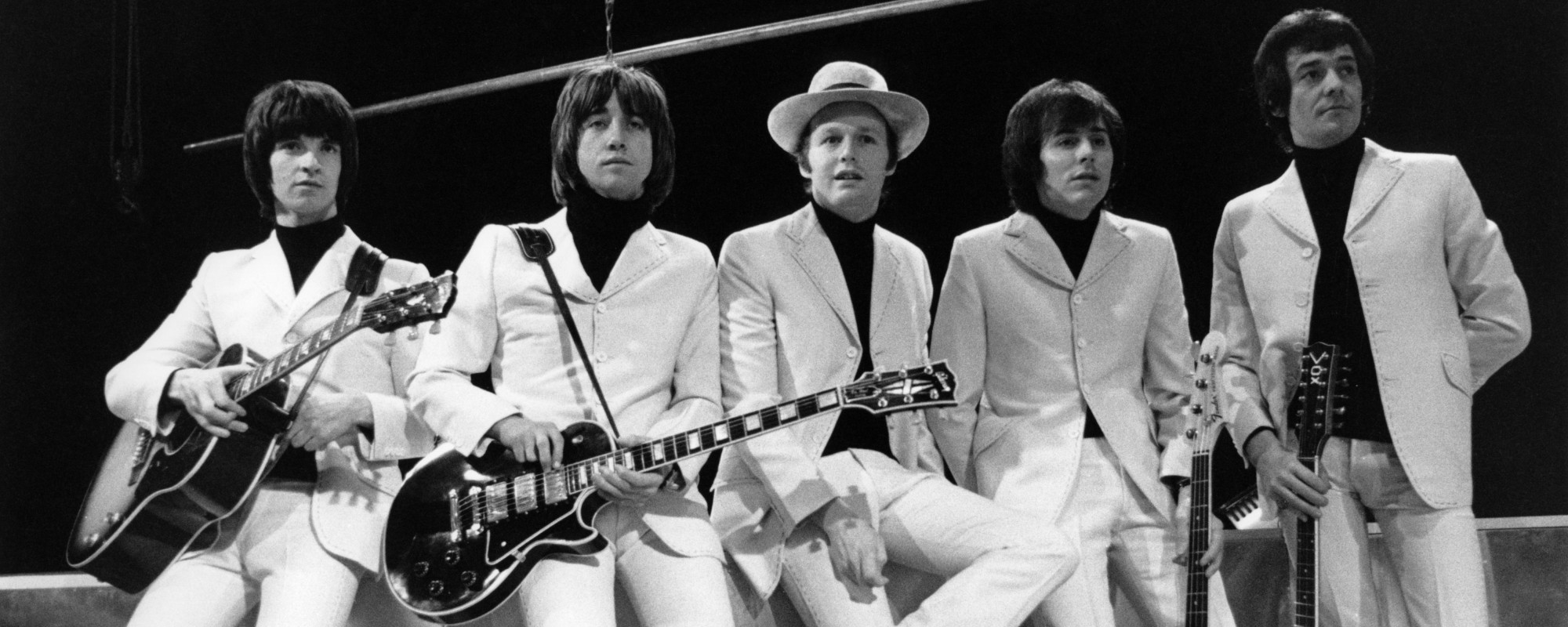
Photo: The Hollies (l to r) Graham Nash, Allan Clarke, Tony Hicks, Bernie Calvert and Don Rathbone in 1962. (Cyrus Andrews/Michael Ochs Archives/Getty Images)


Leave a Reply
Only members can comment. Become a member. Already a member? Log in.