Your cart is currently empty!



The Song Where Paul Simon Told the Story of a Lonely Traveler (and No, It’s Not “The Boxer”)
Character sketches in song can be notoriously hard for anyone but an elite songwriter to pull off. Knowing which details to include and what to leave to the audience to decipher can trip up even experienced songsmiths.
Videos by American Songwriter
Paul Simon stands as one of the finest in the business when it comes to giving us thorough, compelling character sketches within his songs. And “Duncan”, from his 1972 self-titled album, gave us an early indication of what he could do with that type of song as a solo artist.
Solo Simon
Technically, the Paul Simon album, released in 1972, was not Simon’s first solo album. In 1965, thinking that the Simon & Garfunkel project had run its course following a failed first LP, Simon delivered The Paul Simon Songbook. But then “The Sound Of Silence” became a belated hit, he reunited with Art Garfunkel, and the duo dominated the music world for the next five years.
In hindsight, we know that Simon built an incredible solo career from that point. But he undoubtedly ran a huge risk at the time in departing such a hugely successful act. Perhaps that’s why he took a year or so to gather himself before making his next move.
He recorded the Paul Simon album in several different locations and took on a number of different styles. For example, there was the reggae-tinged “Me And Julio Down By The Schoolyard” and the gospel-flavored “Mother And Child Reunion”, both smash singles.
But on “Duncan”, Simon went back to the well in one respect to his time with S&G. The song features players from the South American folk group Los Incas. These same musicians played on the Simon & Garfunkel track “El Condor Pasa (If I Could)” from the Bridge Over Troubled Water album.
Exploring the Lyrics of “Duncan”
The haunting flutes of Los Incas provide a counterintuitively clever backdrop to a song about a young man from Canada who relocates to New England. Simon starts his tale in medias res, with Lincoln Duncan introducing himself while bemoaning the loudness of his motel-room neighbors: “Couple in the next room bound to win a prize.”
Unable to sleep, he passes the time by telling his story as a scion of fishermen. “I was born in the boredom and the chowder,” he quips. Heading to New England to make his living, he explains his hard times upon arrival. “Holes in my confidence, holes in the soles of my shoes,” Simon sings. Poverty falls upon him like a weighted blanket: “And I wished I wore a ring so I could hock/I’d like to hock it.”
But his loneliness is soon eased when a parking lot preacheress enchants him. “Well, I told her I was lost,” Simon sings. “And she told me all about the Pentecost/And I seen that girl as the road to my survival.” Their relationship quickly advances when he meets her in her tent. “And my long years of innocence ended,” he explains.
In the final verse, we hear the details of the magical night. He explains how, after the deed was done, he played guitar under the stars. “I was thanking the Lord for my fingers,” he says. Perhaps he was referencing his finger-picking on his guitar. But the slight smirk in Simon’s voice suggests that the young man was reaching for innuendo in reference to his recent sexual escapades.
And that’s where we leave “Duncan”. It’s a story deftly told by Paul Simons about how a lost and lonely soul, for one night at least, was gloriously found.
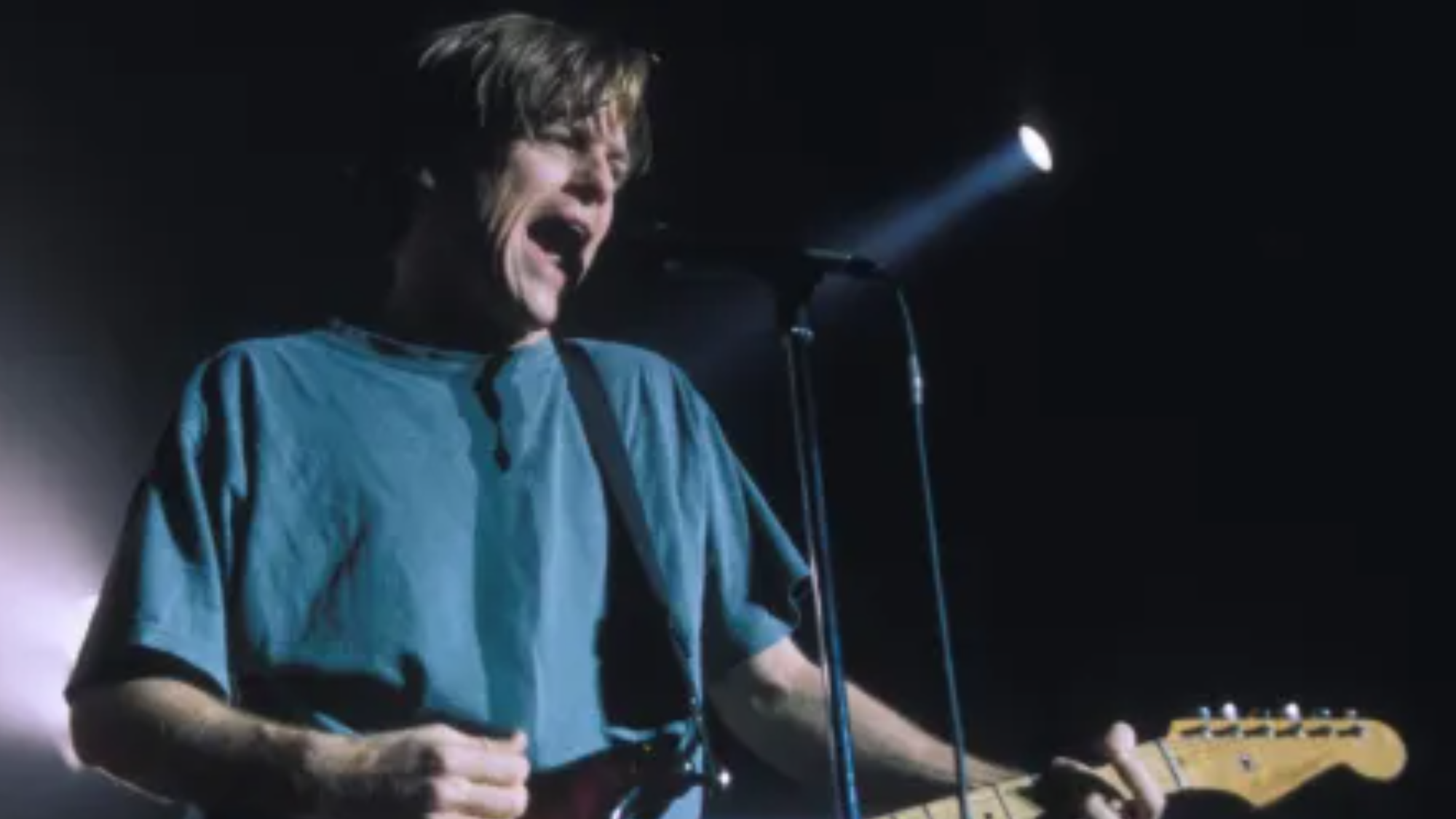
Photo by Gijsbert Hanekroot/Redferns


Leave a Reply
Only members can comment. Become a member. Already a member? Log in.