Your cart is currently empty!



Why “Me and Bobby McGee” Isn’t Just a Road Song—It’s a Study in Freedom and Loss
There’s something wistfully romantic about the second verse of “Me And Bobby McGee” that makes it hard not to daydream about an untethered life on the road. “Windshield wipers slappin’ time, I was holdin’ Bobby’s hand in mine / We sang every song that driver knew.” The Kris Kristofferson song made famous by Janis Joplin seemed like an anthem for the unencumbered, explorative, and most importantly, free.
Videos by American Songwriter
However, as is often the case with the best songwriting, the darker truth behind the story is hiding in plain sight. The song’s chorus, “Freedom’s just another word for nothing left to lose,” isn’t exactly a cry of liberation. If anything, it’s the opposite. It’s arriving at the mouth of a long, empty highway that doesn’t seem like it holds as much promise as it once did.
At least, that’s what was going through the mind of the man on whom Kristofferson based his iconic track. The man got everything he wanted: peace and quiet, the open road, no one weighing him down. But it wasn’t until he achieved all of these things that he realized how little he actually wanted them.
“Me And Bobby McGee” Is Based off a 1954 Italian Road Tragedy
Many paths led to Kris Kristofferson writing “Me And Bobby McGee”. First, Monument Records founder Fred Foster had to tell Kristofferson about a song idea that he came up with based on his secretary called “Me And Bobby McKee”. The plot twist, Foster told Kristofferson, was that McKee was a woman. Next, Kristofferson had to mishear Foster, assuming he said McGee, not McKee. Finally, Kristofferson had to watch the 1954 Italian road tragedy film, La Strada.
Speaking to Performing Songwriter in 2015, Kristofferson said the Federico Fellini film came to mind while he was mulling over the idea of writing a song centered on “me and Bobby McKee/McGee.” La Strada follows the story of Zampanò, a traveling strongman, and Gelsomina, a “simple-minded” young woman whose sister, Rosa, had previously performed with Zampanò. After Rosa dies, Gelsomina takes her place.
The relationship between Zampanó and Gelsomina is turbulent, abusive, and, at times, violent. At one point, Zampanó kills a fellow performer with whom Gelsomina developed a friendship. The murder deeply affected Gelsomina, who began repeating, “The fool is hurt.” Zampanó grew tired of Gelsomina’s emotional state and abandoned her on the side of the road while she was sleeping. Some time later, Zampanò is traveling in a different town, when he hears a woman singing a melody he often heard Gelsomina play. When he asked the woman where she heard that song, she said she learned it from a woman who had wandered into town.
The woman, presumably Gelsomina, stayed in the town for a short while before wasting away and dying. Upon learning this, Zampanò goes to a bar, gets drunk, gets in a fight, stumbles to the beach, and, as Kristofferson put it, “ends up howling at the stars on the beach.”
Having Nothing Left to Lose Isn’t as Freeing as It Might Seem
As a rambler himself, it’s not surprising that Kris Kristofferson resonated so deeply with La Strada. Zampanò prioritized himself and his art, had a brutish way about him, and would rather be alone than encumbered by others. Struggling to support his family and pursue his career at the same time and increasing alcohol use likely meant Kristofferson related to Zampanò’s almost desperate, self-destructive tendencies.
The final scene of Zampanò realizing he didn’t want the freedom he once so hungrily craved is, in essence, what Kristofferson hoped to distill in “Me And Bobby McGee”. “The two-edged sword that freedom is,” Kristofferson explained to Performing Songwriter. “He was free when he left the girl. But it destroyed him. That’s where the line, ‘Freedom’s just another name for nothing left to lose’ came from.”
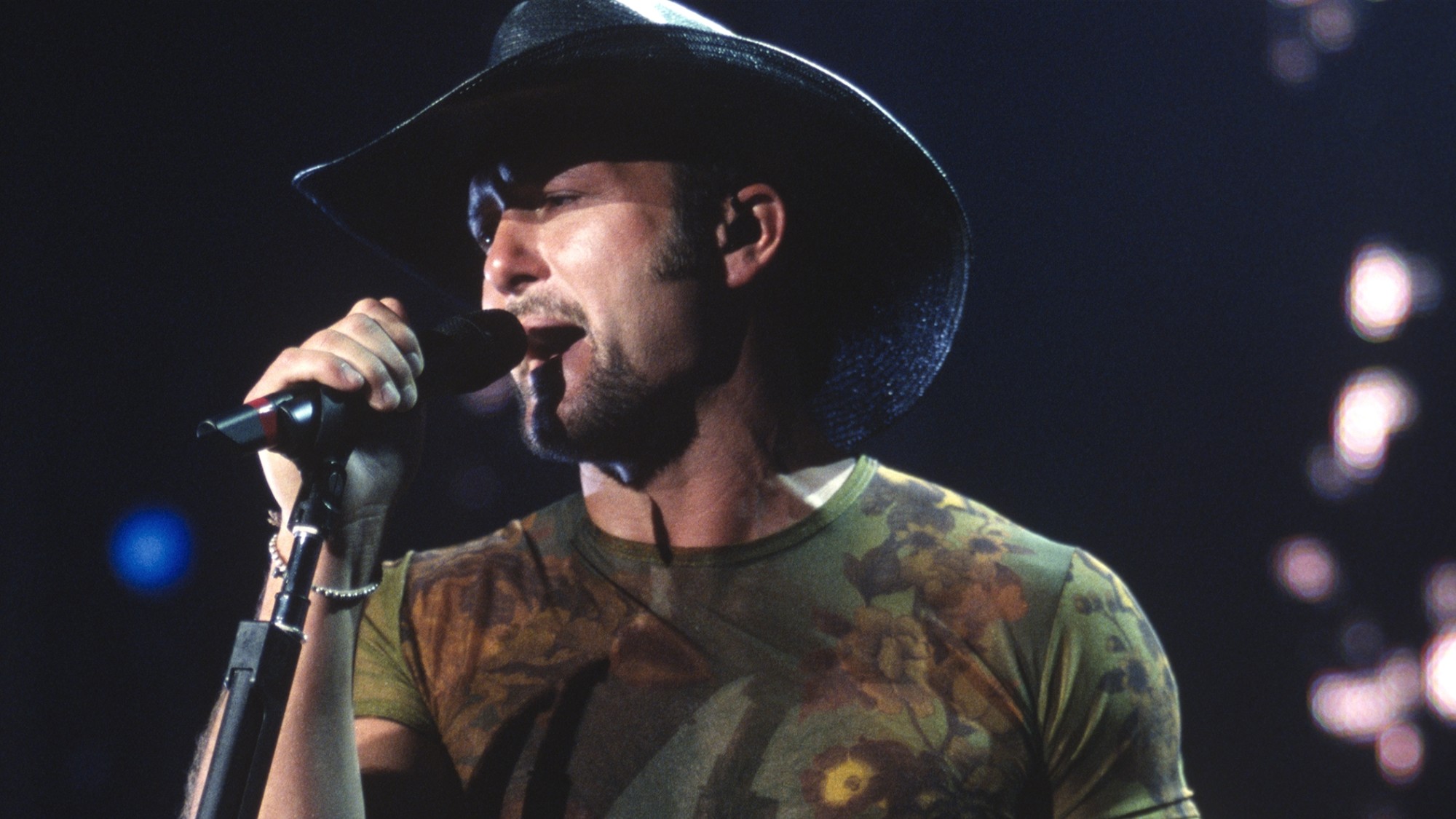
Photo by John Springer Collection/CORBIS/Corbis via Getty Images
Leave a Reply
Only members can comment. Become a member. Already a member? Log in.