Your cart is currently empty!



3 Motown Classics From the 1960s That Also Rock
Motown gave soul music broad appeal with its iconic beat, earworm hooks, and call-and-response gospel vocals. But the Detroit label, founded by Berry Gordy Jr. as Tamla Records in 1959, was much more than a hit factory for soul music. The label broke racial barriers and blended genres, including jazz and classical, as Gordy helped redefine both the sound and limitations of pop music. Crucial to the Motown Sound was a relentless and driving backbeat. And as you’ll hear below, many Motown classics also rock.
Videos by American Songwriter
“Dancing In The Street” by Martha And The Vandellas
Martha Reeves called The Funk Brothers “the heartbeat of the Motown Sound.” She’s not wrong. Berry Gordy Jr.’s house band defined many Motown hits with a singular groove and feel to match the songwriting and production coming out of Hitsville U.S.A. The drumming on “Dancing In The Street” explodes from the speakers with all the power, joy, and energy of a raging neighborhood party. “There’ll be music everywhere,” Reeves sings. With this kind of volume, how could there not be?
“Reach Out I’ll Be There” by Four Tops
Before the opening verse of “Reach Out I’ll Be There”, there’s an interjection, a visceral “Aah!” heard in the left speaker. Pure release. Then Levi Stubbs, singing at the top of his vocal range, offers a solidarity anthem that rocks as much as it grooves. Producers Brian Holland and Lamont Dozier wanted Stubbs to half-sing, half-shout the song to echo Bob Dylan’s “Like A Rolling Stone”. The galloping rhythm and signature Motown four-on-the-floor percussion give the track an urgency to propel Stubbs’s howling voice. But the setup leading to the chorus is where the magic happens. James Jamerson’s iconic bass breaks add to the emotional tension alongside Norman Whitfield bashing a tambourine, played as though his life depended on it.
“Devil With The Blue Dress” by Shorty Long
Shorty Long’s debut single for Motown’s Soul imprint arrived in 1964. Though it’s an R&B tune, “Devil With The Blue Dress” sounds closer to the amped-up R&B that evolved into rock and roll. In 1966, Mitch Ryder And The Detroit Wheels covered the song and, by doing so, revealed this was indeed a rocking tune. For good measure, Ryder’s recording features a medley with Little Richard’s “Good Golly, Miss Molly”. You can hear rock and roll’s evolution in Long’s bluesy original, Ryder’s uptempo medley, as well as Bruce Springsteen’s raucous live rendition.
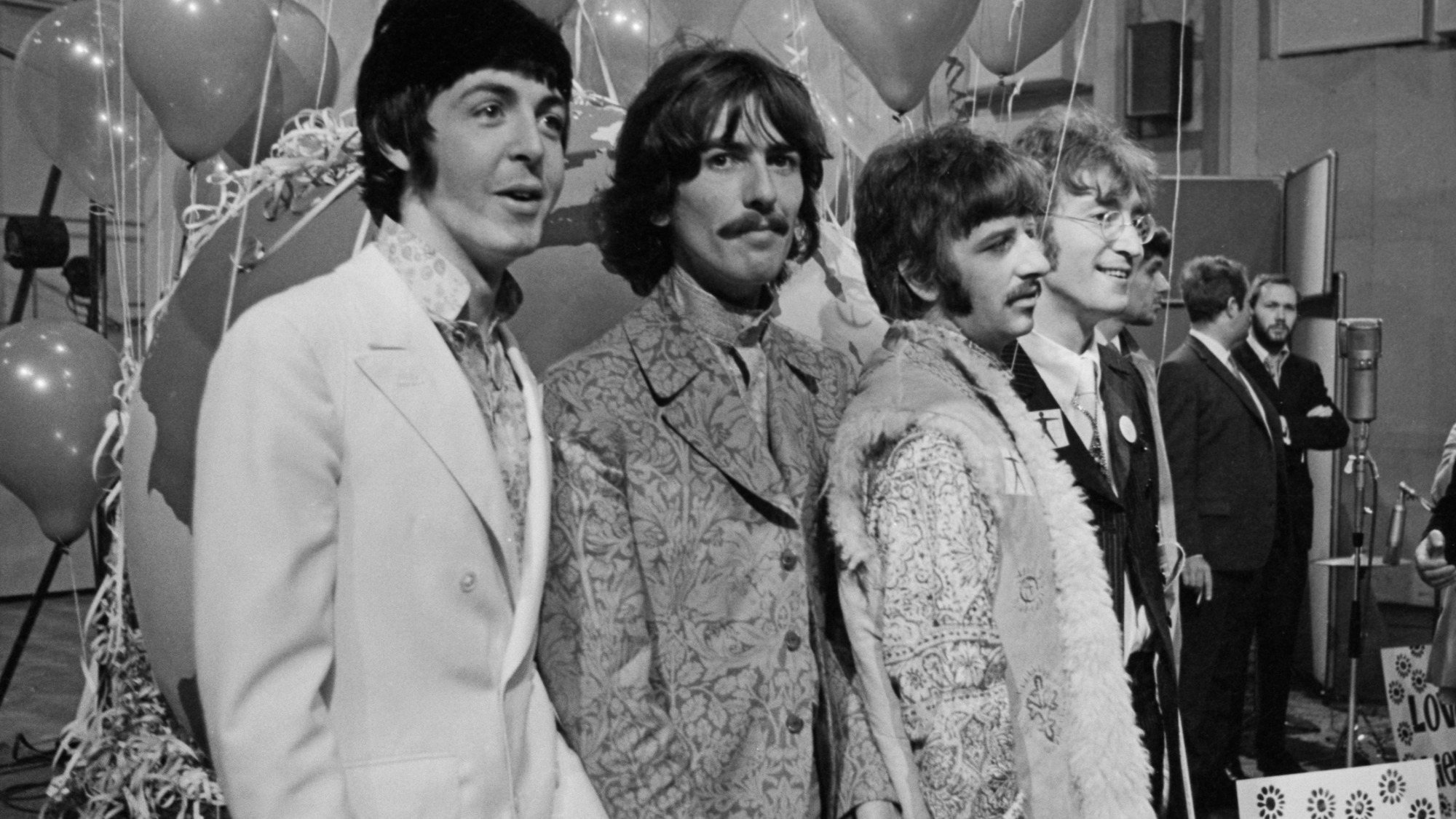
Photo by Michael Ochs Archives/Getty Images

Leave a Reply
Only members can comment. Become a member. Already a member? Log in.