
Some artists find a successful lane and stay in it release after release, unwilling to fix what isn’t broken. And we understand those tendencies. But we also love those artists who take chances with new musical directions, even if it means risking their commercial prospects. Joe Jackson drastically transformed his musical approach during the first decade of his musical career. By the time he scored his last US Top 40 hit, he was happily straining the boundaries of typical pop music.
Videos by American Songwriter
Jackson’s Journey
When he burst onto the scene in the late 70s. Joe Jackson seemed like the latest extremely literate, somewhat acerbic New Wave singer-songwriter on the British scene. Early triumphs like “Is She Really Going Out With Him?”, “Different For Girls”, and “I’m The Man” lumped him in with similar angry young artists like Elvis Costello and Graham Parker.
But even on his early albums, Jackson was straining somewhat against that image. You could clearly hear the influence of jazz music on those LPs, just not on the singles. When he disbanded the Joe Jackson Band at the end of the decade, it was clear he wanted to explore those less pop-friendly inspirations even more.
He did so at first with the 1981 album Joe Jackson’s Jumpin’ Jive. If the title didn’t clue you in already, the LP featured Jackson going back to a much more antiquated style of music than was common on the pop charts. But he was onto something. The next time out, he managed to combine those styles with his pop smarts. It led to his biggest ever US commercial success.
A Stylistic Shift
In 1982, Jackson released Night And Day. Maybe the title slyly referenced how much his music had changed since his first few albums. The album featured the kind of elegant songwriting smarts you’d expect from Cole Porter, with Latin and jazz influences sprinkled here and there.
The album hit the Top 5 in both the UK and US, and it spawned a pair of Top 20 singles in America. Suddenly, Jackson was an in-demand pop star. But, as was typical of his tendencies to that point, he sought new artistic ground for his next LP.
Unwilling to record songs piecemeal, track by track, as was the style in the early 80s, Jackson assembled a bunch of players and recorded his next album, Body And Soul, with as much of a live feel as possible. And he went even further into his jumping jazz bag with the first single.
Wonderful “Want”
“You Can’t Get What You Want (Till You Know What You Want)” featured lyrics giving advice on how to make it in the modern world. But musically, it hearkened back to a much earlier, pre-rock era.
Luckily, what Jackson was doing on the song wasn’t all that different from the so-called “sophisti-pop” movement that was starting to pop up on US radio. “You Can’t Get What You Want (Till You Know What You Want)” landed at No. 15.
Follow-up single “Happy Ending” peaked at No. 57, the highest that Jackson would ever again make it on the US pop charts. Still, his last Top 40 hit in America proved he could be true to his artistic wanderlust without sacrificing pop success.
Joe Jackson is still active as a musician today and is set to release the album Hope And Fury on April 10, 2026. Jackson will also kick off a North American tour in May of 2026, followed by a European run through the end of the year.
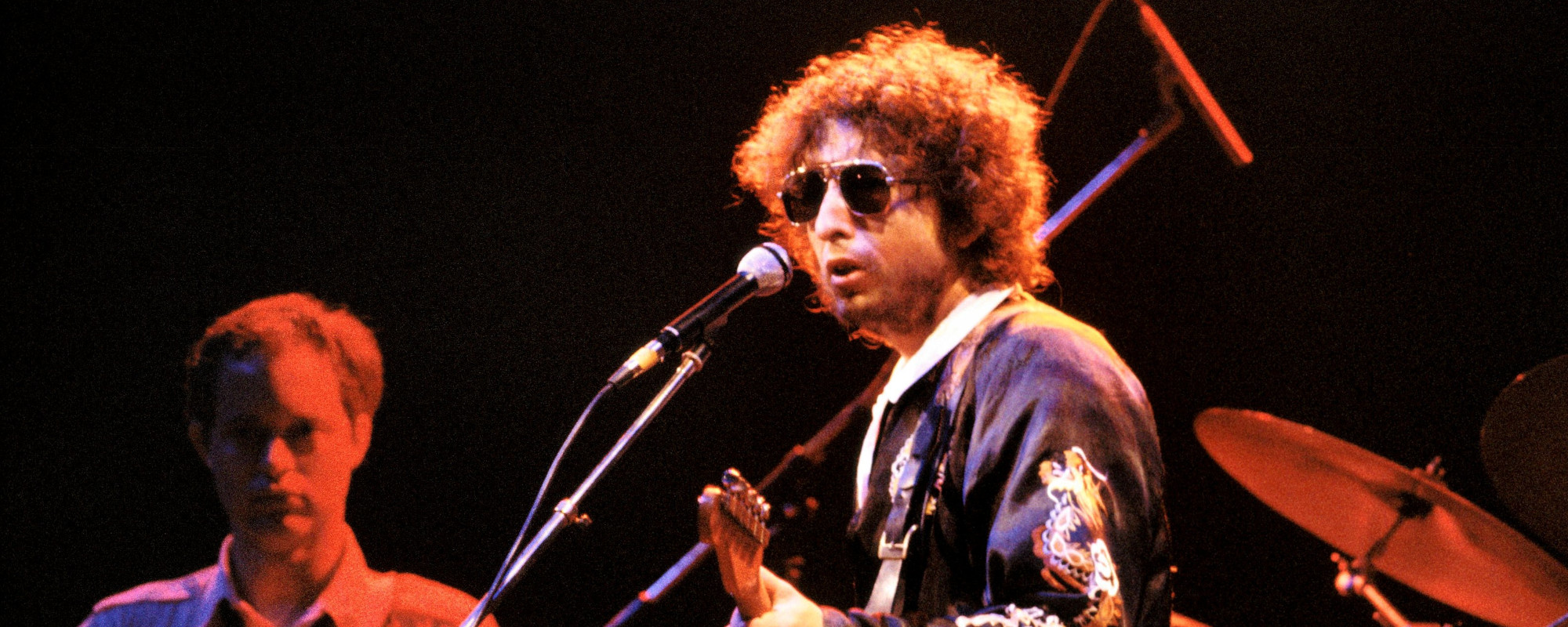
Photo by Paul Natkin/Getty Images




Leave a Reply
Only members can comment. Become a member. Already a member? Log in.