
If there is any songwriter who can make a song seemingly about nothing and everything all at once, it would be Neil Young. And when it comes to his classic After the Gold Rush track, “Tell Me Why”, it would appear that the songwriter has mixed feelings. He’s oscillated between finding the song too profound and meaningful to being so nonsensical that it didn’t merit inclusion in his live sets. Though, one must wonder if the latter is a coping mechanism to deflect from the former…
Videos by American Songwriter
Regardless, “Tell Me Why” has been a rare addition in Young’s performances since its 1970 release. According to Nigel Williamson’s Journey Through the Past: The Stories Behind the Classic Songs of Neil Young, Young claimed the opening track from his third album was “too intense” for him to sing. Given the circumstances of his personal life around the making of this album, many assumed Young was referring to the song being about his first wife, Susen Acevedo.
His marriage to Acevedo was incredibly rocky, and that conflict often carried over into the studio. While recording another track from that same album, “Southern Man”, Young said his then-wife was “angry at me for some reason, throwing things. They were crashing against the [studio] door,” per Rolling Stone.
Later, Neil Young Wrote Off “Tell Me Why” As Nonsensical Gibberish
Within the context of his tumultuous relationship with Susan Acevedo, one could easily draw connections between Neil Young’s lyrics and his marriage. “Tell me why is it hard to make arrangements with yourself / When you’re old enough to replay, but young enough to sell?” The song places the narrator at a crossroads. Their life could keep going one way, as they had originally planned. Or they could change course. Certainly, these thoughts might cross the mind of someone getting into such severe rows with their partner. Later comments Young made about Acevedo seemed to reinforce this idea (and lyrical association).
“She was older than I was,” he explained, per Journey Through the Past. “I really wasn’t grown up enough for her. It took me a long time to grow up because all my growing-up time was spent on music.” One might assume “Tell Me Why” was included in this musical maturation. But Young later claimed the After the Gold Rush opener was about…nothing.
“It sounds like gibberish to me,” Young said in 1998, per SongFacts. “I stopped singing this song because when I get to that line, I go, ‘What the f**k am I talking about?’ You know I don’t edit my songs.” In Shakey, biographer Jimmy McDonough provided a wider frame of reference. He linked “Tell Me Why” to the virtues and downfalls of the Gold Rush. This, of course, ties into the album’s title. Still, even McDonough wrote off the words as “convoluted hippie doublespeak.”
Young dismissing the contents of “Tell Me Why” as nonsense seems surprising to those of us who have felt an emotional connection to the track. But of course, therein lies the beauty of songwriting. One man’s “gibberish” is another man’s treasure.
Songfacts: Tell Me Why | Neil Young
Of course, none of this changes the fact that “Tell Me Why” is a beautiful song that many Young diehards admire. It’s got a distinctly country “feel” about it, even if the music itself exists in that unique Young realm between country, folk, and rock. In Shakey, McDonough observes that the song displays Young’s unique way of using acoustic guitar. He quotes Ken Viola saying, “Neil has a unique way of playing acoustic guitar which is solely his. It’s a perfect combination of melody and rhythm. It’s not just chording—the melodies are married to the words in a strum relationship that’s not just simply played—it’s very calculated, designed.” All particularities and peculiarities aside, this song will likely forever hold a certain amount of longevity for no other reason than it’s the first track on After The Gold Rush, one of Young-fans most cherished albums, and one of the longest-enduring to come out of the ’70s.

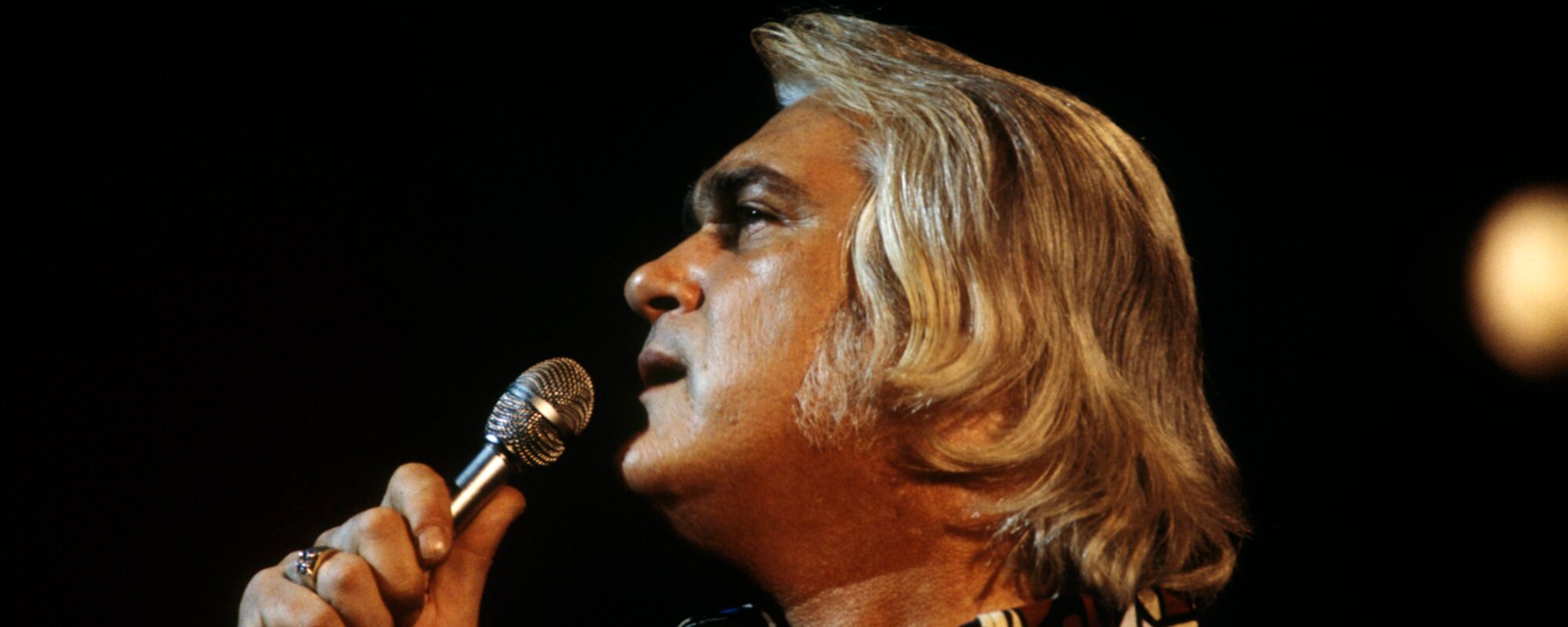
Photo by Tom Copi/Michael Ochs Archives/Getty Images








Leave a Reply
Only members can comment. Become a member. Already a member? Log in.