
Though many have tried, no one truly holds a candle to the late, great Queen frontman Freddie Mercury, who died on November 24, 1991, roughly 24 hours after confirming rampant speculation by announcing his tragic HIV/AIDS diagnosis. Onlookers suspected Mercury had been sick for months. His gaunt appearance and lack of public outings confirmed what, at the time, only those closest to him knew. The influential rock vocalist was a victim of the HIV/AIDS epidemic.
Videos by American Songwriter
The global outbreak only fueled the already-rampant homophobia that plagued much of Mercury’s career. And indeed, this is largely why the singer kept his diagnosis a secret for so long. On November 22, 1991, he released a statement which read, “Following the enormous conjecture in the press over the last two weeks, I wish to confirm that I have been tested HIV positive and have AIDS. I felt it correct to keep this information private to date to protect the privacy of those around me. However, the time has come now for my friends and fans around the world to know the truth. I hope that everyone will join with my doctors and all those worldwide in the fight against this terrible disease.”
Some have speculated Mercury didn’t release this statement of his own accord. Others have posthumously criticized his decision to keep his diagnosis a secret, given the potential of his international platform to raise awareness and fight the stigma around the disease. Mercury died 24 hours after the statement was made public, making either argument a futile musing at best.
Despite His Death, Freddie Mercury Lives on As One of the Greatest Rock Vocalists of All Time
From his astounding, four-octave range to his unique and theatrical songwriting to the way he effortlessly commanded a crowd, Queen frontman Freddie Mercury was a master rock ‘n’ roll vocalist. Often lauded as one of the greatest of all time, his larger-than-life stage persona made his frail appearance and seemingly sudden death all the more heartbreaking. Mercury’s bandmates and closest loved ones might have known about his diagnosis for months. But for the general public, the announcement, so closely followed by his passing, was a stunning one-two punch. Even in death, some media outlets used his sexuality as tabloid fodder.
Nevertheless, Mercury left behind a stunning musical legacy. As a founding member of Queen, he contributed some of the band’s most memorable hits, including “Bohemian Rhapsody”, “Killer Queen”, “We Are the Champions”, and “Somebody to Love”. His energy and vigor as a performer were and continue to be virtually unmatched.
Just over one full day after Mercury’s team issued the first statement regarding his diagnosis, they released another. “We have lost the greatest and most beloved member of our family. We feel overwhelming grief that he has gone, sadness that he should be cut down at the height of his creativity, but above all, great pride in the courageous way that he lived and died.”
Mercury’s family held a private funeral service on November 27, 1991. Pallbearers brought out Mercury’s coffin as “You’ve Got a Friend” by Aretha Franklin, his favorite singer, played. A small gathering took place after the service to celebrate Mercury’s life. His bandmates opted to have lunch with each other instead, grieving amongst themselves over the loss of their fabulous frontman.
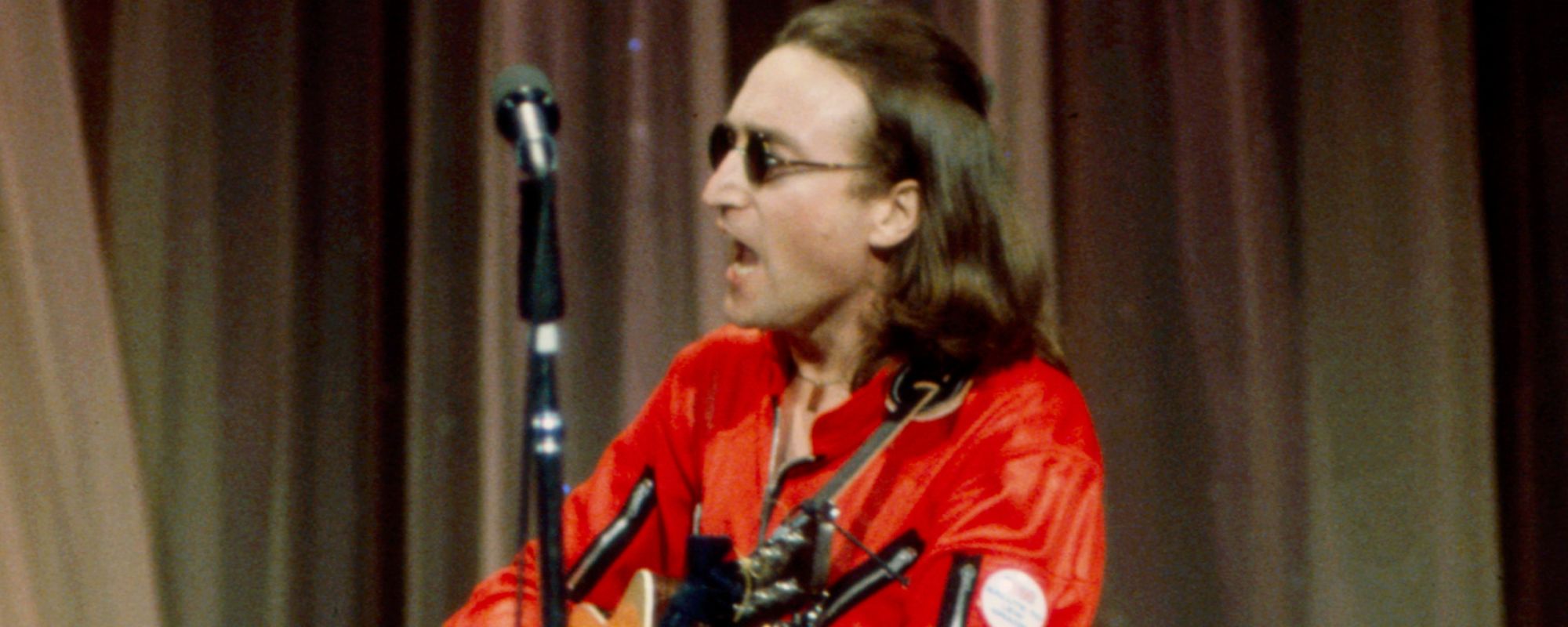
Photo by Pete Still/Redferns






Leave a Reply
Only members can comment. Become a member. Already a member? Log in.