Your cart is currently empty!


Pink Floyd’s First US Hit Needed Serious Editing To Make It to Radio
They just weren’t cut out to be a huge singles band. In fact, Pink Floyd’s first Top 40 hit in the United States turned out to be one of only two such hits they had in their career. (The other was a No. 1.)
Videos by American Songwriter
The song that gave the Floyd their first taste of pop radio airplay needed truncating and editing to make it happen. But it showed that the broader music world could get on the same wavelength as these rock heroes.
Albums Over Singles
In their original incarnation, Pink Floyd willingly played the singles game. They released Top 20 UK hits “Arnold Layne” and “See Emily Play” in 1967 before their first album (The Piper At The Gates Of Dawn) arrived later that year.
Those songs proved a bit too quirky and trippy to dent the US pop charts. Pink Floyd soon changed their artistic tendencies drastically with the departure of original lead singer Syd Barrett. Out went bite-sized pop nuggets in favor of long rock soundscapes.
The British band operated largely under the radar through the late 60s and early 70s, especially in the US. Everything changed when they came up with an overarching concept for the album that they released in 1973. That LP, The Dark Side Of The Moon, couldn’t be denied, and it even towed Pink Floyd onto US pop radio.
It’s “Money” Time
In Great Britain, Pink Floyd disdained the idea of releasing singles. They felt that their work was best digested as a whole, meaning full albums instead of individual songs. Even as The Dark Side Of The Moon became a sensation upon its release, they resisted the urge to cash in on its success by courting the pop charts.
In America, however, their label (Capitol) went ahead and cherry-picked a single from the record anyway. They chose the song “Money”, which memorably starts the second side of The Dark Side Of The Moon with a kind of cash register cacophony, which engineer Alan Parsons assembled into a herky-jerky rhythm.
That opening then led into an unusual 7/8 time signature spearheaded by Roger Waters’ bassline. Waters, who handled all the lyrics for the band, also wrote the music to “Money”. The song depicts society’s obsession with moolah, which is just another factor (along with time, war, and the specter of death) that can damage one’s mental state.
Cashing in with a Hit
Turning “Money” into a single required some rejiggering. For one, the song clocks in at over six minutes on the album. That wouldn’t cut it on the radio. As a result, large chunks of the music, including bits of solos from both guitarist David Gilmour and saxophonist Dick Parry, were excised.
An edit was also required for when Gilmour sings the word “bullshit” in one of the verses. None of that stopped “Money” once it hit the radio. The song made it all the way to No. 13, while also doing well in other countries.
Six years later, Pink Floyd would once again capitulate to a song from a concept album getting a single release. “Another Brick In The Wall (Part II)”, from The Wall, even earned a release in the UK. And it gave Pink Floyd a worldwide chart-topper.
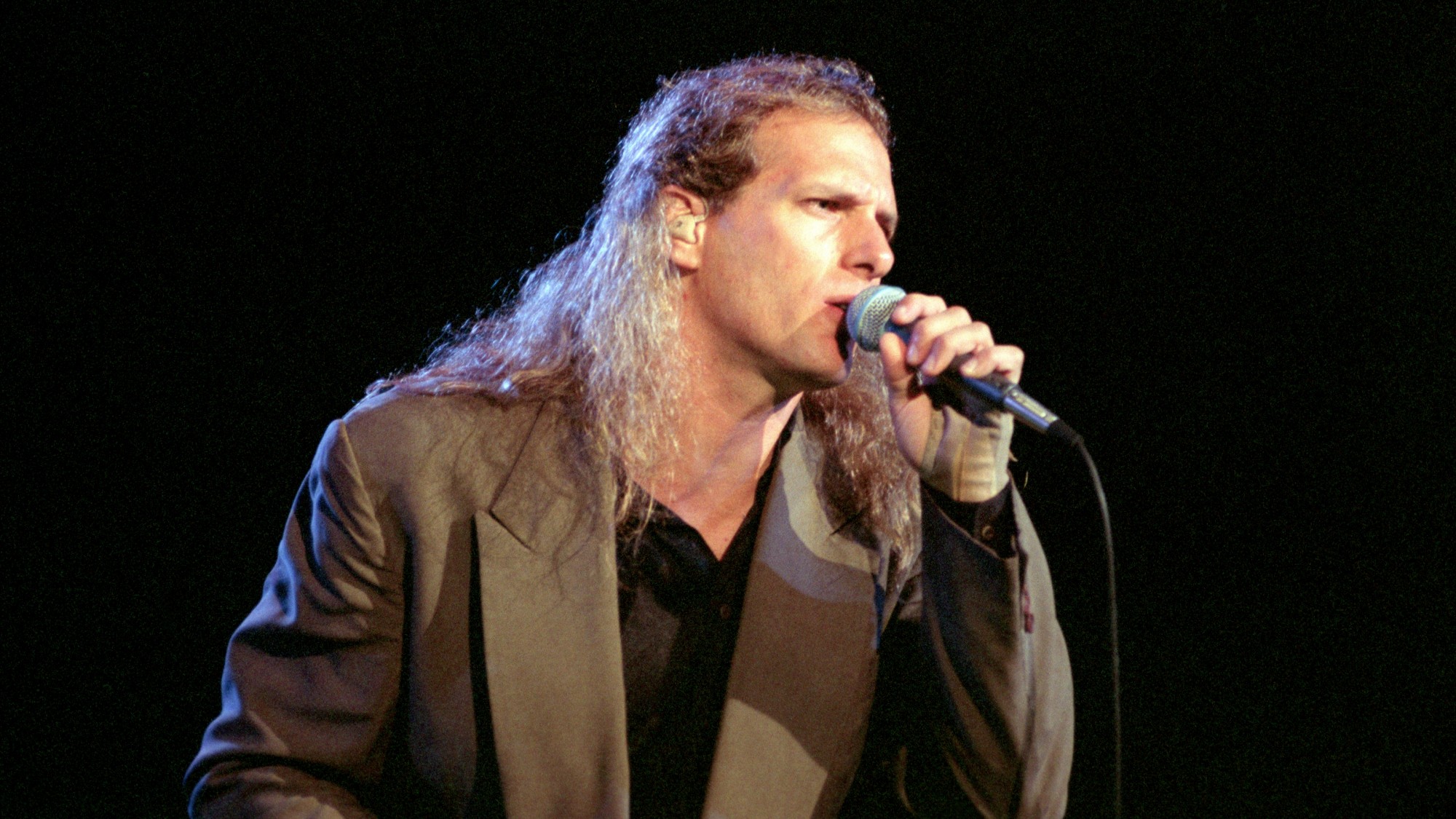
Photo by Michael Ochs Archives/Getty Images


Leave a Reply
Only members can comment. Become a member. Already a member? Log in.