
The old adage “if it ain’t broke, don’t fix it” never seemed to appeal to the British prog rock legends Yes. After all, the band changed its lineup at will over the course of their history. They even did it a few times after huge successes.
For example, in 1971, the band knocked out their breakthrough LP. Later that year, after firing one of the members who made that album and replacing him on the fly, they soared to even loftier heights with the album Fragile.
Videos by American Songwriter
Changing Keys
The first two albums by Yes gained them a little bit of a following in Great Britain, with an ambitious cover of The Beatles’ “Every Little Thing” among the memorable moments. But in 1971, they brought in guitarist Steve Howe, whose virtuosity on the instrument was matched by his songwriting ambitions. Howe played with them for the first time on their third LP, which they titled The Yes Album.
Thanks to classic tracks like “I’ve Seen All Good People” and “Yours Is No Disgrace”, the band gained an international following in a hurry. That put some pressure on them for the follow-up, which was scheduled for late 1971. Even with that hurried schedule, the band had time for some infighting and turnover.
Keyboardist Tony Kaye didn’t want to budge from playing his preferred Hammond organ. Other members of Yes wanted to hear Mellotrons and synthesizers. Without much fanfare, the band sacked Kaye and replaced him with Rick Wakeman at the beginning of the sessions for Fragile.
A New Chemistry
Wakeman was still an in-demand player-for-hire when he signed on with Yes. That meant that he wasn’t always available for the recording sessions, as Steve Howe explained to Guitar Player:
“He was a busy session guy, so he’d pop in and say, ‘I’m free at three tomorrow.’ And we’d be like, ‘Oh, okay. Drop in then. Do that.’ Which basically allowed the rest of us to get tracks sorted, so he’d come in and play on them. We didn’t mind.”
The chemistry of the band with Wakeman was evident right from the start. On the first day that they were all in the studio together, the band laid down the basic tracks for “Roundabout” and “Heart Of The Sunrise”, the two colossal tracks that bookended Fragile when it was released in November 1971.
Solo Bits and Group Hits
Because they were in such a hurry to get the album done, the band decided that each of the individual members should come in with separate pieces to complement the full-band efforts. The way those smaller pieces are slotted in among the elongated tracks is part of what gives Fragile its charm.
As for the four foundational songs on the album, each shows off the band at its shapeshifting best. The 10-minute “Roundabout” gave the band an unlikely hit when it was shaved down to a three-minute radio edit. “Long Distance Runaround” shows both pop sense and lyrical savvy. And brain-scrambling multi-part tracks “Your Move” and “Heart Of The Sunrise” represented headphone music at its finest.
The album brought Yes to a new level within the rock community, at which point some internal pressures started to boil over. More lineup changes were coming just a couple of years down the road. Fragile, in terms of its name, might have hinted at this band’s delicate union. But the music therein presents five standout musicians tightly connected in aid of a wildly ambitious and deeply moving piece of music.
Photo by Michael Putland/Getty Images
More Features
-
Photo by Gijsbert Hanekroot/Redferns -
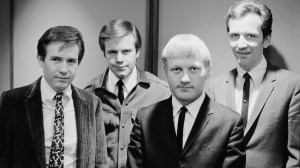
American rock & roll band the Bobby Fuller Four, circa 1966. From left to right, they are singer Bobby Fuller, bass player Randy Fuller, guitarist Jim Reese and drummer Dalton Powell. (Photo by Don Paulsen/Michael Ochs Archives/Getty Images) -

LOS ANGELES, CALIFORNIA – JUNE 14: Ringo Starr performs onstage with his All Starr Band at The Greek Theatre on June 14, 2026 in Los Angeles, California. (Photo by Kevin Winter/Getty Images) -

Faith Hill on 11/2/00 in Chicago, Il. (Photo by Paul Natkin/WireImage) -
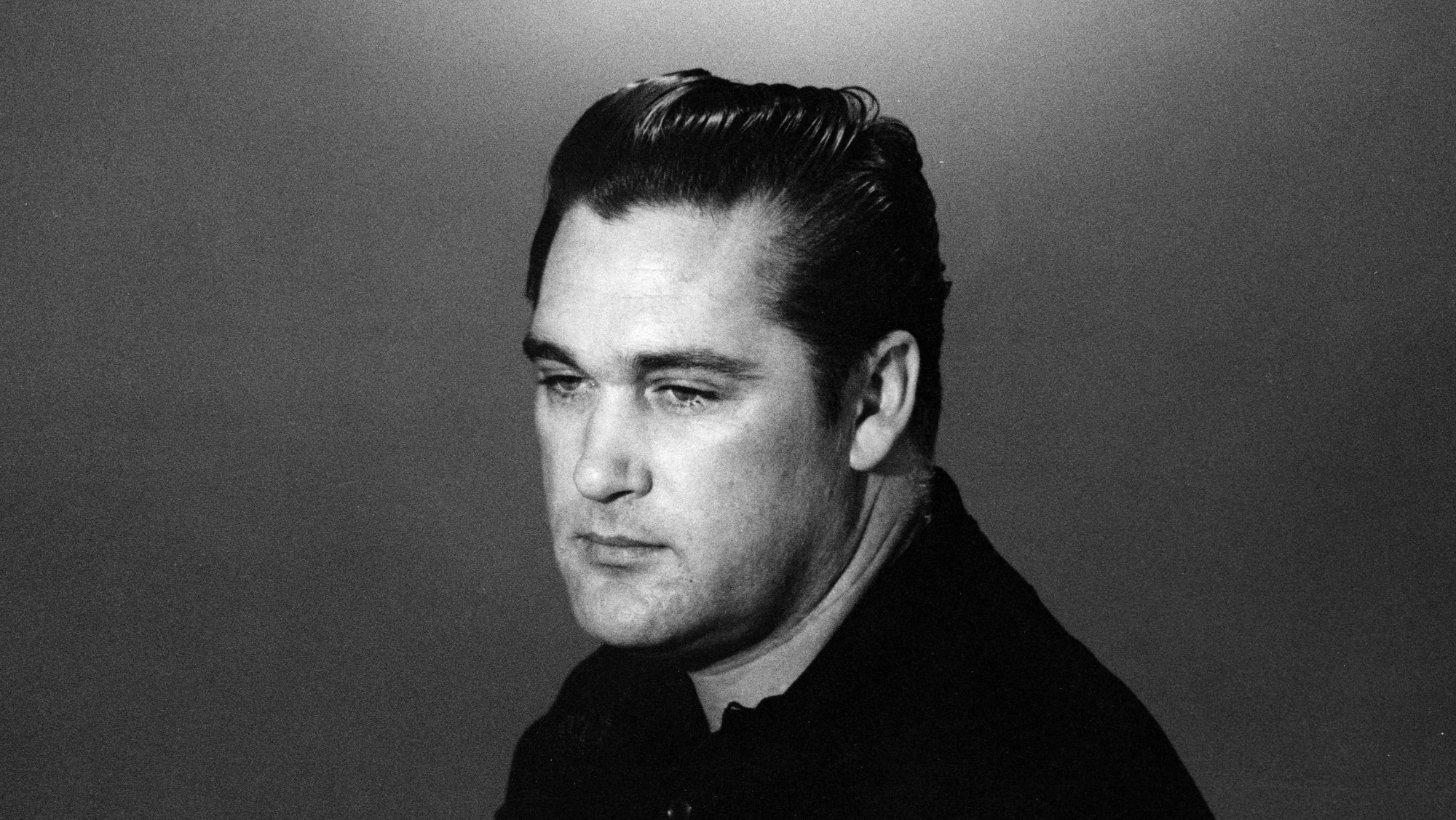
Charlie Rich, who released several hit songs featuring Pete Drake on steel