Your cart is currently empty!



Remember When The Beatles Never Released Paul McCartney’s 14-Minute Avant-Garde Song, Later Vetoed by George Harrison, Ringo Starr, and Yoko Ono
“I said, ‘All I want you to do is just wander around all the stuff, bang it, shout, play it, it doesn’t need to make any sense,’” recalled Paul McCartney on instructing the Beatles to record one of the most offbeat songs he had ever composed. “’Hit a drum, then wander on to the piano, hit a few notes. Just wander around,” McCartney added to his directions. “So that’s what we did, and then put a bit of an echo on it. It’s very free.”
Initially intended for Sgt. Pepper’s Lonely Hearts Club Band, McCartney’s 14-minute, avant-garde song, “Carnival of Light,” was commissioned for The Million Volt Light and Sound Rave for an event held at the Roundhouse Theatre in London from January 28 through February 4, 1967.
Written by McCartney and recorded on January 5, 1967, during the band’s “Penny Lane” sessions at Abbey Road Studios, “Carnival of Light” was a progenitor of noise rock and one of the more experimental pieces by the Beatles. Filled with gargled sounds and vocals, including random bursts of Are you all right? and Barcelona, the track is pressed by heavy organs, echoes, and distorted guitars.
Though never officially released by the Beatles, the song, inspired by experimental composers Karlheinz Stockhausen and John Cage, did play once during the Roundhouse event.
Videos by American Songwriter
[RELATED: The Beatles Release ‘Sgt. Pepper’s Lonely Hearts Club Band’ in 1967]
“It’s The Beatles free, going off piste.”
Barry Miles, author of McCartney’s 1997 biography Many Years From Now, first approached the Beatles about producing a track for the rave event and described the song as having “no rhythm,” with “bursts of feedback guitar,” among other descriptors.
An excerpt from the book describes its musical pattern:
The tape has no rhythm, though a beat is sometimes established for a few bars by the percussion or a rhythmic pounding on the piano. There is no melody, though snatches of a tune sometimes threaten to break through. The Beatles make literally random sounds, although they sometimes respond to each other; for instance, a burst of organ notes answered by a rattle of percussion. The basic track was recorded slow so that some of the drums and organ were very deep and sonorous, like the bass notes of a cathedral organ. Much of it is echoed, and it is often hard to tell if you are listening to a slowed-down cymbal or a tubular bell.
John and Paul yell with massive amounts of reverb on their voices; there are Indian war cries, whistling, close-miked gasping, genuine coughing, and fragments of studio conversation, ending with Paul asking, with echo, ‘Can we hear it back now?’ The tape was obviously overdubbed and has bursts of feedback guitar, schmaltzy cinema organ, snatches of jangling pub piano, some unpleasant electronic feedback, and John yelling, ‘Electricity’. There is a great deal of percussion throughout, again, much of it overdubbed. The tape was made with full stereo separation and is essentially an exercise in musical layers and textures. It most resembles ‘The Return Of The Son Of Monster Magnet’, the twelve-minute final track on Frank Zappa’s ‘Freak Out!’ album, except there is no rhythm, and the music here is more fragmented, abstract, and serious. The deep organ notes at the beginning of the piece set the tone as slow and contemplative.
The 1996 Veto
In all its obscurity, “Carnival of Light” is a song McCartney was always fond of and hoped to release one day. “I like it because it’s The Beatles free, going off piste,” said McCartney. “The time has come for it to get its moment.” In 1996, McCartney wanted to include “Carnival of Light” on the Beatles’ compilation Anthology 2, but the song was vetoed by Ringo Starr, George Harrison, and Yoko Ono.
“We were listening to everything we’d ever recorded [for ‘Anthology’],” remembered McCartney. “I said it would be great to put this on because it would show we were working with really avant-garde stuff, but it was vetoed. The guys didn’t like the idea, like, ‘This is rubbish.’”
In 2017, McCartney teased a possible release of the locked-up song on the 30th-anniversary remaster of Sgt. Pepper’s Lonely Hearts Club Band, but the lost Beatles song still hasn’t seen the light of day.
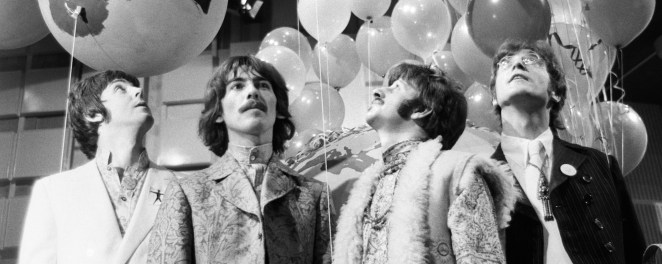
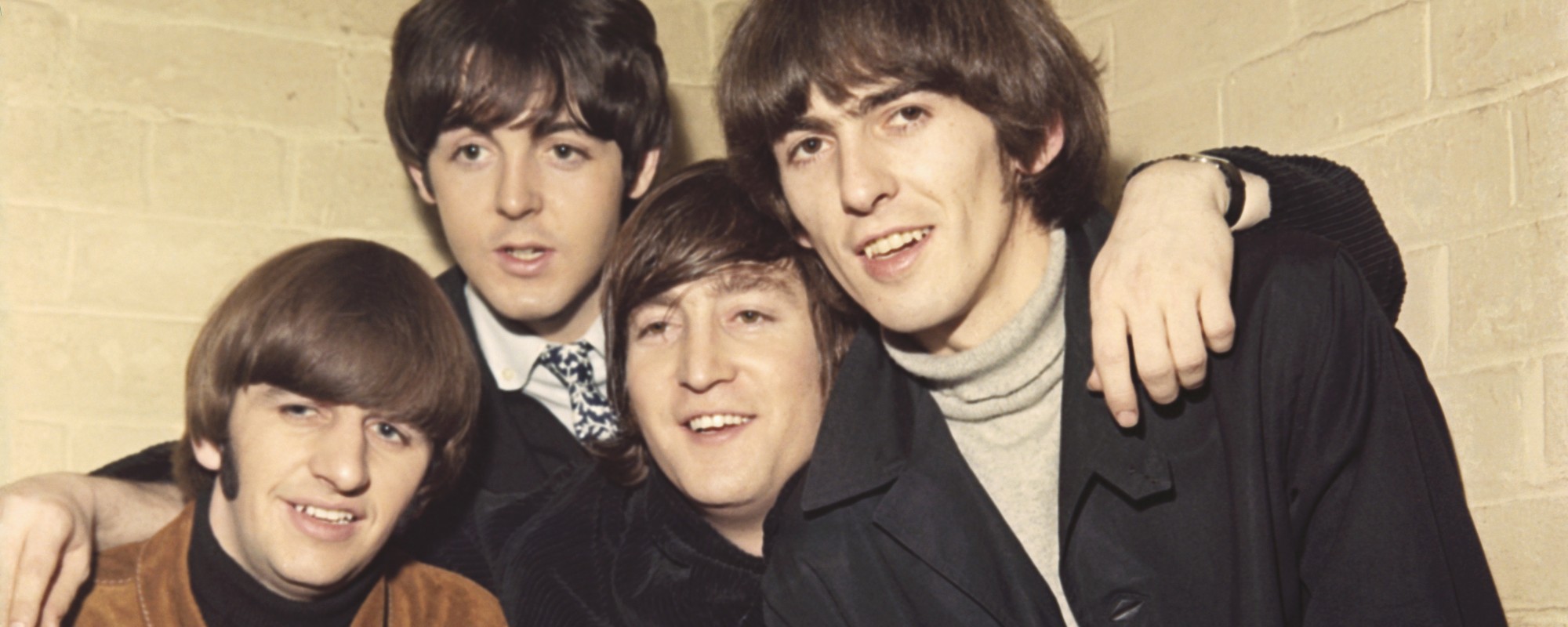
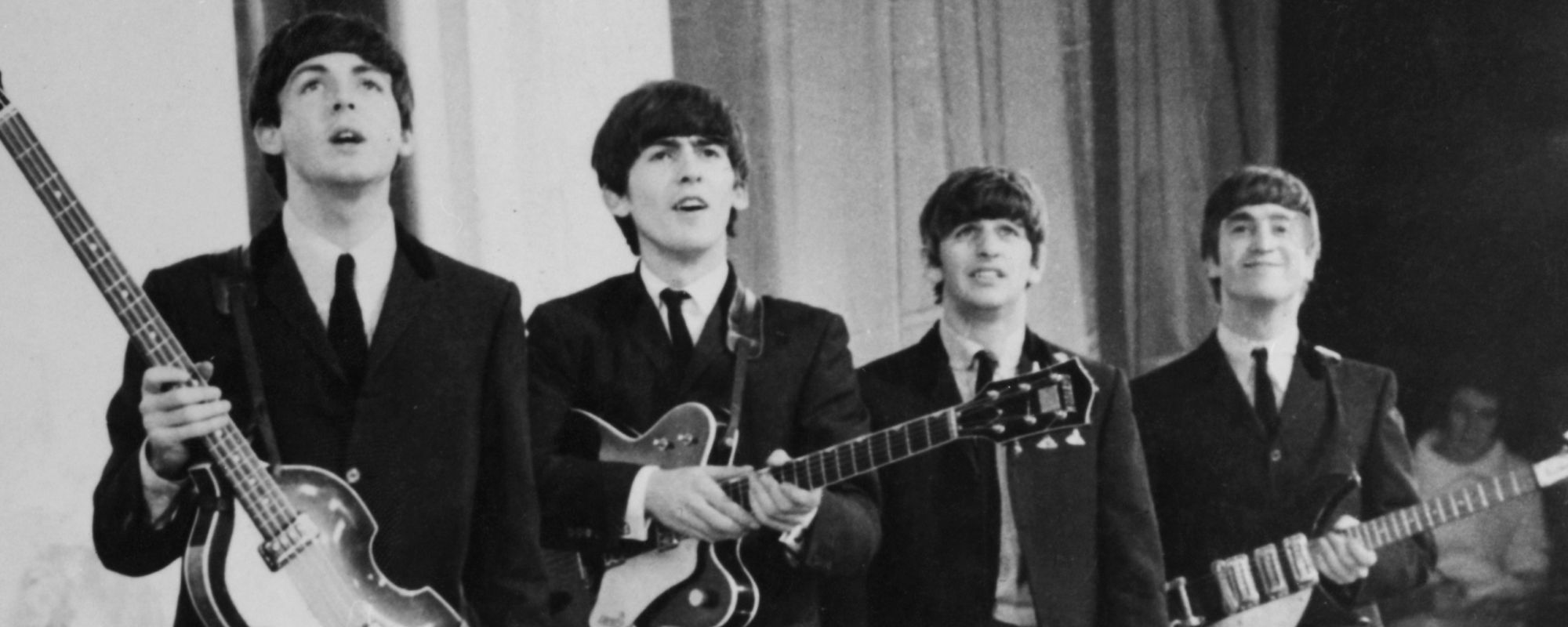
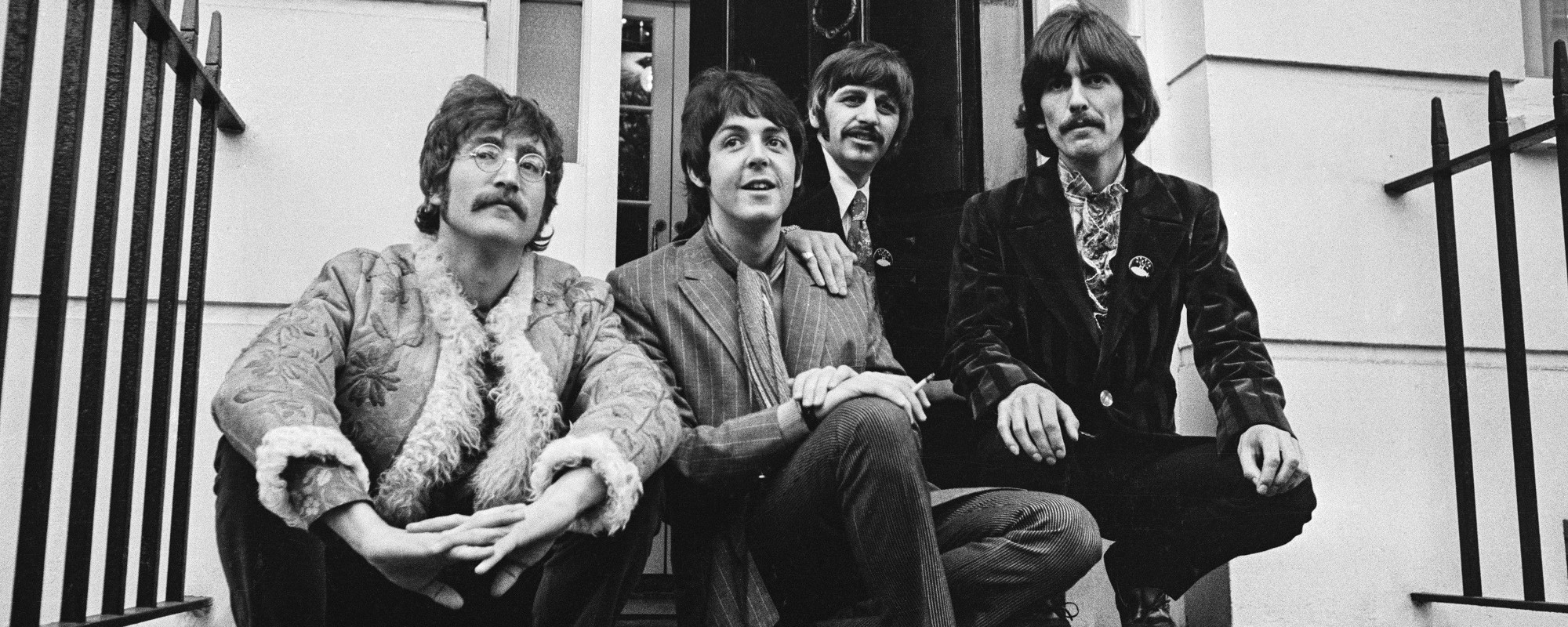
Photo: The Beatles, 1967 (Daily Mirror/Daily Mirror/Mirrorpix/Getty Images)



Leave a Reply
Only members can comment. Become a member. Already a member? Log in.