Your cart is currently empty!


The Story and Meaning Behind “Pop Muzik,” an Early Synth-Pop Standard by M
The late 1970s was one of the wildest eras ever in music, as genres formed and imploded with random, rapid flair. In 1979, “Pop Muzik” seemed to anticipate the decade to come in the way that it melded all those disparate styles into one all-encompassing mix.
Videos by American Songwriter
It was recorded by an outfit named M, but was mostly masterminded by a jack-of-all-trades British musician named Robin Scott. Here’s the story behind “Pop Muzik,” along with a look at its meaning and message.
Putting the M in “Muzik“
Robin Scott was a hyphenate before such a term was frequently used. At his core, the Brit was a singer/songwriter. And he did indeed make a few forays into traditional recording, mostly in a folk vein in the early ’70s.
Nothing much came of these efforts, in part because Scott was ambitiously spreading his talents to many different media and outlets. He developed multimedia projects, produced records, and even helped form a record label that released music from several forward-thinking acts (such as The Slits and Adam and the Ants) of the time.
As the decade wore on, he once again thought of recording, but he didn’t want to simply take the typical singer/songwriter approach. Instead, he put together a loose collective of players, and tried to make a particular statement with each recording they made. One of those recordings was “Pop Muzik.”
Making it “Pop”
Under the pseudonym M, Scott and company released “Pop Muzik” as a single in 1979. Among his collaborators on the song were his brother and girlfriend. He initially attacked the song with an R&B approach. But he decided to switch it up instead and use a synthesizer as the basis for the sound.
Although artists had been using synths to color their recordings for about a decade at that time, it was unusual to hear a song so beholden to the instrument on pop radio. Thus, “Pop Muzik” anticipated the New Romantic sounds that would dominate the early ’80s. That likely pleased Scott, who explained in the book The Billboard Book of Number One Hits he thought a big-tent approach to radio songs was apropos:
“I was looking to make a fusion of various styles which somehow would summarise the last 25 years of pop music. It was a deliberate point I was trying to make. Whereas rock and roll had created a generation gap, disco was bringing people together on an enormous scale. That’s why I really wanted to make a simple, bland statement, which was, ‘All we’re talking about basically [is] pop music.”
What is the Meaning of “Pop Muzik”?
Perhaps the best way of sinking your teeth into “Pop Muzik” is to imagine the words coming from a DJ in some world-encompassing disco. This guy has the rap to get the crowd on his side: Forget about the rat race / Let’s do the milkshake / Sell it like a hot cake. But he also wants his audience to take some of the credit for the music he plays them: I wanna dedicate it / Everybody made it.
He holds a bit of skepticism for the traditional approach to music: Want to be a gunslinger / Don’t be a rock singer. The narrator also wants everyone to groove along with him: Dance in the supermarket / Dig it in the fast lane. His omnipotent beat is there for the whole world to savor: New York, London, Paris, Music / Everybody talk about pop music.
Could the music journeyman Robin Scott have anticipated he’d have a worldwide No. 1 on his hands with “Pop Muzik”? Perhaps not. But considering M’s egalitarian message, one suggesting a music future free of restrictions and boundaries—one that belongs to everybody—it all makes perfect sense in retrospect.
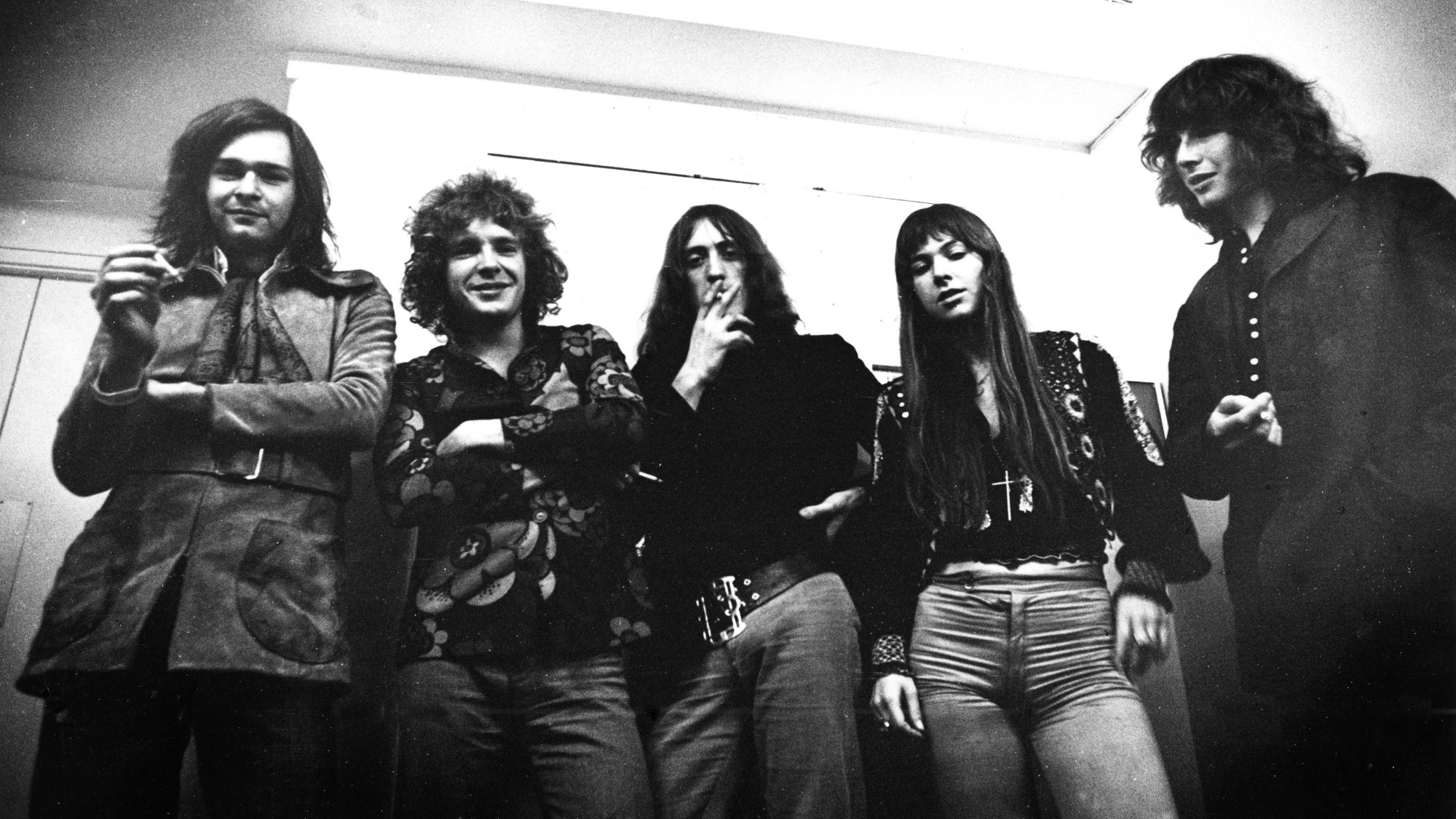
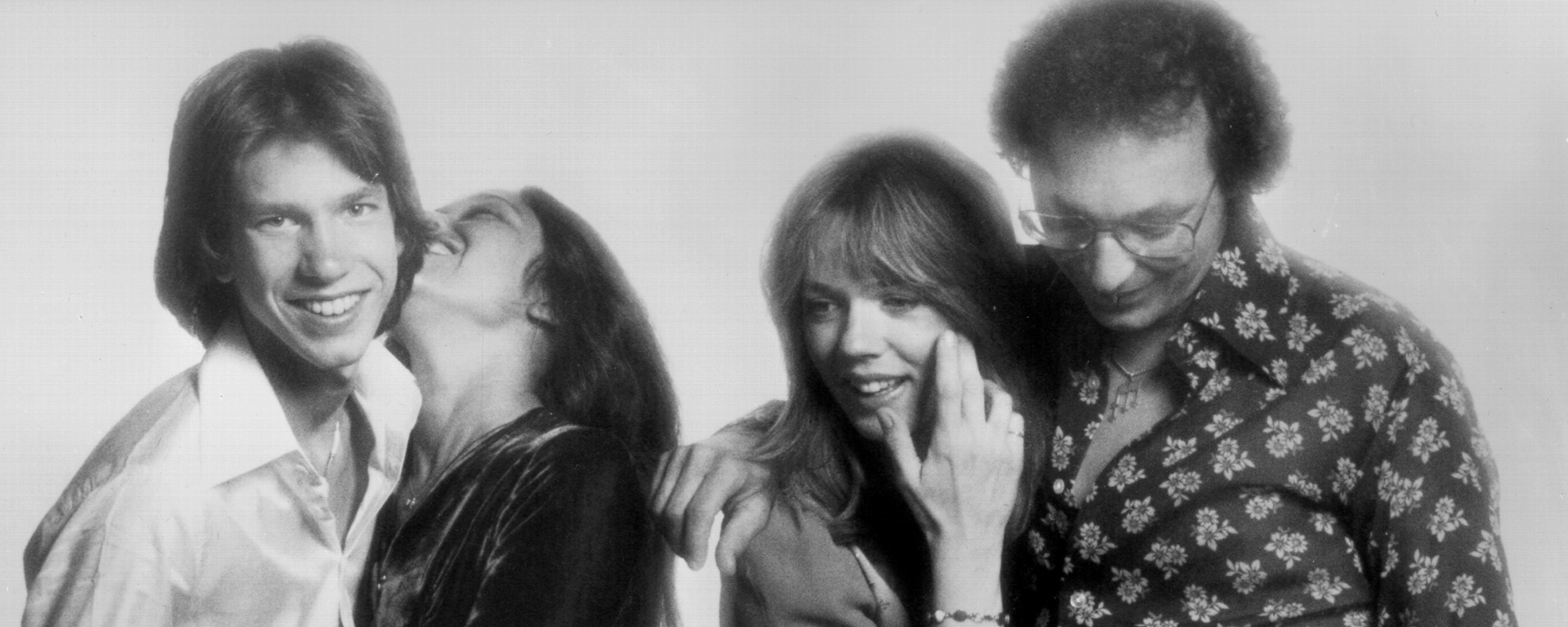
Photo by kpa/United Archives via Getty Images

Leave a Reply
Only members can comment. Become a member. Already a member? Log in.