Your cart is currently empty!



The Unmusical Similarities Between The Beatles and Wings That Paul McCartney Argued the General Public Missed
The general public can be averse to change, to say the least, which makes artistic transformations particularly difficult for ubiquitous musicians. Once the masses are used to seeing these performers in a certain context, it can be challenging for them to accept a new persona, sound, or style. Paul McCartney learned this lesson the hard way in the years immediately following his tenure with The Beatles—as did his wife and new bandmate, Linda McCartney.
Videos by American Songwriter
Paul’s decision to include his wife in Wings, the next band he established after The Beatles broke up, garnered him and Linda flak from the public, press, and even their artistic contemporaries. As a photographer and partner to Paul, Linda had been in the scene for a while. But she wasn’t a musician. Adding to the incredulity of Paul hiring an amateur player for his next band post-Beatles was the über-patriarchal stereotype of men not spending time with their wives.
For example, Rolling Stones frontman Mick Jagger once famously questioned why Paul chose to have his “old lady” on stage, which was undoubtedly meant to imply that Paul having his wife nearby was a bad thing. However, Paul believed it to be the opposite. “The thought of working with complete strangers used to terrify me,” Paul later said. “Having my best mate, my wife, in the new band, was…very comforting.”
There Were More Unmusical Similarities Between The Beatles and Wings
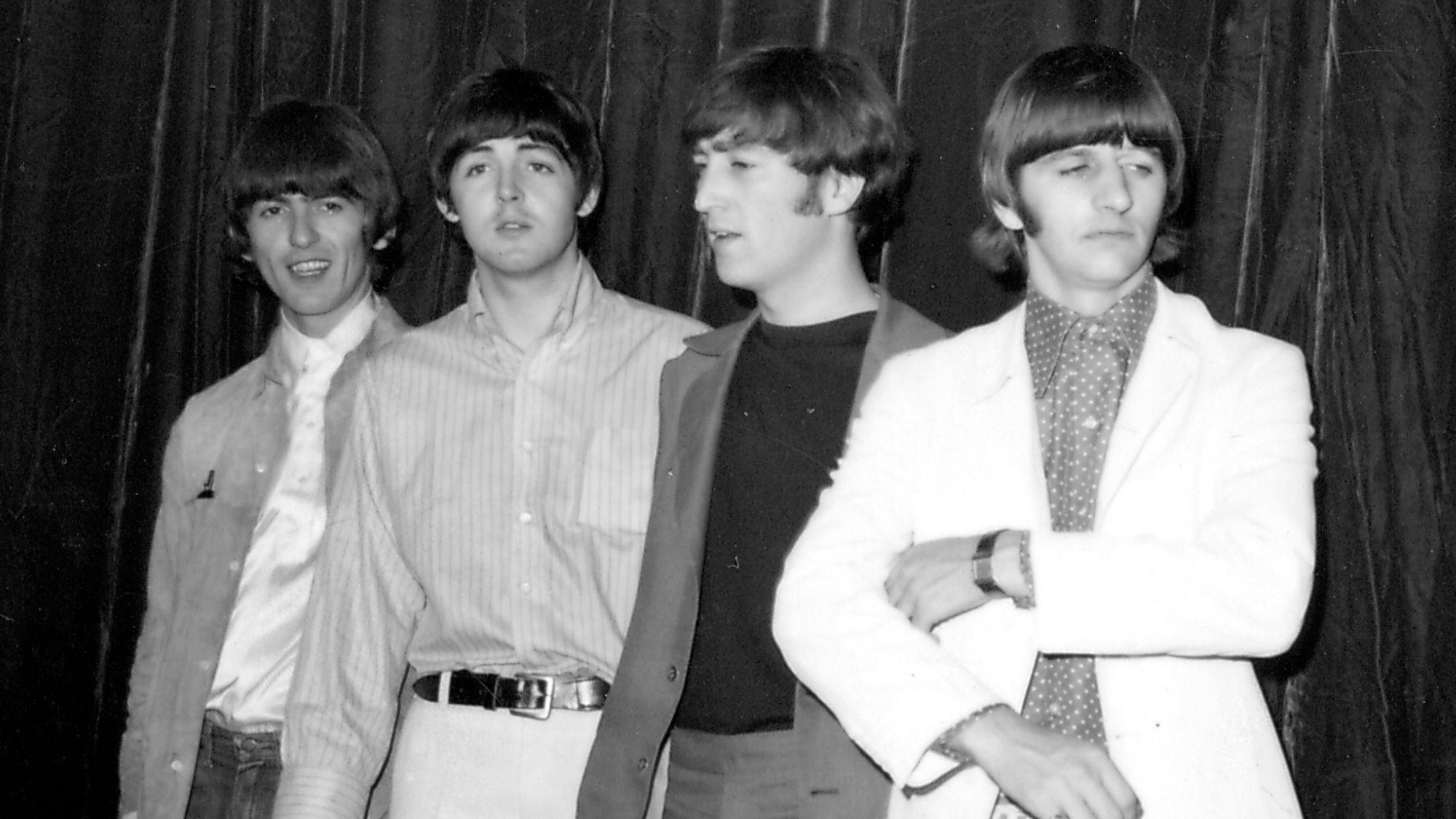
By the time Paul McCartney was first establishing Wings, he was one of the biggest rockstars in the entire world. Love them or hate them, The Beatles had ascended their throne at the pinnacle of musical royalty, which meant McCartney had a lofty reputation to uphold. Many believed it odd that McCartney wouldn’t employ any number of seasoned players in his Rolodex. But as he argued several times in defense of his wife, McCartney made an interesting point: The Beatles weren’t great when they first started, either.
For the most part, The Beatles learned what they knew by rote ear training. They listened to the radio and records and copied what they heard. Then, they drilled those shapes and progressions during hours-long gigs at nightclubs around Liverpool and beyond. Indeed, that early greenness is part of what made their sound so distinctive. The Fab Four didn’t have classical training. Their rule-breaking, experimentation, and rough-around-the-edges style is part of what made their music so appealing in the first place.
That’s what McCartney wanted in Wings, too. “The Beatles weren’t very good when they started out,” he told The Times in 2023. “The Beatles never won a talent contest in their lives.” Moreover, McCartney was far more fond of spending time with Linda than his former bandmates, even on their best days. “I wasn’t motivated by having a fabulous group,” he argued. “I was motivated by not wanting to leave my wife behind. We had only just married. What was I going to do, run off on the road?”
“She was his anchor,” Morgan Neville, director of the Wings documentary Man on the Run, told The Times. “She was the person who kept the outside world at bay and let Paul be whoever he wanted to be.”
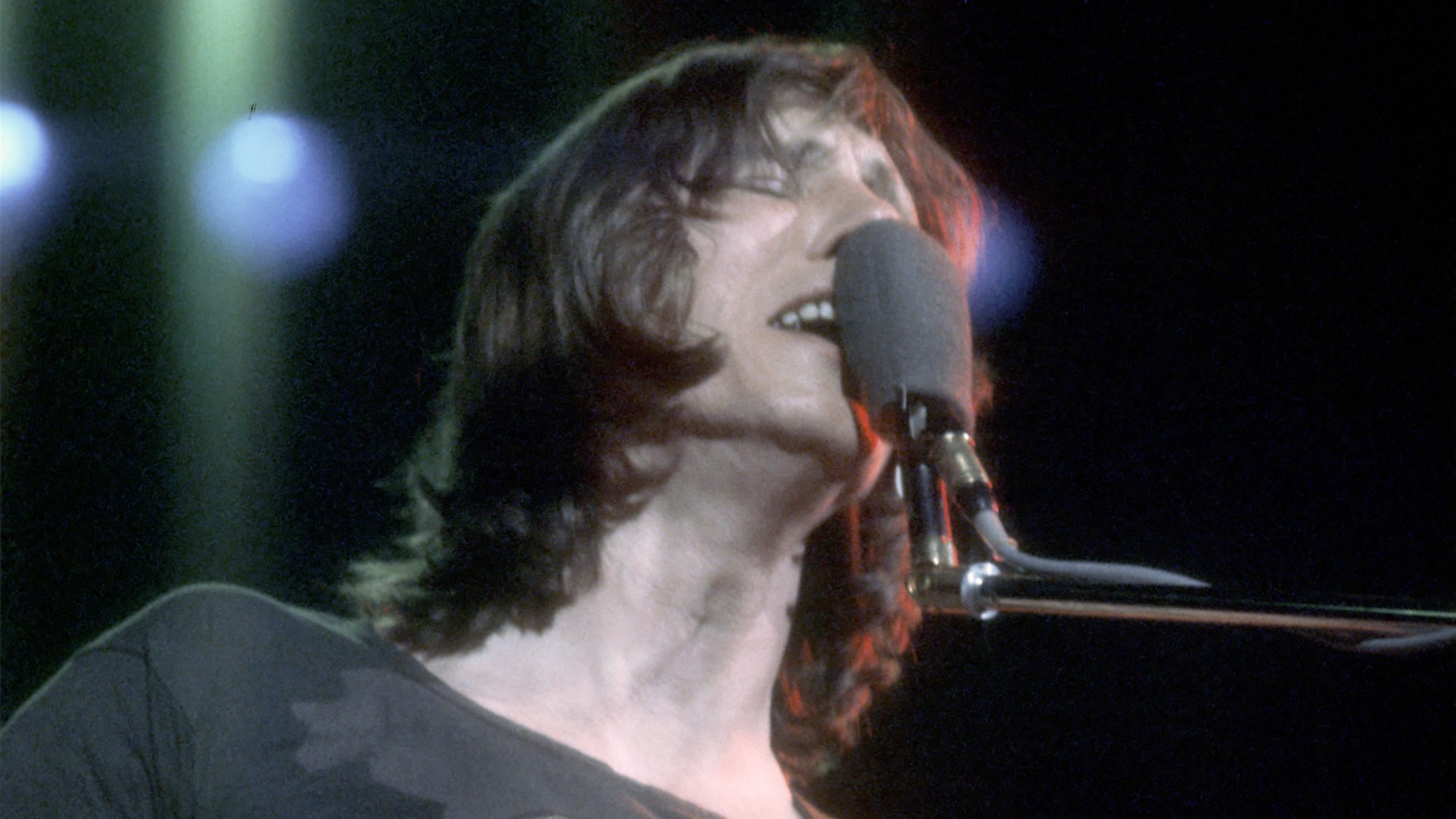
Photo by Keystone/Getty Images



Leave a Reply
Only members can comment. Become a member. Already a member? Log in.