
The best songs are often amalgamations of various sources of inspiration. And The Who’s 1971 track, “Behind Blue Eyes”, is no exception. Pete Townshend has cited several influences for the track that begins as a soft, almost ethereal ballad and evolves into a full-blown rocker reminiscent of the rest of The Who’s catalogue. But one primary inspiration Townshend has repeatedly turned toward is Meher Baba. Baba was an Indian spiritual master for whom Townshend had a great reverence. (Yes, even “Baba O’Riley” pays homage to the guru.)
Videos by American Songwriter
Townshend took to Meher Baba’s teachings on karma, forgoing earthly temptations, and abstaining from drugs. In a lengthy and admiring column for Rolling Stone, Townshend wrote, “What was so sneaky about the whole affair was the way Baba crept into my life. At first, his words were encouraging. His state of consciousness and his claims to be the Christ exciting and daring, later they became scary. It became clear that my party was over. If I read any more lines like, ‘What I want from my Lovers is real, unadulterated love, and from my genuine workers I expect real work done,’ I would have to decide once and for all whether the whole thing was really for me or not.”
The mindset in which Meher Baba’s teachings put Townshend came to color his creative output, including “Behind Blue Eyes”. In several interviews, Townshend has traced the song’s origin to resisting the temptation of a groupie while on the road. Still, the song is not aromantic—in fact, quite the opposite.
Pete Townshend on Writing “Behind Blue Eyes”
According to Rolling Stone Australia, Pete Townshend credits The Who’s “Behind Blue Eyes” as being “the closest to a love song I’ve ever written and managed to get The Who to perform.” A somewhat ironic description, given that he wrote the song about not wanting to give in to the temptation of the groupies that surrounded the band at the time.
Still, loneliness and abstinence were both part of Meher Baba’s teachings. What appears negative to a non-disciple might not seem that way to a follower of Baba’s teachings. Townshend ponders this paradoxical perspective in the song. “My dreams, they aren’t as empty as my conscience seems to be / I have hours, only lonely / My love is vengeance that’s never free.”
The rest of the verses, which feature the narrator lamenting over the fact that “no one knows what it’s like to be him”, speak more directly to a character from Townshend’s unfinished sci-fi rock opera, Lifehouse. If the project had continued, “Behind Blue Eyes” would have been sung by the opera’s main villain, Jumbo. In the opera, Jumbo is “feeling he is forced into playing a two-faced role.” “No one knows what it’s like to be the bad man, to be the sad man behind blue eyes.”
Instead of Lifehouse, The Who released “Behind Blue Eyes” on their fifth studio album, Who’s Next. The song remains a classic in the band’s prolific discography to this day.
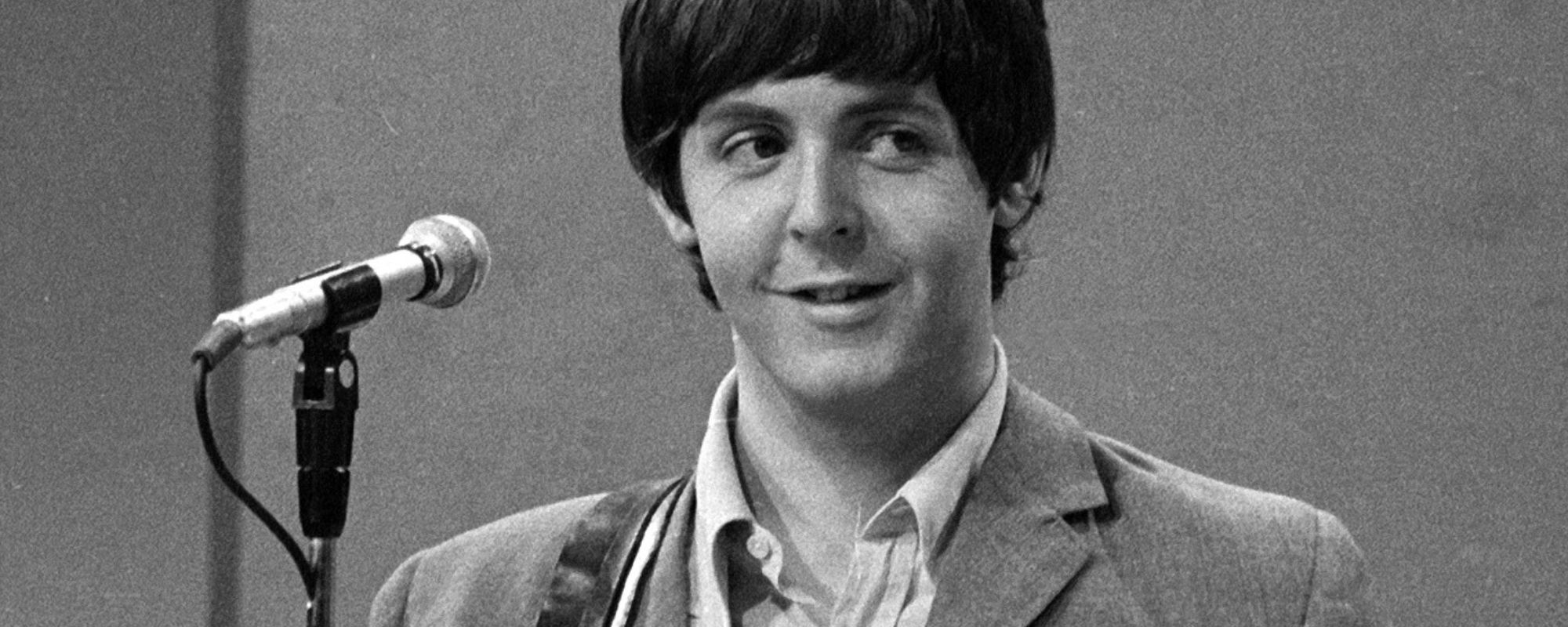
Photo by Michael Putland/Getty Images





Leave a Reply
Only members can comment. Become a member. Already a member? Log in.