Your cart is currently empty!



This 1974 One-Hit Wonder Said Their Biggest Song “Scared Them to Death,” and It’s Easy to See Why
Few things in life are as existentially terrifying as the passing of time, losing loved ones, and the ways those phenomena shape our lives, affect our relationships with family, and inform future generations. The full weight of these universal struggles is almost too heavy to bear in totality, leaving us to compartmentalize and rationalize however we can to keep putting one foot in front of the other. But in 1974, Harry Chapin put these feelings into the spotlight with his sole No. 1 hit, “Cat’s in the Cradle”.
Videos by American Songwriter
In under four minutes, Chapin’s “Cat’s in the Cradle” summarizes a parent-child dynamic to which many of us can relate with painstaking accuracy. When the child is young, the parent is too busy to spend time with their child. Once the child is an adult, and the parent has finally slowed down in their golden years, the child is too busy for the parent.
“When you coming home, dad? I don’t know when” turns into “When you coming home, son? I don’t know when.” On and on the cycle goes, like a bittersweet revolving door. It was one that Harry Chapin knew all too well as a busy touring artist with a young son at home, which is why he would later say that the song “scared him to death.”
How a Country Song and an Ex-Father-In-Law Helped Inspire “Cat’s in the Cradle”
Harry Chapin wrote his 1974 one-hit wonder, “Cat’s in the Cradle”, with the help of a poem that his wife, Sandy Chapin (née Gaston), wrote. Gaston wrote the poem after listening to a country song about two parents looking out at their backyard and reflecting on how quickly their children had grown up. She also loosely based the song on the relationship of her ex-husband and his father, who had an oddly non-communicative dynamic. “It struck me in hindsight,” Gaston recalled, “and I realized that you have to be in communication with your children from the time they’re two years old.” When Gaston first showed Chapin the poem, the singer-songwriter thought it was nice, but he didn’t start writing the song right away.
Unsurprisingly, it wasn’t until after Chapin and Gaston had their first son, Josh, that the words to Gaston’s poem really began to resonate in Chapin’s heart. “I’m assuming he was looking at things differently after Josh was born,” Gaston said. “But he didn’t really talk about it to me. Harry wrote exactly the right upbeat melody over a sad lyric, and it was very catchy and repeatable, so people could sing it. The other thing is there is probably a twitch in people’s brain from their childhood, a familiarity. It was a happy combination of circumstances.”
Interestingly, Chapin’s wife tried to discourage him from releasing “Cat’s in the Cradle” as his fourth album’s lead single. “I said, ‘You can’t do that. It’s ridiculous,” Gaston said. “That song will only appeal to 45-year-old men, and they don’t buy records.” After the song became Chapin’s only No. 1 hit, Gaston said, “It just goes to show how wrong you can be.”
The Song Summarizes a Lesson That Is Often Learned in Hindsight
Harry Chapin’s 1974 hit, “Cat’s in the Cradle”, continues to be a poignant reminder that life often moves more quickly than we anticipate. So often, we become bogged down with the hum-drum of daily life, jobs, and aspirations that we forget to enjoy the present. For parents, this can be especially saddening, as they realize too late that they didn’t enjoy their kids’ childhoods until they were over. That’s why Chapin often told live audiences that “Cat’s in the Cradle” scared him. As a touring musician, Chapin knew he was in danger of being the same kind of father (and his son, the same type of child) that he sang about in the iconic folk song.
That universality wasn’t lost on Chapin or his wife, Sandy Gaston. “Everybody has a piece of that experience,” she reflected. “We still get letters about that song today. Parents responded by deciding they were going to do better and be home for their kids more. The whole point of the story is that we learn our lessons in life by making mistakes, by trial and error, by experience. It would be great if we could learn about the future ahead of time. But we have to learn the hard way. It’s like the old saying, ‘too old too soon, too wise too late.’”
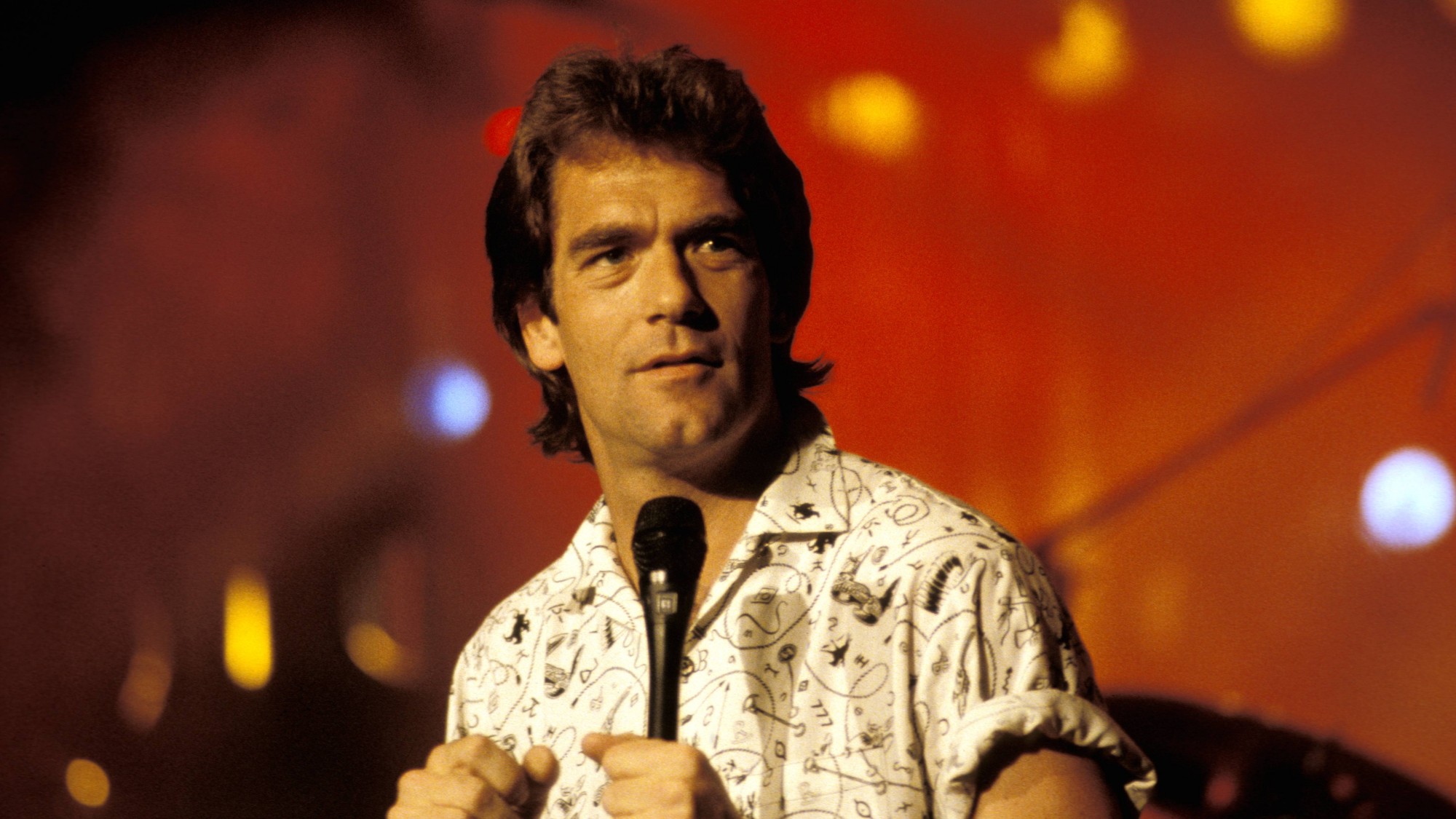
Photo by Hulton Archive/Getty Images



Leave a Reply
Only members can comment. Become a member. Already a member? Log in.