Your cart is currently empty!



This “Dark” CSNY Album’s Name Took on a Whole Different Meaning by the Time the Band Was Done Making It
David Crosby, Stephen Stills, Graham Nash, and Neil Young’s debut album as a quartet might have started as a reflection of the Buddhist concept of reincarnation, but by the time they released the album, it had become a sort of demented Groundhog Day situation. (This was thirteen years before the Bill Murray comedy would come out, but you get the idea.)
Videos by American Songwriter
In short, the 1970 CSNY debut, Déjà Vu, was a far more tedious process than easygoing tracks like “Our House” and “Teach Your Children” might suggest. To quote Stills from a 1971 interview with Hit Parader, “Getting that second album out was like pulling teeth.”
Tragedy and Heartbreak Permeated the Early CSNY Sessions
An artist’s state of mind will naturally seep into the art they produce. In 1969, these emotions felt optimistic and hopeful. By the following year, personal tragedies and heartbreaks cast a dark cloud over the trio-turned-quartet and, in turn, over the music they created.
David Crosby was deep in the throes of grief over his girlfriend, Christine Hinton, who died in a car crash just before CSNY were scheduled to record. “I was at the worst place I’d been in my whole life,” Crosby later told Crawdaddy. “I would walk into the sessions and break down crying.”
The other members were experiencing their own kind of heartbreak. Stephen Stills and Judy Collins broke up before they recorded Déjà Vu, as did Joni Mitchell and Graham Nash. Neil Young had his own cloudiness to him, if for no other reason than he was a recent addition to the group and had a better temperament for working alone. (And most of the time, he did.)
How the Album Title, ‘Déjà Vu’, Took on a Whole New Meaning
Originally, David Crosby wanted to name the second CSN (and first CSNY) album Déjà Vu after the Buddhist concept of reincarnation. But by the end of the tedious recording process, the repetition felt more torturous than enlightening. The quartet largely recorded the process separately, overdubbing individual parts over pre-recorded tracks and mixing apart from one another. This made the entire recording process far more laborious than it might have been live-tracking in the same room.
“It took 800 hours to produce,” Stephen Stills told Hit Parader. “The first album took 600 hours. There was song after song that didn’t make it. Others had to be worked on an awful lot. The track, ‘Déjà Vu’, must have meant 100 takes in the studio.”
As cumbersome as the album felt to make, it proved to be a commercial success. Top 40 singles like “Woodstock”, “Teach Your Children”, and “Our House” bolstered the album to the top of the charts in the U.S., Canada, Australia, and the Netherlands. Déjà Vu was so successful and beloved, in fact, that the album helped boost the subsequent solo albums from the quartet’s members. In 2023, the U.S. Library of Congress selected this iconic 1970 album for preservation in the National Recording Registry.
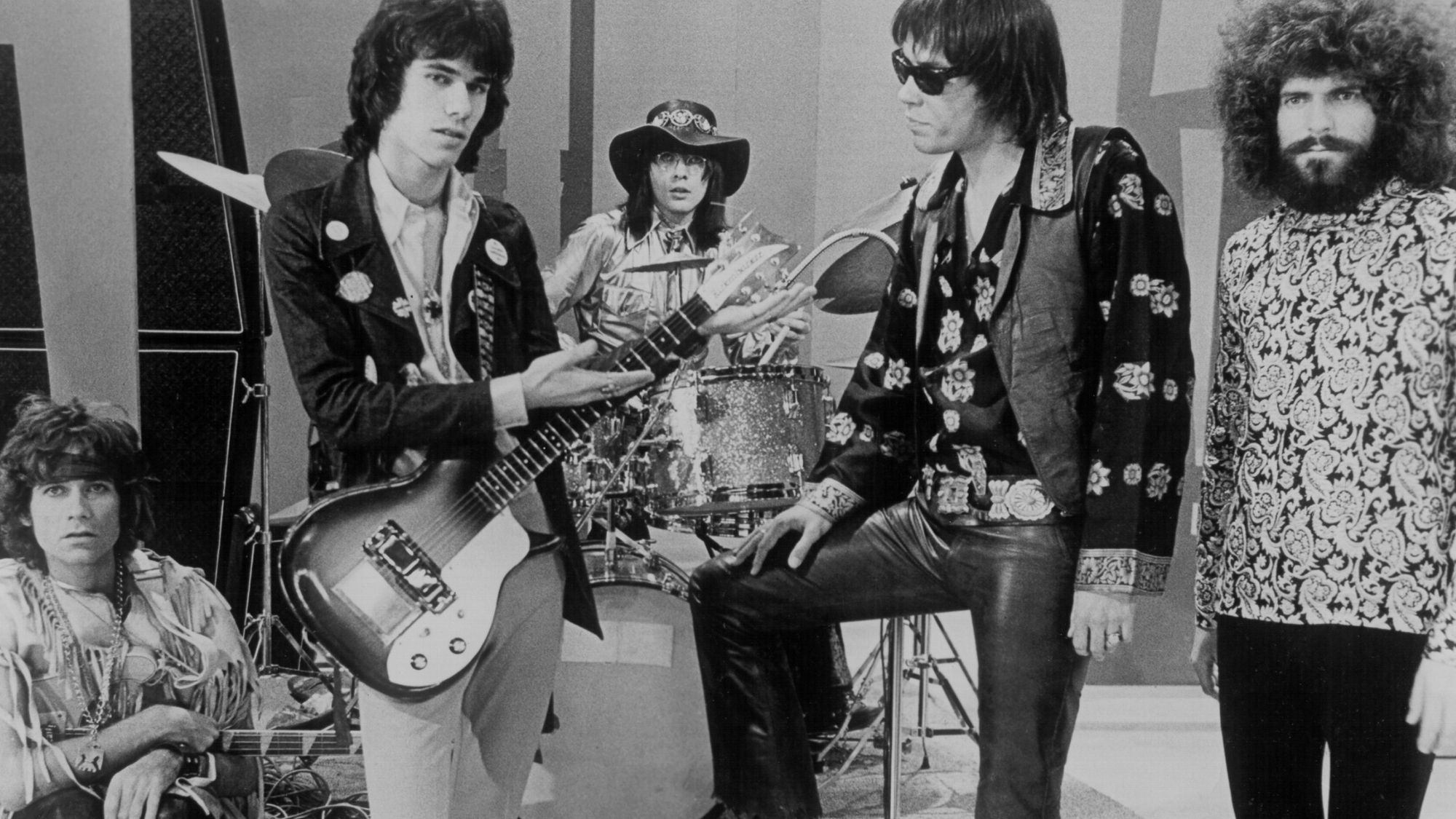
Photo by Tom Copi/Michael Ochs Archives/Getty Images
Leave a Reply
Only members can comment. Become a member. Already a member? Log in.