The Vietnam War was a 20-year event. However, it ended up defining much of the culture and music of the 60s. Whether you’re listening to Bob Dylan or The Animals, you can’t deny the war’s impact on pop culture. Here are some songs from this time that Vietnam veterans will likely remember.
“We Gotta Get Out Of This Place” by The Animals
One of the biggest anthems for American soldiers was actually performed by a British band, The Animals. It was, however, written by Barry Mann and Cynthia Weil, an American songwriting couple. The lyrics of “We Gotta Get Out Of This Place” would eventually become very relatable to U.S. troops in Vietnam. Their numbers grew from about 184,000 to 536,000 between 1966 and 1969.
Videos by American Songwriter
“We gotta get out of this place / If it’s the last thing we ever do / We gotta get out of this place / ‘Cause girl, there’s a better life for me and you.”
“The Letter” by The Box Tops
Even though this song isn’t necessarily narrated from a soldier’s perspective, the idea of getting a letter from a loved one and wanting to book the next flight home probably resonated with a lot of soldiers at the time it came out. This one was written by songwriter Wayne Carson Thompson, who also co-wrote Brenda Lee’s “Always On My Mind”. The lyrics to “The Letter” were partly inspired by pages of lyrics his father gave him. Producer Dan Penn added an aeroplane sound to the track on this song, which really contributes to the feeling of wanting a flight home.
“Fortunate Son” by Creedence Clearwater Revival
The 60s were full of anti-war movement songs, and “Fortunate Son” was one of the best. John Fogerty, the frontman of Creedence, wrote this one about the unfairness of the draft. People in positions of power could oftentimes avoid being drafted or get placed in much less difficult positions, while those without a tie to the government didn’t have it that easy.
“…They seemed privileged and whether they liked it or not, these people were symbolic in the sense that they weren’t being touched by what their parents were doing,” Fogerty shared in his autobiography. “They weren’t being affected like the rest of us…”
Photo by: David Redfern/Redferns
More The List
-
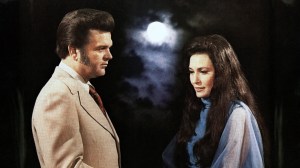
CIRCA 1979: Loretta Lynn and Conway Twitty pose for a portrait in circa 1979. (Photo by Michael Ochs Archives/Getty Images) -
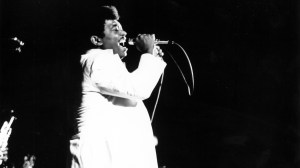
UNSPECIFIED – CIRCA 1970: Photo of Percy Sledge Photo by Michael Ochs Archives/Getty Images -
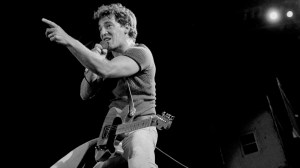
Bruce Springsteen and E Street Band perform in concert during the last show of the Born in the U.S.A. Tour, October 2, 1985 in Los Angeles, California. (Photo by Bob Riha, Jr./Getty Images) -
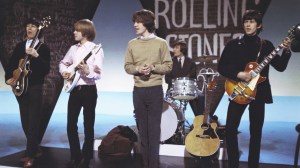
LONDON, ENGLAND – CIRCA 1965: British Rock Group "The Rolling Stones" perform on a TV Show in London, England circa 1965. Left to right: : Bill Wyman, Brian Jones, Mick Jagger, Charlie Watts, Keith Richards. (Photo by Cyrus Andrews/Michael Ochs Archives/Getty Images) -
OAKLAND, CA – SEPTEMBER 2: Joe Bouchard and Buck Drama playing with 'Blue Oyster Cult' performing at Oakland Coliseum in Oakland, California on June 6, 1981. (Photo by Larry Hulst/Michael Ochs Archives/Getty Images) -
NEW YORK – 1977: David Byrne and Tina Weymouth of The Talking Heads perform live at GBGB in 1977 in New York City, New York. (Photo by Stephanie Chernikowski/Michael Ochs Archive/Getty Images) -
Photo by Richard E. Aaron/Redferns -
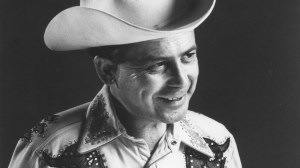
UNSPECIFIED – CIRCA 1970: Photo of Little Jimmy Dickens Photo by Michael Ochs Archives/Getty Images