
In the mood for some underrated or forgotten folk songs from the heyday of the protest song? These three tunes don’t get as much love as they should, compared to bigger hits from the 1960s and early 1970s. Let’s jog your memory with some politically charged classics, shall we?
“Masters Of War” by Bob Dylan from ‘The Freewheelin’ Bob Dylan’ (1963)
This song is definitely not forgotten by Bob Dylan fans. But it isn’t as well-known as many of his other songs on The Freewheelin’ Bob Dylan, like “Blowin’ In The Wind” or “Girl From The North Country”. This is one of the Bard’s most emotional and aggressive songs. It’s one in which he wishes death on those who perpetrate the suffering and violence of war. Dylan has gone back and forth over the years on whether or not this song is straight from his heart. However, it remains a noteworthy protest song from the era, regardless.
Videos by American Songwriter
“I Ain’t Marching Any More” by Phil Ochs from ‘I Ain’t Marching Any More’ (1965)
Phil Ochs is one of the more underrated protest singers from the Vietnam War era. And one of his songs that could stand to get more love today is “I Ain’t Marching Any More”. This folk song was a passionately controversial tune about the American military industrial complex when the US was just beginning to get involved in the Vietnam War. Ochs would perform it live for the rest of his career, both at concerts and at Vietnam War rallies. Even Ochs himself said that performing this song in 1968 while numerous young men burned their draft cards to a crisp was the “highlight of my career” as he walked off stage.
“Saigon Bride” by Joan Baez from ‘Joan Baez’ (1967)
This is one of Joan Baez’s most biting protest songs from her self-titled 1967 album. “Saigon Bride” is sung from the perspective of a Vietnamese husband. He bids farewell to his wife and laments the fact that they will be killed by the enormous war taking place around them, as will other men and children in their country. It’s a very haunting tune that was co-written with the poet Nina Dusheck, and its abysmal vibe might have led to it not being quite as popular as Baez’s other tunes at the time of its release.
Photo by Rowland Scherman/Getty Images
More The List
-
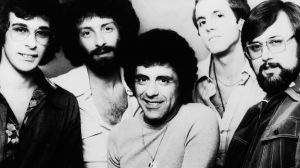
Photo by American Stock/Hulton Archive/Getty Images -
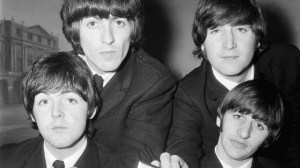
The Beatles pose with their MBEs at a press conference held at the Saville Theatre, London, following their investiture at Buckingham Palace. Top left to right: George Harrison, John Lennon. Bottom: Paul McCartney and Ringo Starr. 26th October 1965. (Photo by Mirrorpix via Getty Images) -
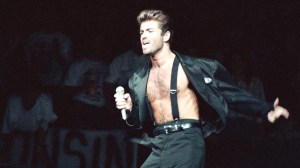
George Michael performing in 1989. (Photo by Jim Steinfeldt/Michael Ochs Archives/Getty Images) -
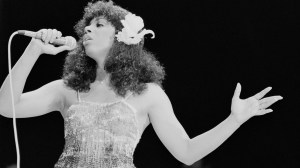
American singer-songwriter Donna Summer (1948 – 2012) performing on stage, USA, July 1979. (Photo by Michael Putland/Getty Images) -
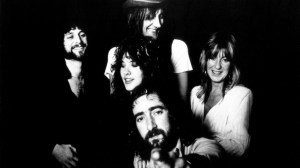
Photo by Michael Ochs Archives/Getty Images -
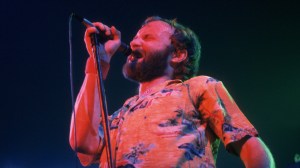
ROSEMONT, IL – JUNE 7: Phil Collins of Genesis performs at the Rosemont Horizon on June 7, 1980 in Rosemont, Illinois (Photo by Paul Natkin/WireImage) -
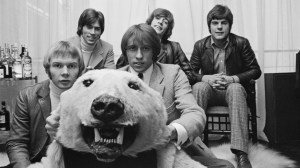
Pop group the Bee Gees posed with a stuffed polar bear in an office in London circa April 1968. Members of the band are, from left, Colin Petersen, Barry Gibb, Maurice Gibb (1949-2003), Robin Gibb (1949-2012) and Vince Melouney. (Photo by Ivan Keeman/Redferns) -
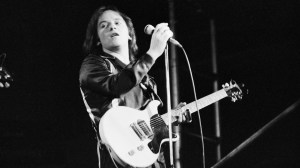
Singer, songwriter and musician Eric Stewart performing with English rock band 10cc, February 1976. (Photo by Michael Putland/Getty Images)