When it comes to music, there may not be two eras more different than the 1950s and 1960s. In many ways, the 1960s were a direct response to the decade prior. The time period was trying to push the 1950s forward out of its black-and-white morass. Well, below, we wanted to highlight three songs from the 1960s that would have made kids from the 1950s blush. These are three memorable songs that pushed the envelope. Indeed, these are three one-hit wonders from the 1960s that 1950s kids weren’t ready for.
“In-A-Gadda-Da-Vida” by Iron Butterfly from ‘In-A-Gadda-Da-Vida’ (1968)
Rock fans in the 1950s got to enjoy the early makings of a genre that would soon take over the world. But by the time the 1960s rolled around, the cute Buddy Holly songs of the 1950s turned into heftier, wilder tracks. For an example of this, check out “In-A-Gadda-Da-Vida” by Iron Butterfly. The song is 10,000 pounds heavier than, say, “Everyday” by Holly and his Crickets. It’s almost a different genre altogether. It’s amazing how much a sound can change in 10 years.
Videos by American Songwriter
“Angel Of The Morning” by Merrilee Rush & The Turnabouts from ‘Angel Of The Morning’ (1968)
As we all know, the 1950s were a much more socially conservative decade than the one after it. The 1960s had people experimenting with drugs, sex, and much more. As a result, standards changed. People took their lives into their own hands. Enter: Merrilee Rush and her rendition of the socially progressive track, “Angel Of The Morning”. The song is all about empowering women to own their romantic narratives. Rush breathed life into the words that many others took to heart.
“San Francisco (Be Sure To Wear Flowers In Your Hair)” by Scott McKenzie from ‘The Voice Of Scott McKenzie’ (1967)
Some songs are just so synonymous with a certain decade that they can’t escape it. That is the case with this 1967 tune by Scott McKenzie. The late 1960s were all about social change. People protested injustices, and they often did so peacefully. There were sit-ins where people held up peace signs and put flowers in their hair. On the West Coast, San Francisco was rising as a beacon for the new era thanks to its progressive ideas and creative communities. All this was fodder for McKenzie, who created a song so much for the decade that it can’t escape it today.
Photo by Michael Ochs Archives/Getty Images
More The List
-
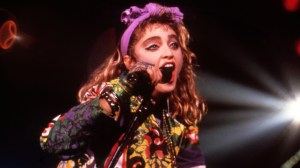
Madonna, who had one of the biggest hit songs of 1985 -
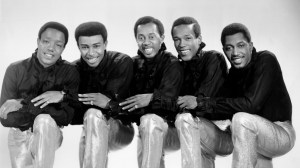
Temptations 050 MichaelOchsArchives.com -
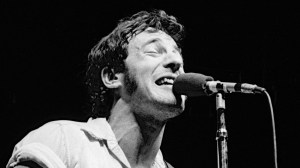
Bruce Springsteen -
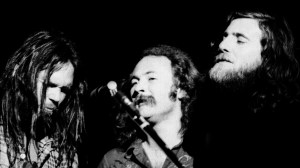
Photo by Larry Hulst/Michael Ochs Archives/Getty Images -
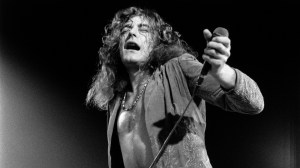
DENMARK – MARCH 02: Photo of LED ZEPPELIN; Robert Plant – Led Zeppelin, March 2, 1973 in Copenhagen, Denmark (Photo by Jorgen Angel/Redferns) -
IRVINE, CA – AUGUST 14: Tom Petty and The Heartbreakers in concert at Irvine Meadows Amphitheater on August 14, 1989 in Irvine, California. (Photo by Jeffrey Mayer/WireImage) -
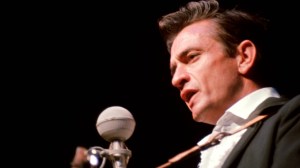
UNITED STATES – JULY 24: Photo of Johnny CASH; Johnny Cash performing on stage, (Photo by Gai Terrell/Redferns)