Your cart is currently empty!



3 Songs From 1968 That Marked the End of the Summer of Love
1967 was coined the “Summer of Love.” In the San Francisco area, hundreds of thousands of people came together to promote peace, community, and togetherness. Music was a significant part of their efforts. Many rockers penned songs that mirrored the movement’s sentiments, joining its ranks from every corner of the U.S. and beyond. However, the late ’60s saw that summer of idealism come to a grinding halt. Many things contributed to this dissolution of hippism, but again, music played a leading role. The three songs below, all released in 1968, helped to bring an end to the “Summer of Love”. They stripped away idealism and focused on the darker sides of life.
Videos by American Songwriter
[RELATED: 3 One-Hit Wonders From the 1960s We Wish We Wrote]
“Sympathy for the Devil” (The Rolling Stones)
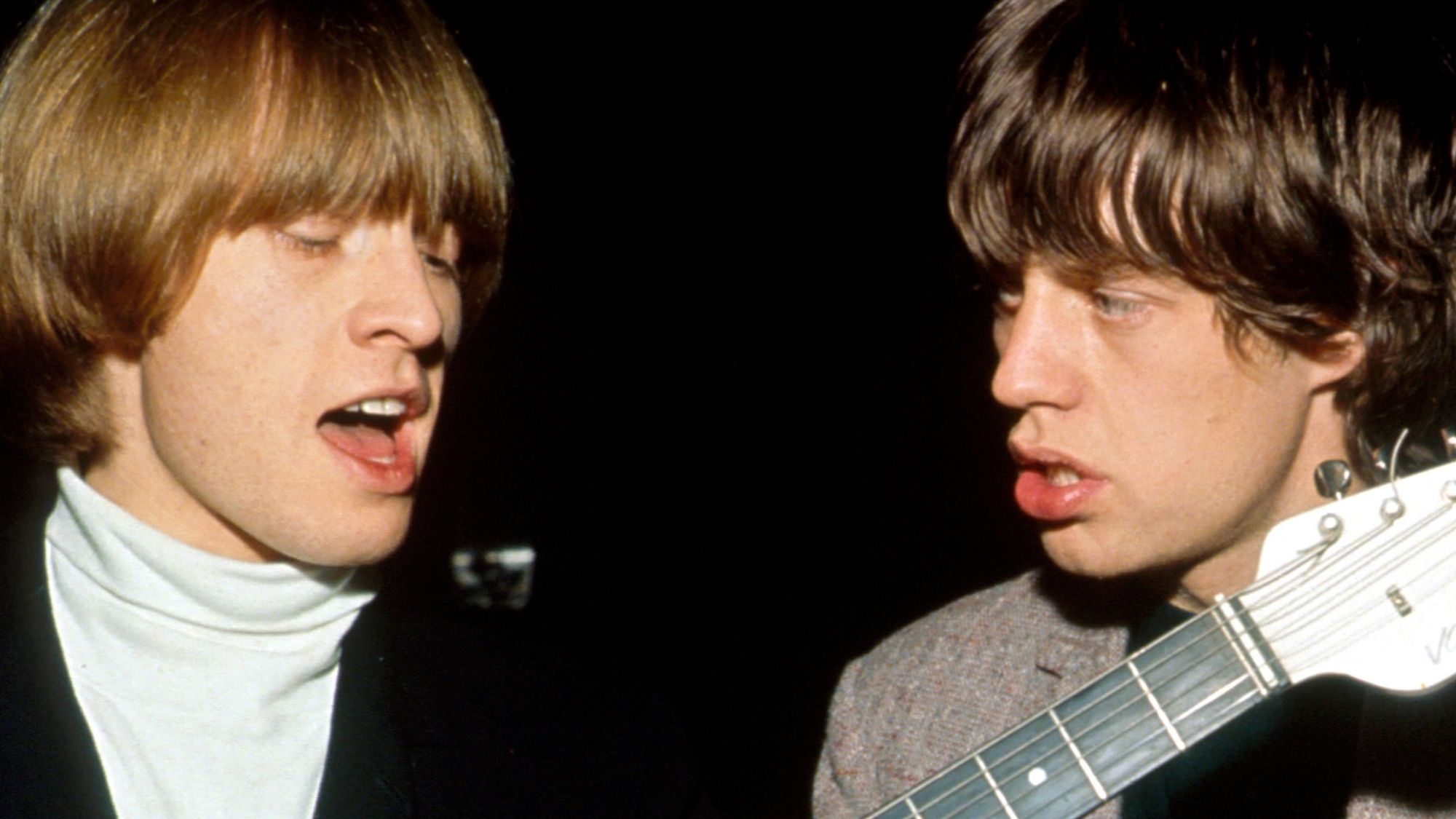
Many blame The Rolling Stones’ infamous Altamont cover for hammering the final nail into the Summer of Love in 1969, but their 1968 “Sympathy for the Devil” also didn’t do it any favors.
This classic rock staple saw the Stones lean into the darker sides of life. While the Summer of Love focused on togetherness and world peace, “Sympathy” touched on discord. The Stones effectively threw a wrench into the hippie mindset with this iconic track.
“White Room” (Cream)
Cream’s “White Room” touches on depression and isolation, two things the Summer of Love shied away from. Though this song was psychedelic enough to keep it a part of hippie culture, thematically it had one foot out the door, readying for the next stage of rock.
While many psychedelic songs of this era were befitting the brightly colored, kaleidoscopic imagery most associate with hippism, “White Room” was much dimmer. There isn’t anything optimistic or vivid about this track, making it the antithesis of the Summer of Love’s music.
“Revolution” (The Beatles)
Not every song popular during the Summer of Love was an attempt to make the world a better place, but many were. Despite the overarching goal of peace in this era, there were different approaches to achieving it. The Beatles spread an anti-violent message in 1986, which, in many ways, can be taken as a dismantling of the idea of fighting for peace.
“Revolution” sees the Beatles advocating for change, but in the most peaceful way possible. But when you talk about destruction / Don’t you know that you can count me out, the bridge lyrics read. Though many in the Summer of Love movement also opposed violence, the Beatles’ message here inadvertently strips away idealism. You can’t have the Summer of Love without idealism.
(Photo by Gijsbert Hanekroot/Redferns)



Leave a Reply
Only members can comment. Become a member. Already a member? Log in.