The Strokes weren’t the first band tagged with saving rock music. Nor were they the last. Just ask Geese. At the very least, Julian Casablancas, Nick Valensi, Albert Hammond Jr., Nikolai Fraiture, and Fab Moretti made guitar bands exciting again.
They released an EP, The Modern Age, at the start of 2001. By fall, their debut, Is This It, arrived in the U.S. with a similar hype we’ve seen recently surrounding Geese. The hype may have faded, but the band didn’t. The Strokes influenced The Killers, Arctic Monkeys, Franz Ferdinand, Phoenix, and many, many others. They may have sounded like the post-punk and garage rock of the past, but after The Strokes arrived, rock music had entered its future.
Videos by American Songwriter
“Last Nite”
Even though “Last Nite” begins with Tom Petty’s riff from “American Girl”, it sounded completely fresh in 2001. Yes, the comparisons to The Velvet Underground, Television, and The Stooges are obvious. But the band felt so new because they also appeared utterly unconcerned with contemporary musical trends. They recorded Is This It with Emagic Logic and Pro Tools but avoided the usual traps of extraneous layering, loops, effects, and the like. When “Last Nite” landed, it reminded me of the first time I heard “Smells Like Teen Spirit”. Something had changed, and rock and roll found itself in a very different place.
“Someday”
This nostalgic tune remains one of my favorite Strokes songs. It reminds me of being in New York in the early 2000s, and how much the city has changed since. “Oh, my ex says I’m lacking in depth. I will do my best,” sings Julian Casablancas in a slacker croon. Though Nick Valensi and Albert Hammond Jr. play upbeat riffs, the urgency, anxiety, and wasted time give the track a sinking melancholy. It’s the real-time history of fading youth that leads to something like Bruce Springsteen’s “Glory Days”.
“Reptilia”
Similar to Oasis and Weezer, The Strokes were faced with following up a stellar debut. So how would they respond? The band convened with Radiohead’s producer Nigel Godrich, but the sessions were soon abandoned. Instead of reinventing, The Strokes leaned further into their minimalist garage rock and returned to working with Gordon Raphael, who had produced Is This It. For lesser bands, “more of the same” would have been a disappointment. However, buoyed by bangers like “Reptilia”, “12:51”, and “The End Has No End”, Room On Fire was indeed fire and left The Strokes with an iconic one-two punch to begin their career.
Photo by Jason McDonald
More The List
-
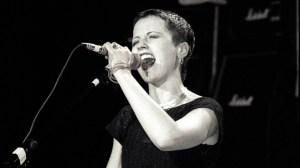
Dolores O'Riordan of The Cranberries performs onstage in San Francisco, California, USA in December 1993. (Photo by Anthony Pidgeon/Redferns) -

Toto, f.l.t.r: Mike Porcaro, Steve Lukather, David Paich, Jeff Porcaro & Steve Porcaro, Amsterdam, 27-9-1982, Foto Rob Verhorst -
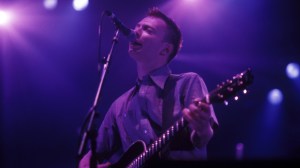
UNITED KINGDOM – NOVEMBER 16: WEMBLEY ARENA Photo of RADIOHEAD and Thom YORKE, Thom Yorke performing live onstage (Photo by Patrick Ford/Redferns) -
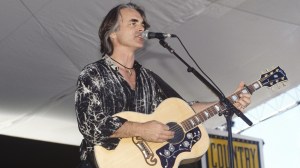
Hal Ketchum performs during Country in the City at Sharon Meadow in Golden Gate Park on October 3, 1992 in San Francisco, California. (Photo by Tim Mosenfelder/Getty Images) -
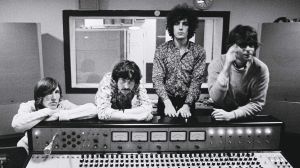
Photo by Andrew Whittuck/Redferns -
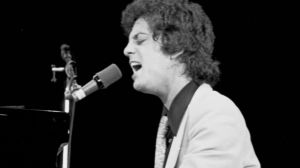
UNIONDALE, NY – FEBRUARY 28: Billy Joel performs at Nassau Coliseum on December 11, 1977 in Uniondale, New York. (Photo by Bobby Bank/Getty Images) -
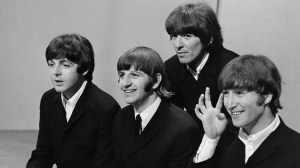
The Beatles on Top of the Pops. 16th June 1966. (Photo by Daily Mirror/Daily Mirror/Mirrorpix via Getty Images)