Your cart is currently empty!



3 Songwriting Decisions That Changed Rock History in the 1960s
Songwriting experienced so many important shifts and changes in the 1960s. From folk to pop, let’s look at a few genre-specific songwriting decisions that the greatest among us made in the 1960s. Many of these decisions changed the course of music history in a big way.
Videos by American Songwriter
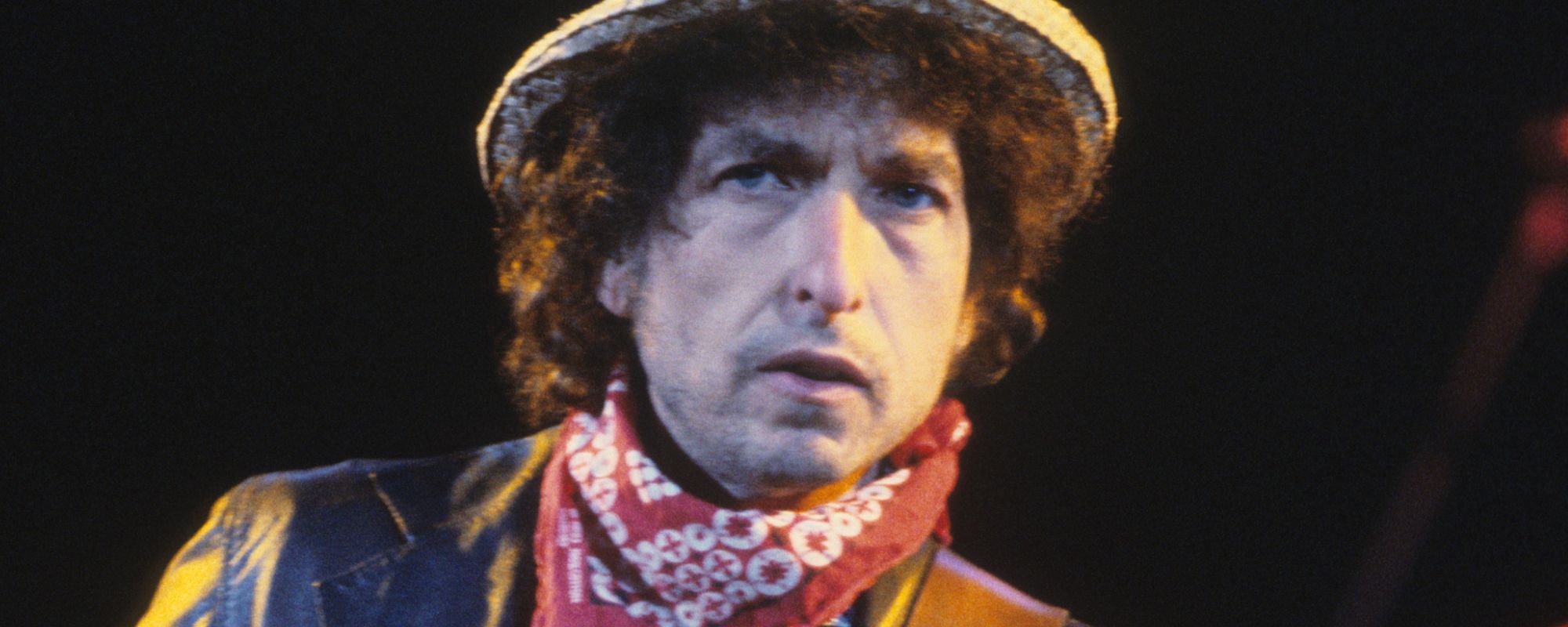
Bob Dylan Went Electric in 1965
Well, this one was a shoo-in. Was there a moment more legendary, more influential, or more iconic than when folk musician Bob Dylan hit the stage at the Newport Folk Festival in 1965 with electric instruments in tow? He may have been met with boos from diehard traditional folk fans. But his works, especially “Like A Rolling Stone” would blur the boundaries between rock and folk in a major way. Without him, who knows if folk rock or literate songwriting in rock music as a whole would have ever happened in the 20th century?
Jimi Hendrix Revolutionized How Rock Stars Played the Guitar in 1967
Jimi Hendrix took his instrument and entirely changed the way guitarists and rock stars approached music. Many of his own songs were built around heavy riffs and ethereal texture. I doubt anyone who was in the writing room with Hendrix witnessed him trying to stick to the pop standard “verse-chorus-verse” formula. He did everything differently. He expanded the vocabulary of rock music into the guitar itself as an extension of one’s voice and mind. With Hendrix, the guitar was no longer a secondary factor; it was the star of the show.
The Beatles Opted for Experimental Themes Over Love Songs in the Mid-to-Late 1960s
The Beatles were the biggest band of the 1960s, and they wrote most of their own songs. That alone should earn them a spot on our list of influential songwriting choices that changed the world in the 1960s. However, I want to look at something specific that is of note. The Beatles really did change the rock music game by opting for experimental themes over sappy or sensuous love songs.
The Beatles were definitely known for their love songs, of course. But from 1965 onward, the band (with principal songwriters Paul McCartney and John Lennon) opted to write more experimental and introspective songs. From “A Day In The Life” to “Tomorrow Never Knows”, the Fab Four adopted psychedelia and experimental themes into their music. And they paved the way for other rock acts to abandon sticking to love songs alone.
Photo by Leicester Mercury/Mirrorpix/Getty Images
Leave a Reply
Only members can comment. Become a member. Already a member? Log in.