Your cart is currently empty!



5 Stories You Might Not Know Behind the Songs on The Rolling Stones’ ‘Beggars Banquet’
In their illustrious career, The Rolling Stones have released plenty of hugely impactful albums. Beggars Banquet, released in 1968, ranks as perhaps the most important album of the entire lot. Not only did it reset their artistic priorities, but it also began a stretch of albums rarely matched in music history.
Videos by American Songwriter
Many of the songs from Beggars Banquet have become legendary in the annals of rock and roll. You probably know those songs well. But you might not know some of the trivia and stories behind the songs.
Girlfriends Welcome
The Rolling Stones tried many different ways to record “Sympathy For The Devil”, which started out as a Bob Dylan-style folk song written by Mick Jagger. They eventually came up with a samba-style rhythm. That brought out all the alluring and dangerous qualities of the lyrics. In the song, a steady refrain of “whoo-hoo” syllables can be heard answering Jagger’s exhortations. Anita Pallenberg and Marianne Faithfull, girlfriends at the time of Keith Richards and Jagger, respectively, were among the chorus of voices singing that part.
Brian’s Last Major Role
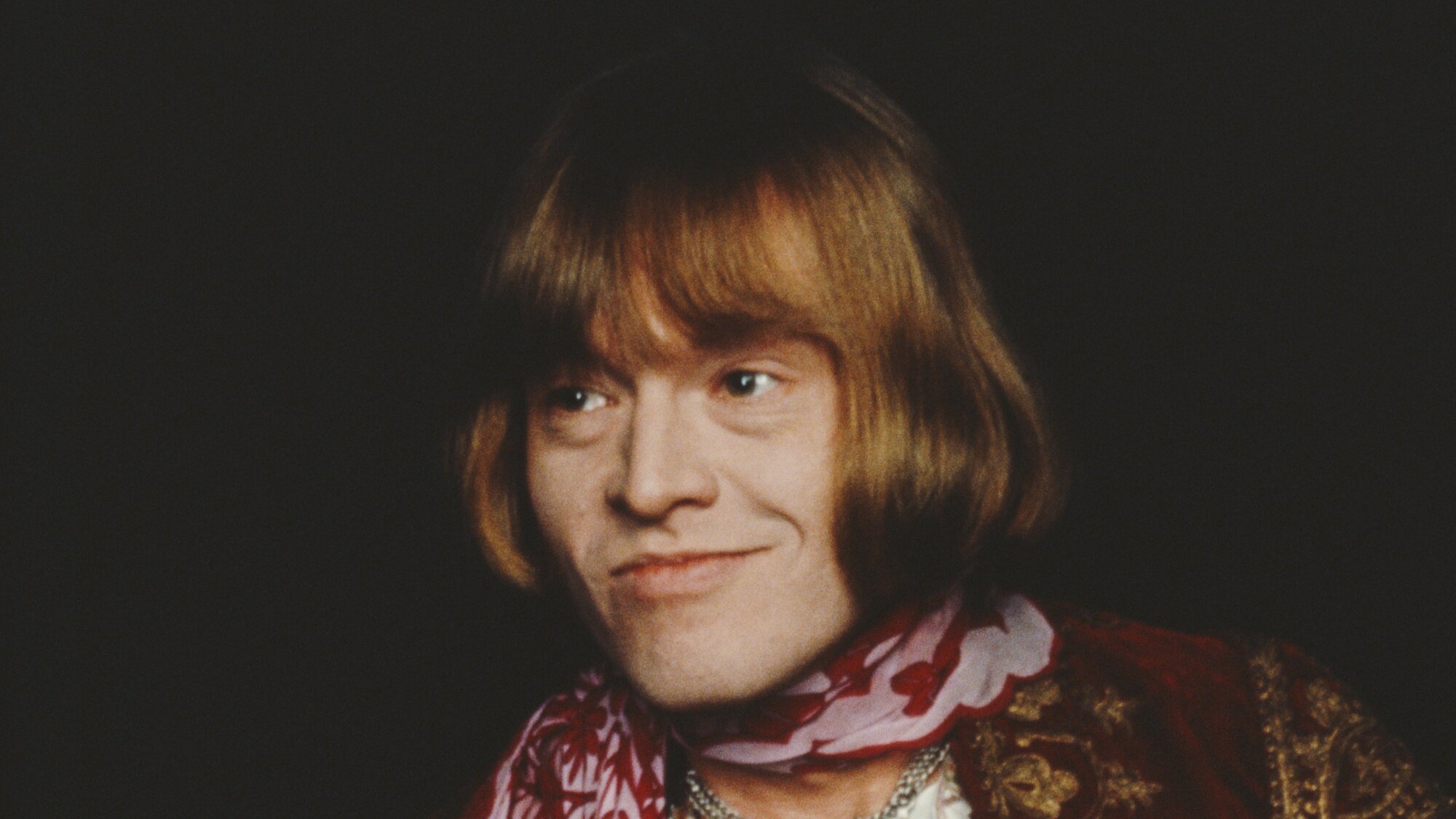
Brian Jones was one of the founding members of the Stones. His purist approach to the blues set the tone for the band’s artistic approach in their early years. And his work on a variety of instruments colored some of the group’s biggest hits of the mid-60s. By the time they made Beggars Banquet, however, he wasn’t contributing much at all. Jones did rise to the occasion with an evocative slide guitar part on “No Expectations”. It would be one of the final times he would play a significant role in one of the band’s recordings.
No More Flower Power
The Rolling Stones had participated in the psychedelic era of rock willingly. And they’d succeeded at times when doing so, with gorgeous flower-power songs like “Ruby Tuesday” and “She’s A Rainbow” the result. But the band realized that they were straying from their bruising, bluesy roots. Even though there are touches of psychedelia here and there on Beggars Banquet, the Stones mostly recommitted to the music that first inspired them. Songs like “Parachute Woman” were the result.
Suitcase Drums
“Street Fighting Man” represented the Stones’ take on revolution, as they openly wondered whether the raucous protests around the world at that time made much difference. Musically, the song benefits from Keith Richards’ cleverness in the recording process. He used a cassette to record the basic track, including him and Charlie Watts. Watts played a kind of portable drum kit that opened up from a suitcase, a vintage contraption dating back to the 30s. Drumming on that kit created the walloping sound that you hear on the finished track.
Keith the Closer
Keith Richards took a while before he felt comfortable on lead vocals with the Stones. His first attempt came on “Something Happened To Me Yesterday”, a quasi-novelty number in 1967. When he took lead again on “Salt Of The Earth”, however, he captured a much more somber, bluesy vibe. (Jagger shared vocals with him on the song.) This would turn out to be the unofficial start of a tradition where Richards would close out a Stones album with a mournful lament, a la future classics like “Slipping Away” and “All About You”.
Photo by Bettmann/Getty Images

Leave a Reply
Only members can comment. Become a member. Already a member? Log in.