Your cart is currently empty!



3 Nashville Rebellion Songs That Sparked the Outlaw Movement in the 1960s
The outlaw country music, known for its rough production, tales of cowboys and lives on the lam, and notable divergence from the clean-cut sound of Nashville, found its roots back in the 1960s. The genre would really kick off in the 1970s thanks to musicians like Waylon Jennings, Willie Nelson, and many others. But it all began in the 1960s with a few rebellion songs that inspired musicians to go their own way without Nashville’s approval. Let’s take a look at a few such songs, shall we?
Videos by American Songwriter
“Mama Tried” by Merle Haggard (1968)
When we talk about all the defining features of outlaw country, it’s hard to ignore how the song “Mama Tried” really does have many of those elements. This 1968 gem (a successful one at that) from Merle Haggard fits the rebellious outlaw country bill with lyrics that spin the tale of an imprisoned man who is sentenced to life without parole, who laments all the stress he has put on his mother. The song was partially based on real life, too. Haggard was incarcerated at San Quentin Prison in the late 1950s for robbery.
“Mama Tried” was a No. 1 hit on both the US and Canadian country charts upon its release in 1968.
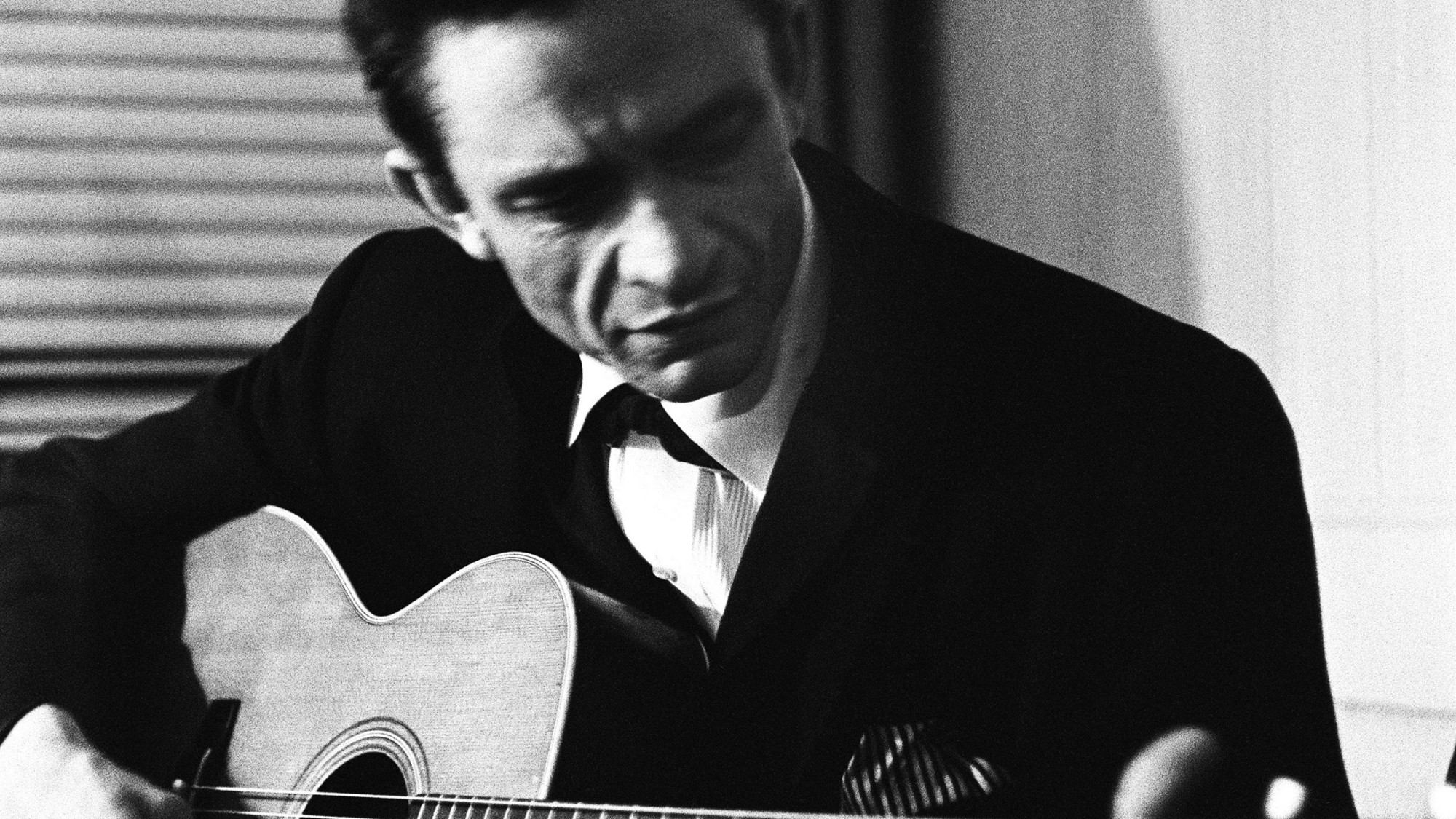
“Folsom Prison Blues” by Johnny Cash (1968)
Many argue that Johnny Cash wasn’t really an outlaw country singer, including outlaw country singer Waylon Jennings, because he had never served a prison sentence. Though, Cash had spent several nights in prison in his younger years. I don’t entirely agree with that notion, mainly because of this 1968 classic tune.
“Folsom Prison Blues” was originally released in 1955, but it didn’t become a massive hit until it made it to Cash’s 1968 live album, At Folsom Prison. Honestly, I don’t understand how anyone can think Cash wasn’t outlaw country. He recorded a live album at a prison and championed prison reform! Come on!
“Detroit City” by Bobby Bare (1963)
This hit from Bobby Bare definitely doesn’t sound like the outlaw country songs we know and love today. But it was an important precursor to the movement. One of the earliest rebellion songs in the Nashville scene of the 1960s, “Detroit City” features a fairly unique production style that wasn’t in alignment with the polished Nashville sound, leaning more toward pop or “countrypolitan.” The song focuses on the working-class struggle, rife with discrimination. It’s a classic, one that could be seen as a vital precursor to the outlaw country movement.
Photo by Michael Ochs Archives/Getty Images



Leave a Reply
Only members can comment. Become a member. Already a member? Log in.