Your cart is currently empty!



Merle Haggard’s Ode to His Grandmother Was at No. 1 Exactly 3 Years After a Song Inspired by His Mom Was at the Top
Merle Haggard is one of the most celebrated songwriters of his era for a reason. He could pull gems from his life and turn them into stories that listeners around the world could feel in their bones. “Hungry Eyes” and “Grandma Harp” are perfect examples of how those personal songs could hit a wide audience.
Videos by American Songwriter
He released “Hungry Eyes” in 1969 as the lead single from A Portrait of Merle Haggard. It was inspired, in part, by his mother. It reached the top of the Hot Country Songs chart on May 10 of that year.
Haggard penned “Grandma Harp” about his grandmother and released it as a single from Let Me Tell You About a Song in March 1972. It topped the country chart on May 13 and stayed there for two weeks.
Merle Haggard Celebrated Two Important Women in His Life
“Hungry Eyes,” hailed as one of Merle Haggard’s best songs, was inspired by his mom. More specifically, it was a show of appreciation for the sacrifices she made as a single mother during the Great Depression. It was also inspired by the thousands of Okies who traveled to the West Coast seeking work and a fresh start during the Dust Bowl. The song isn’t autobiographical, though. Despite being among the many who migrated to California during the Dust Bowl, the Haggard family never lived in a labor camp.
Haggard’s family’s migration from Oklahoma to California isn’t his only connection to the Okies of the Great Depression. The individuals who left Texas and Oklahoma brought their music with them. That music took root and, decades later, Haggard was among the artists who developed and popularized the Bakersfield Sound. That West Coast answer to Nashville wouldn’t have been possible without the Depression-era migration.
“Grandma Harp” was about Haggard’s maternal grandmother, Martha Frances Arizona Belle Villines Harp. As he says in the lyrics, the song doesn’t share a hidden family legend. Instead, it was a grandson paying tribute to a strong woman who was married for 70 years and “reared a decent family out of poverty.”
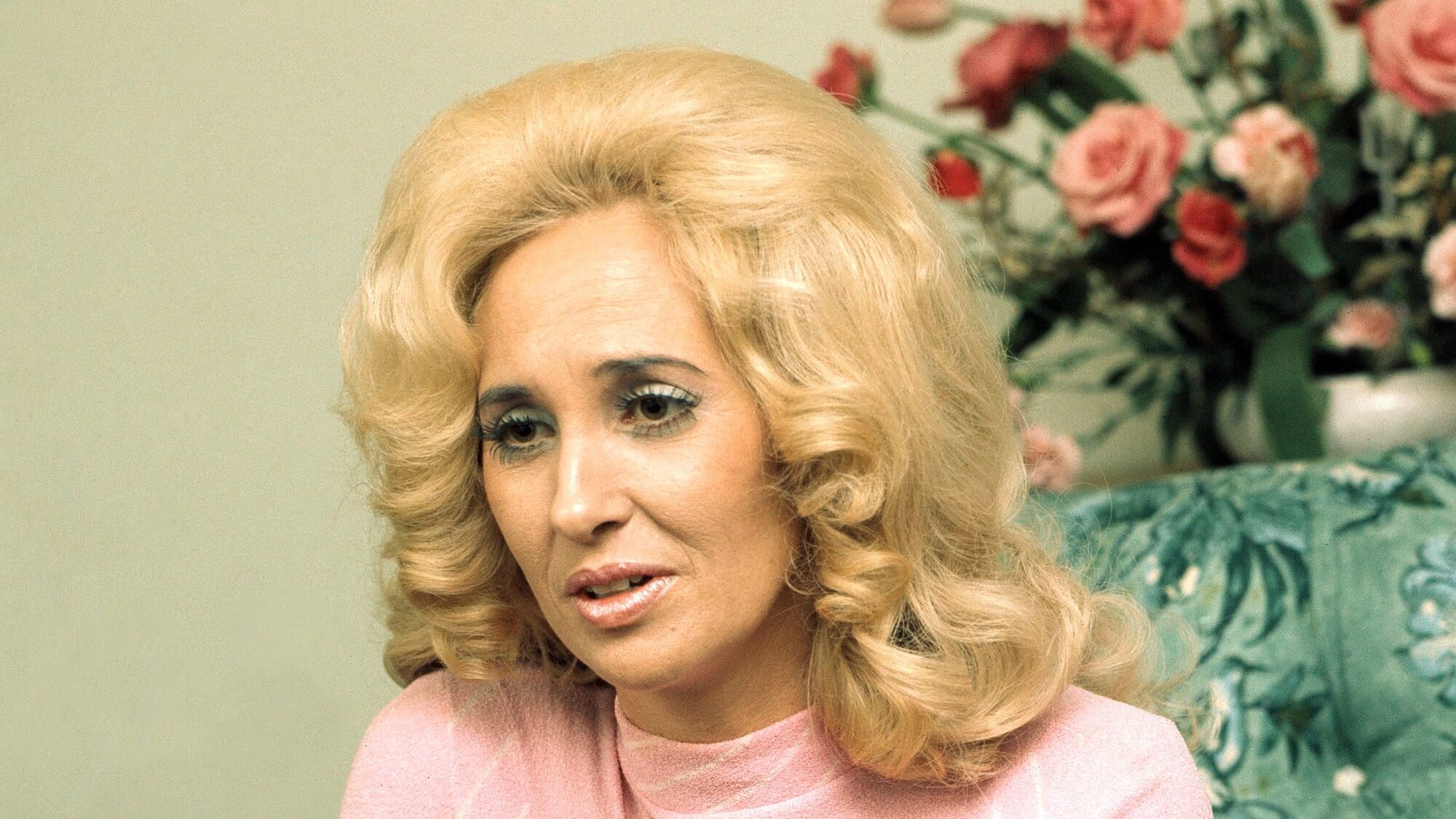
Featured Image by Beth Gwinn/Getty Images



Leave a Reply
Only members can comment. Become a member. Already a member? Log in.