Your cart is currently empty!



Ziggy Marley Goes ‘Off the Record’ With American Songwriter: Episode 13
Ziggy Marley is ready to honor his dad through music. On his new LP, Brightside, Marley included “Many Mourn For Bob,” his first-ever tribute to his late dad, Bob Marley, who died in 1981.
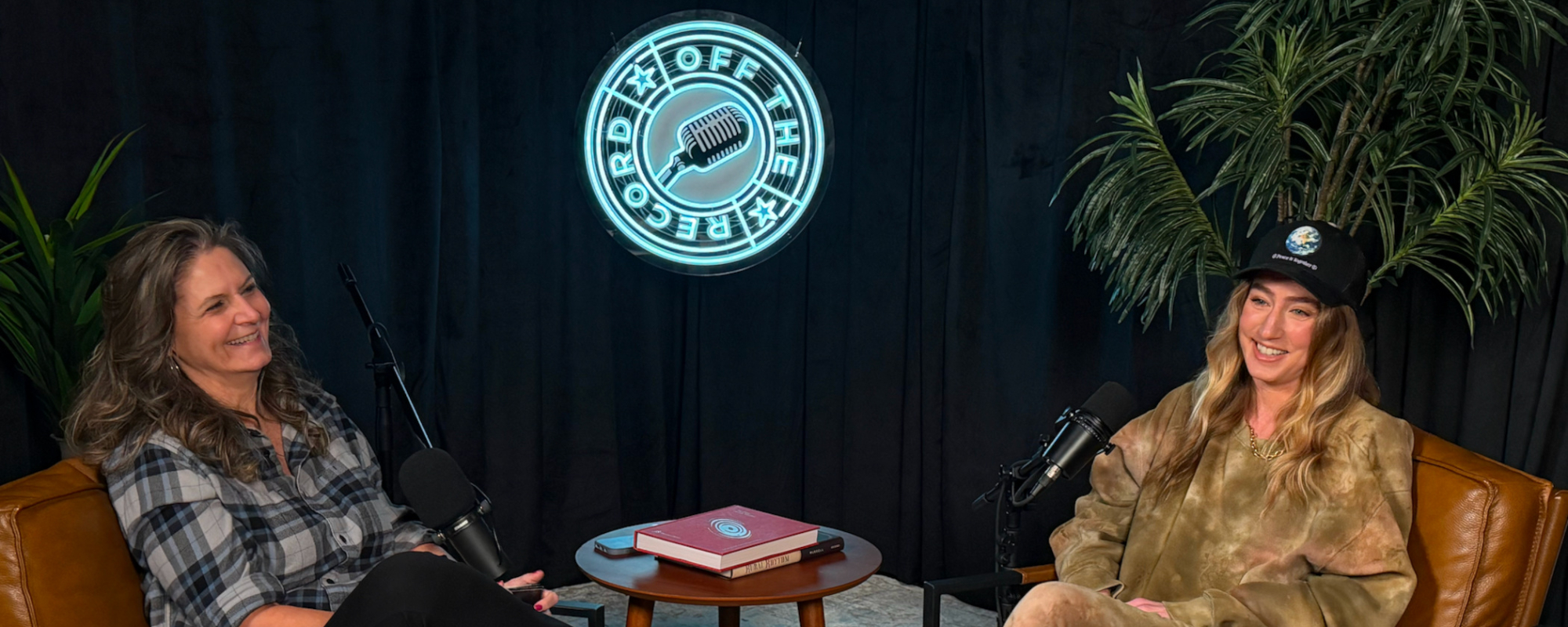
During the latest episode of American Songwriter’s Off the Record podcast, Marley told host Lisa Konicki about the memories and emotions that went into the emotional track.
“I remember the day he passed. I remember the Jamaica service, the people. There was a lot of people mourning, paying tribute,” Marley said. “And then I remember my experience with him, his life, what he went through emotionally and mentally as a person that had to go through a lot in a short period of time that was life-changing.”
Marley got to understand more about his father’s experiences while working on Bob Marley: One Love, the 2024 movie about his life.
“Being on the movie set, we were exploring the emotional side. We were trying to explore the personal side of Bob, not the public side, but the personal side,” he explained. “That even made me dive deeper and think even more about what he went through as a person, not as an artist, but as a human being with weaknesses, and vulnerabilities, and pain, and suffering.”
As a result, Marley said, “I empathize with him. I have a real empathy for what he went through.”
Marley took all of those emotions and poured them into the song, which he intended to speak to his late father’s legacy.
“He was who he was before he was who the world saw him as. He was a people person. That’s what we grew up seeing,” Marley said of his dad. “… He was a good human, with flaws, of course, but he’s a good human being. So that is a legacy.
What to Know About Ziggy Marley’s Brightside
“Many Mourn For Bob” is one of eight tracks that appear on Brightside, which is out now. The LP is full of emotional vulnerability, and, in turn, healing.
“I think there’s a lot of sharing. There’s a lot of vulnerability too. Vulnerability is in there. My emotional health, my mental health is in there,” Marley said. “I’m sharing because, to tell you the truth, I made this album for myself. It was never like, ‘Let me make this album for the world.’ It was like, ‘This music was for me.’ It was for me.”
Being candid and raw in his music is something that came easily to him, Marley said.
“It feels good to me,” he said of being honest in his work. “I feel like I’m a little sneaky with it too, though. I’m still kind of shy… In my writing, sometimes I hide stuff, but it’s there.”
That process wasn’t a fast one. Marley said that he “didn’t want to rush” the creative process, despite the fact that years had passed since his last LP.
“I’ve been writing songs all that time, and thinking about things, and putting on the seeds that now became trees,” he said. “We’re always planting the seeds, but when it’s time for them to become a tree, they become a tree. You can’t force it.”
When the songs were written and it came time to record the music, Marley did so using 432Hz instead of the standard 440Hz. Marley’s chosen sonic frequency is a soothing one, which is regularly employed for meditation and other mindful practices.
The unique recording decision was made, Marley said, in an effort to do “something different than what everybody else is doing.”
“The frequency that we listen to things, that affects us. It really does affect us,” he said. “… If we all change the frequency that they’re playing music at, it’s going to change the world too… Let’s have a worldwide frequency change.”






Leave a Reply
Only members can comment. Become a member. Already a member? Log in.